


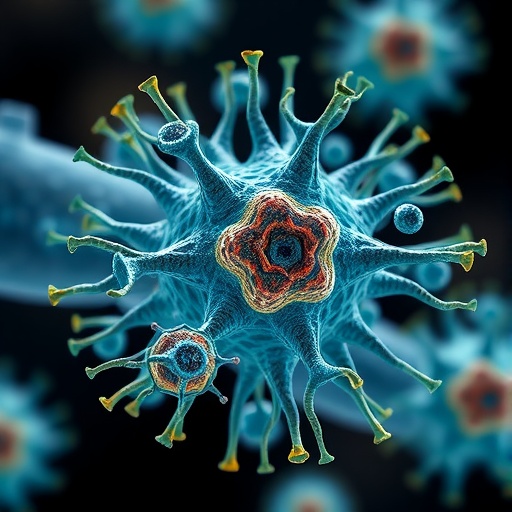
Organoid technology stands as a revolutionary advance in biomedical research, fundamentally transforming our approach to disease modeling, drug development, and personalized medicine. Since the pioneering work of the Hans Clevers laboratory in 2009, which created the first intestinal organoid, these miniature, three-dimensional tissue structures grown from stem cells have offered unprecedented ability to replicate human organ function in vitro. As the field has rapidly progressed over the past decade and a half, organoids derived from pluripotent and adult stem cells have been successfully developed for a wide array of human and animal tissues, each with unique structural and functional properties closely mirroring their in vivo counterparts.
The initial breakthrough in 2009 laid the groundwork for a deluge of organoid innovations, including the generation of retinal organoids from embryonic stem cells by 2011, and subsequent cultivation of brain, liver, kidney, and pancreatic organoids by 2013. Each of these bioengineered mini-organs has provided invaluable insights into developmental biology and disease pathogenesis. By 2014 and 2015, the technological repertoire expanded further to include prostate, lung, mammary gland, fallopian tube, and hippocampal organoids. Notably, recent landmark achievements such as the successful culture of snake venom gland organoids in 2020 and chondrosarcoma organoids in 2021 highlight the widening scope of organoid applications, pushing boundaries from regenerative research to oncology.
One of the most compelling advantages of organoid systems lies in their ability to condense the complexity of whole organisms into manageable, experimentally tractable models. This complexity reduction is pivotal in drug discovery, where the exorbitant cost and protracted timelines of traditional new drug development have long posed formidable barriers. Organoids’ enhanced clinical relevance and shorter experimental cycles offer a bridge between simplistic cell culture assays and costly animal models. This has incited regulatory bodies globally to embrace these models, as exemplified by the U.S. FDA’s pioneering Tissue Chip Drug Screening Program launched in 2010. This initiative sought to develop organ-mimicking chips that provide higher fidelity drug screening assays, aiming to refine and reduce animal use while streamlining the drug pipeline.
The landscape of drug regulation itself is evolving to accommodate these transformative technologies. The FDA Modernization Act 2.0 has decisively allowed drug developers to employ alternative preclinical testing methods including organoids, obviating mandatory animal studies where suitable. This regulatory shift affirms the scientific rigor and translational potential of organoid and organ-on-a-chip platforms. Concurrently, the European Medicines Agency’s Guideline on the Regulatory Acceptance of 3Rs (Replacement, Reduction, Refinement) approaches acknowledges organoid technology as part of the regulatory pathway, enhancing overall acceptance in drug assessment frameworks. Reflecting a global trend, China’s National Medical Products Administration recently issued guidelines emphasizing the utilization of biomimetic tissue models and organoids, especially regarding rare disease drug development where data scarcity necessitates multi-dimensional, model-informed strategies.
Clinical translation leveraging organoid platforms has already borne fruit in the pharmaceutical industry. An unprecedented milestone occurred in 2022 when FDA approved the clinical trial of SAR445088, a new drug developed by Sanofi in collaboration with Hesperos using exclusively organoid-on-a-chip derived preclinical data. This landmark validated the predictive capacity of these models in actual drug candidate progression. That same year saw Beijing Xunsheng Biomedical obtain clinical trial approval for AVL-201 through an organoid high-throughput platform. Following this wave, 2023 witnessed multiple organoid-informed drugs enter the clinical pipeline, including Merus’ MCLA-158 undergoing Phase 2 trials after discovery through human organoid biobank screening, alongside novel agents from Hengrui Medicine, Beijing ArtMia Cure Pharmaceutical, and Qilu Pharmaceutical. The horizon for organoid-supported therapies expanded further in 2024 with approval of GC203, a gene-modified tumor-infiltrating lymphocyte product developed on an organoid immune co-culture platform, exemplifying the versatility of organoids beyond small molecules toward cell-based therapeutics.
The intrinsic utility of organoids extends into personalized medicine where patient-derived models serve as personalized avatars for drug response profiling. This capability heralds a new era in tailoring treatments to individual genetic and phenotypic backgrounds, effectively circumventing the “one size fits all” paradigm. On a broader scale, organoids also provide critical insights into regenerative pathways, given their self-organizing and differentiation capacities, fueling innovations in tissue engineering. Moreover, as infectious diseases surge in global prevalence and diversity, organoids offer unique platforms for rapid anti-infective drug screening and pathogenesis research, addressing urgent public health needs with high fidelity human tissue models.
Despite their remarkable promise, organoid technology faces substantial hurdles. Standardization of culture methods remains a challenge, as reproducibility across laboratories and scalability for industrial application require consistent protocols and quality control benchmarks. Additionally, the complexity intrinsic to creating organoids that fully recapitulate organ microenvironments—including vasculature, immune components, and stromal interactions—necessitates ongoing technological refinement. Ethical considerations around the manipulation and potential consciousness of brain organoids require thoughtful regulatory discourse to guide responsible research trajectories.
In sum, organoids embody a paradigm shift in biomedical research and drug development. Supported by progressive regulations and robust technological advances, they provide superior predictive value in preclinical modeling, accelerate the drug discovery timeline, reduce reliance on animal models, and enable personalized therapeutic strategies. As the science matures, organoids promise to unlock new frontiers in understanding human biology, expediting the delivery of safer and more effective treatments while lowering expenditures across healthcare systems. The upcoming years will be pivotal in overcoming current technical and clinical limitations, ultimately realizing the full transformative potential of this dynamic technology.
News Publication Date: 17-Mar-2026
Web References:
https://journals.lww.com/cmj/fulltext/9900/organoid_models__regulations_and_prospects_for_the.1981.aspx
http://dx.doi.org/10.1097/CM9.0000000000004067
References:
DOI: 10.1097/CM9.0000000000004067
Cite Scienmag News
Gregory Coleman. (May 8, 2026). Advancing Drug Development: Chinese Medical Journal Reviews Organoid Models in New Drug Regulation. Scienmag. https://scienmag.com/advancing-drug-development-chinese-medical-journal-reviews-organoid-models-in-new-drug-regulation/
Gregory Coleman. "Advancing Drug Development: Chinese Medical Journal Reviews Organoid Models in New Drug Regulation." Scienmag, 8 May 2026, https://scienmag.com/advancing-drug-development-chinese-medical-journal-reviews-organoid-models-in-new-drug-regulation/. Accessed 3 September 2026.
Gregory Coleman. "Advancing Drug Development: Chinese Medical Journal Reviews Organoid Models in New Drug Regulation." Scienmag. May 8, 2026. https://scienmag.com/advancing-drug-development-chinese-medical-journal-reviews-organoid-models-in-new-drug-regulation/


