


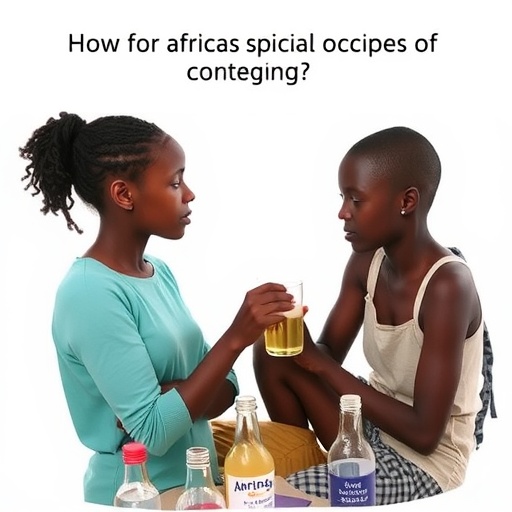
In a groundbreaking cross-continental study that probes the intricacies of adolescent health behaviours, researchers have unveiled compelling data on alcohol use among youth in eight sub-Saharan African countries. This extensive analysis, extracted from the Global School-based Student Health Survey conducted between 2012 and 2017, illuminates the multifaceted web of factors influencing alcohol consumption among adolescents and raises urgent implications for public health strategies in the region.
Alcohol use during adolescence has long been recognised as a complex public health crisis, with profound physical, mental, and social ramifications. The study synthesises data from over 16,000 young individuals, revealing a nuanced panorama of alcohol-related behaviours ranging from current use to episodes of drunkenness and resultant problems. Notably, the overall prevalence of current alcohol consumption was 12.56%, with 8.32% reporting episodes of drunkenness and approximately 4.74% experiencing alcohol-related complications.
Diving deeper into geographical disparities, the research starkly outlines how the prevalence of alcohol use varies dramatically across different nations. Seychelles emerged as a hotspot, reporting an alarmingly high 47.21% prevalence of current alcohol use and 42.17% for lifetime drunkenness, figures that far exceed the continental average. On the opposite spectrum, Tanzania exhibited the lowest rates, with just 2.89% of adolescents consuming alcohol and an even lower 1.41% having been drunk.
Alcohol-related problems, encompassing social and health complications resultant from consumption, were predominantly concentrated in Namibia, with a staggering 13.76% of adolescents affected. Tanzania again recorded the lowest incidence at 1.89%, underscoring stark country-level variations that necessitate targeted policy responses adapted to local contexts.
The study’s analytical framework employed rigorous statistical methodologies including chi-square tests and multivariate logistic regression analyses, ensuring robust identification of the factors that predispose adolescents to alcohol use. Beyond mere prevalence, the researchers dissect the socio-ecological determinants contributing to this public health challenge.
Demographic and psychological risk factors stood out prominently. Male adolescents and older teens aged 15 to 18 demonstrated significantly higher risks of engaging in alcohol consumption and experiencing related issues. This finding aligns with global epidemiological patterns but underscores the pressing need for gender- and age-specific intervention approaches within the SSA context.
Mental health emerged as a critical correlate, with challenges such as anxiety, loneliness, and suicidal behaviours strongly associated with heightened alcohol use. The bidirectional interplay between mental distress and substance use amplifies the risks faced by vulnerable youths, highlighting the importance of integrated mental health and substance abuse programs in schools.
Psychosocial contributors, including truancy, bullying, physical fighting, and experiences of physical attacks, further compounded the susceptibility to alcohol use. Particularly compelling was the association between a lack of close friendships, experiences of hunger, and substance use behaviours such as cigarette and marijuana use, all of which deepen the adolescent’s vulnerability to alcohol consumption.
Conversely, the study sheds light on protective factors inherent within adolescents’ support systems. Peer support and positive parenting emerged as crucial buffers against alcohol use, emphasizing the protective socio-ecological layers that can be leveraged in public health interventions. These findings resonate with socio-ecological theory, suggesting that multifaceted interventions involving families, peer groups, and the community can effectively mitigate risk.
This comprehensive dataset thus elucidates a multilayered interaction of individual, interpersonal, and societal factors that shape adolescent drinking behaviours in sub-Saharan Africa. Recognising these layers enables the formulation of nuanced, culturally sensitive, and contextually relevant prevention strategies that extend beyond simplistic approaches.
In light of the marked country-level variations and multifactorial risks identified, the study advocates for school-based public health programs explicitly tailored to the SSA adolescent population. Such interventions should integrate mental health support, foster positive peer and family relationships, and address wider social and economic determinants of health including food security.
Critically, the findings underscore that addressing adolescent alcohol use requires an overarching socio-ecological lens, highlighting not only risk factors but also pathways to resilience. Policymakers, educators, and health professionals must collaborate to embed these insights into frameworks that can dynamically respond to the evolving challenges faced by youth in diverse African settings.
As the global community grapples with the persistent burden of adolescent substance use, this research contributes a valuable evidence base illuminating the SSA experience. Its longitudinal, multi-country perspective combined with sophisticated analytic rigor paves the way for next-generation interventions that hold the promise of fostering healthier, more resilient future generations.
Ultimately, these revelations about adolescent alcohol use compel urgent action. They demand that stakeholders transcend one-size-fits-all solutions, instead crafting interventions acutely attuned to local realities while addressing the complex interplay of psychosocial and environmental determinants. The stakes are high, but armed with data-driven insights, the path toward impactful change becomes clearer than ever.
Cite Scienmag News
Glenn Wilkins. (November 12, 2025). Adolescent Alcohol Use in Africa: Socio-Ecological Insights. Scienmag. https://scienmag.com/adolescent-alcohol-use-in-africa-socio-ecological-insights/
Glenn Wilkins. "Adolescent Alcohol Use in Africa: Socio-Ecological Insights." Scienmag, 12 November 2025, https://scienmag.com/adolescent-alcohol-use-in-africa-socio-ecological-insights/. Accessed 3 September 2026.
Glenn Wilkins. "Adolescent Alcohol Use in Africa: Socio-Ecological Insights." Scienmag. November 12, 2025. https://scienmag.com/adolescent-alcohol-use-in-africa-socio-ecological-insights/


