


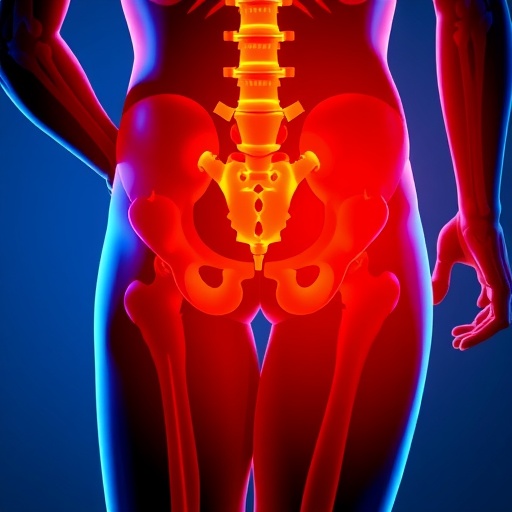
In the rapidly evolving field of geriatric orthopedics, the recent retrospective study by Wu, C., Wu, B., Kang, Z., and colleagues offers groundbreaking insights into the role of adjunctive self-care interventions for older adults undergoing total hip arthroplasty (THA). Published in BMC Geriatrics in 2026, this investigation meticulously analyzes the synergistic effects of personalized self-care on postoperative recovery, functional outcomes, and overall quality of life in an aging population frequently challenged by comorbidities and frailty.
Total hip arthroplasty, a crucial surgical intervention designed to alleviate pain and restore mobility in patients with debilitating hip joint conditions, has surged in prevalence due to increasing life expectancies worldwide. Despite advancements in surgical techniques and perioperative management, older patients often face protracted rehabilitation periods with variable functional gains. This variability underscores an urgent need to supplement conventional postoperative protocols with evidence-based strategies capable of optimizing patient engagement and physiological resilience.
The concept of add-on self-care integrates tailored activities and lifestyle modifications that patients perform autonomously, potentially enhancing healing trajectories and mitigating complications. Wu and colleagues’ study comprehensively details the implementation of such interventions, encompassing guided exercises, nutritional adjustments, pain self-management techniques, and psychological support mechanisms. By retrospectively examining patient records and outcome measures, the authors build a compelling case for the profound impact of these personalized modalities in fostering holistic recovery.
Key to this study’s methodology was a robust patient cohort characterized by advanced age, diverse comorbidity profiles, and varying degrees of baseline physical function. The researchers employed standardized assessment tools to quantify postoperative pain, joint mobility, muscle strength, and patient-reported quality of life indices. Such rigorous data collection facilitated a nuanced understanding of how self-care engagement correlated with long-term improvements, surpassing the benefits achieved through standard physiotherapy and medication alone.
One of the standout revelations from the study lies in the enhanced restoration of functional independence observed in patients who adhered to the structured self-care regimen. This subgroup manifested accelerated gains in balance, gait stability, and stair-climbing ability, all critical parameters that determine one’s capacity to resume daily activities and reduce fall risk. Moreover, the psychological dimension of recovery was notably positive, with participants reporting diminished anxiety and elevated confidence levels, underscoring the interdependence of mental well-being and physical rehabilitation.
Biologically, the influence of self-care on systemic inflammation and muscle atrophy—the twin hurdles complicating postoperative convalescence in elderly patients—was compelling. The study suggests that self-care behaviors such as regular low-impact exercise and nutritional optimization may attenuate inflammatory cytokine levels and preserve muscle mass, thereby modulating the adverse catabolic processes that otherwise prolong disability. These insights implicate self-care not merely as supportive adjuncts but as integral therapeutics altering the molecular landscape of recovery.
Pain management emerges as another critical facet enhanced through self-administered care techniques highlighted in the research. Patients utilizing mindfulness practices, controlled breathing, and adaptive positioning reported lower opioid consumption and reduced incidence of chronic pain syndromes. This data aligns with burgeoning literature advocating for multimodal pain control paradigms, particularly crucial in geriatric populations vulnerable to medication side effects and dependency.
Technological integration also featured prominently, with digital platforms facilitating remote monitoring, personalized feedback, and motivational reinforcement. This innovation addresses common barriers to rehabilitation adherence such as geographic isolation, diminished therapist availability, and fluctuating motivation. The study’s findings advocate for the incorporation of telehealth solutions to empower self-care and extend professional oversight beyond traditional clinical settings.
Furthermore, the retrospective nature of the study allowed for extended follow-up durations, yielding valuable insights into the sustainability of functional improvements and quality-of-life benefits linked to add-on self-care. Such longitudinal perspectives emphasize that self-care is not a transient intervention but a lifelong commitment crucial for maintaining musculoskeletal health and preventing secondary complications after THA.
Nevertheless, the authors acknowledge limitations inherent in retrospective designs, including potential selection biases and reliance on self-reported adherence data. These caveats underscore the need for prospective randomized controlled trials to definitively establish causality and optimize intervention protocols tailored to individual patient phenotypes.
Clinically, the study beckons orthopedic surgeons, physiotherapists, and geriatric care teams to reimagine postoperative care pathways by prioritizing patient education and empowerment. By fostering a culture of proactive self-management, health systems may reduce rehospitalization rates, expedite functional recovery, and ultimately enhance the independence and dignity of older adults recovering from major joint surgery.
The broader implications extend into public health domains, suggesting that widespread adoption of add-on self-care strategies could alleviate the burgeoning economic burden of geriatric disability. As global demographics shift toward an older populace, scalable models enabling personalized self-care emerge as essential components of sustainable healthcare infrastructure.
In synthesis, Wu et al.’s seminal work delineates a transformative paradigm in post-THA rehabilitation, illustrating that add-on self-care transcends supportive roles to become a central pillar in optimizing surgical outcomes for older patients. The integration of biomechanical, psychological, and technological dimensions articulates a comprehensive framework poised to redefine recovery trajectories and elevate standards of geriatric orthopedic care.
Future research inspired by these findings may delve into mechanistic explorations of molecular mediators modulated by self-care activities while refining behavioral interventions with precision medicine approaches. Translation of this evidence into clinical guidelines could catalyze paradigm shifts, fostering recovery environments where older patients actively contribute to their healing journeys.
Given the aging global population and the increasing necessity for joint replacement surgeries, the incorporation of add-on self-care protocols represents a timely innovation with the potential for profound multidimensional impact. Wu and colleagues have illuminated a path forward—one that champions patient agency and interdisciplinary collaboration in forging resilient, adaptive, and patient-centered rehabilitation models.
Their pioneering study stands as a testimonial to the power of hybrid care strategies that unite surgical excellence with empowered, informed self-care to sustain mobility, independence, and quality of life amidst the challenges of aging.
Cite Scienmag News
Ophelia Keating. (February 28, 2026). Add-On Self-Care Boosts Recovery in Hip Surgery. Scienmag. https://scienmag.com/add-on-self-care-boosts-recovery-in-hip-surgery/
Ophelia Keating. "Add-On Self-Care Boosts Recovery in Hip Surgery." Scienmag, 28 February 2026, https://scienmag.com/add-on-self-care-boosts-recovery-in-hip-surgery/. Accessed 3 September 2026.
Ophelia Keating. "Add-On Self-Care Boosts Recovery in Hip Surgery." Scienmag. February 28, 2026. https://scienmag.com/add-on-self-care-boosts-recovery-in-hip-surgery/


