


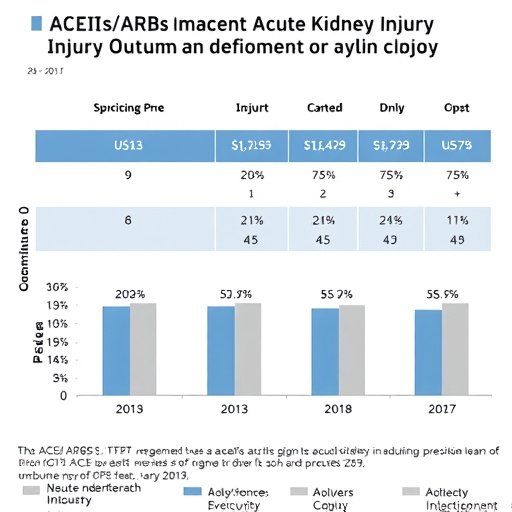
In a groundbreaking multicenter retrospective cohort analysis published in BMC Pharmacology and Toxicology in 2026, researchers Wang, Zhao, Lv, and colleagues have explored the complex relationship between the use of angiotensin-converting enzyme inhibitors (ACEIs) and angiotensin receptor blockers (ARBs) in patients suffering from acute kidney injury (AKI). Their study shines a critical light on how these commonly prescribed cardiovascular drugs influence clinical outcomes in the context of AKI, a condition marked by a sudden decline in renal function with significant morbidity and mortality globally.
Acute kidney injury is a multifaceted syndrome characterized by an abrupt reduction in glomerular filtration rate, leading to an accumulation of metabolic wastes and disturbances in fluid and electrolyte balance. Given the pivotal role of the renin-angiotensin-aldosterone system (RAAS) in blood pressure regulation and renal hemodynamics, ACEIs and ARBs have long been a double-edged sword in patients with renal impairment. This study meticulously analyzed patient data from multiple centers, aiming to clarify whether continuing or initiating these agents during an episode of AKI is beneficial or detrimental.
The authors discussed the physiological mechanisms underlying the dual effects of ACEIs and ARBs on kidney function. By inhibiting the conversion of angiotensin I to angiotensin II or blocking angiotensin II receptors, these drugs reduce systemic vascular resistance and lower glomerular capillary pressure. While these effects confer cardiovascular protection and reduce proteinuria, they may also impair the kidney’s ability to autoregulate and maintain glomerular filtration under stress conditions such as AKI.
What sets this analysis apart is the large sample size derived from multiple centers, encompassing diverse patient populations with various comorbidities including hypertension, diabetes, and chronic kidney disease. The retrospective nature allowed the researchers to capture real-world complex clinical scenarios, comparing outcomes between patients who received ACEI/ARB therapy during AKI episodes and those who did not.
Their findings revealed a nuanced landscape: continuation or initiation of ACEIs/ARBs during AKI was associated with a modest but statistically significant reduction in hospital mortality and the need for renal replacement therapy in certain subgroups, particularly in patients with pre-existing hypertension. Conversely, in patients without such comorbidities, the same therapy sometimes correlated with worse short-term renal outcomes, including delayed recovery of kidney function.
The study also delved into the timing and dosage of these agents relative to the onset of AKI, underlining that therapeutic windows and patient selection critically influenced the risk-benefit balance. Early interruption of ACEIs/ARBs in AKI was not universally protective and, paradoxically, abrupt withdrawal in some patients preceded hemodynamic instability and progression to chronic kidney dysfunction.
Beyond clinical endpoints, the authors examined biomarkers of renal tubular injury and inflammation, integrating molecular data to support their conclusions. The suppression of angiotensin II signaling by ACEIs/ARBs was linked with diminished inflammatory cytokine release and oxidative stress, potentially mediating tissue-protective effects even amidst acute injury.
Experts in nephrology and pharmacology have hailed the study for challenging the dogma of reflexively discontinuing RAAS inhibitors during AKI. Instead, it advocates for a patient-centered approach that weighs cardiovascular risks against renal risks, promoting nuanced clinical decision-making rather than blanket protocols.
Additionally, Wang et al. highlighted gaps in the literature and underscored the need for prospective randomized trials to validate their observational findings. They warned against overgeneralizing their results, emphasizing that individual variability in drug response and underlying renal pathology complicate therapeutic strategies.
In terms of methodology, the researchers applied rigorous statistical adjustments for confounding variables, including propensity score matching and sensitivity analyses, to enhance the robustness of their conclusions. Such methodological rigor strengthens confidence in the observed associations, albeit recognizing inherent limitations of retrospective studies.
The implications of this work extend into healthcare systems, where the burden of AKI is growing with aging populations and expanding chronic disease prevalence. Optimizing the management of ACEIs and ARBs could reduce AKI-related morbidity, improve survival rates, and decrease the need for costly interventions like dialysis.
Moreover, this study opens doors for precision medicine applications in nephrology, where genetic polymorphisms affecting RAAS components and pharmacodynamics might guide personalized prescribing practices. Future research may well unravel biomarkers predictive of benefit or harm from ACEI/ARB therapy in acute renal contexts.
Wang and colleagues’ investigation is particularly timely given the widespread use of ACEIs and ARBs worldwide. Millions of patients with hypertension, heart failure, or diabetic nephropathy rely on these medications, and understanding their intricate impact during AKI episodes is paramount for optimizing safety and efficacy.
The article’s detailed exploration of the interaction between ACEI/ARB therapy and acute renal insult redefines clinical paradigms, encouraging a departure from one-size-fits-all prescriptions toward tailored, evidence-driven interventions. This paradigm shift could revolutionize how nephrologists and intensivists approach AKI management in patients already on RAAS blockers.
In conclusion, this landmark study enhances our grasp of the delicate interplay between cardiovascular medications and acute kidney injury outcomes. By illuminating both protective and potentially adverse effects of ACEIs and ARBs, it lays a scientific foundation for more informed clinical strategies, ultimately aspiring to improve patient prognosis and reduce the global burden of kidney disease.
As this research permeates clinical practice, healthcare providers will be better equipped to balance the complex risks and benefits that ACEI/ARB therapy entails in acute kidney injury, underscoring the continuing evolution of personalized medicine in nephrology.
Cite Scienmag News
Jerry Hayes. (June 13, 2026). ACEIs/ARBs Impact on Acute Kidney Injury Outcomes. Scienmag. https://scienmag.com/aceis-arbs-impact-on-acute-kidney-injury-outcomes/
Jerry Hayes. "ACEIs/ARBs Impact on Acute Kidney Injury Outcomes." Scienmag, 13 June 2026, https://scienmag.com/aceis-arbs-impact-on-acute-kidney-injury-outcomes/. Accessed 3 September 2026.
Jerry Hayes. "ACEIs/ARBs Impact on Acute Kidney Injury Outcomes." Scienmag. June 13, 2026. https://scienmag.com/aceis-arbs-impact-on-acute-kidney-injury-outcomes/


