Thursday, October 29, 2026
Science
No Result
View All Result
  • Login
  • HOME
  • SCIENCE NEWS
  • CONTACT US
  • HOME
  • SCIENCE NEWS
  • CONTACT US
No Result
View All Result
Scienmag
No Result
View All Result
Home Science News Biotechnology

Knocking out three transporters reshapes selenium metabolism in engineered Bacillus subtilis

October 29, 2026
in Biology, Biotechnology
Daisy Hatcher
By Daisy Hatcher Scienmag Editorial Profile - Food Safety and Toxicology
Reading Time: 3 mins read
0
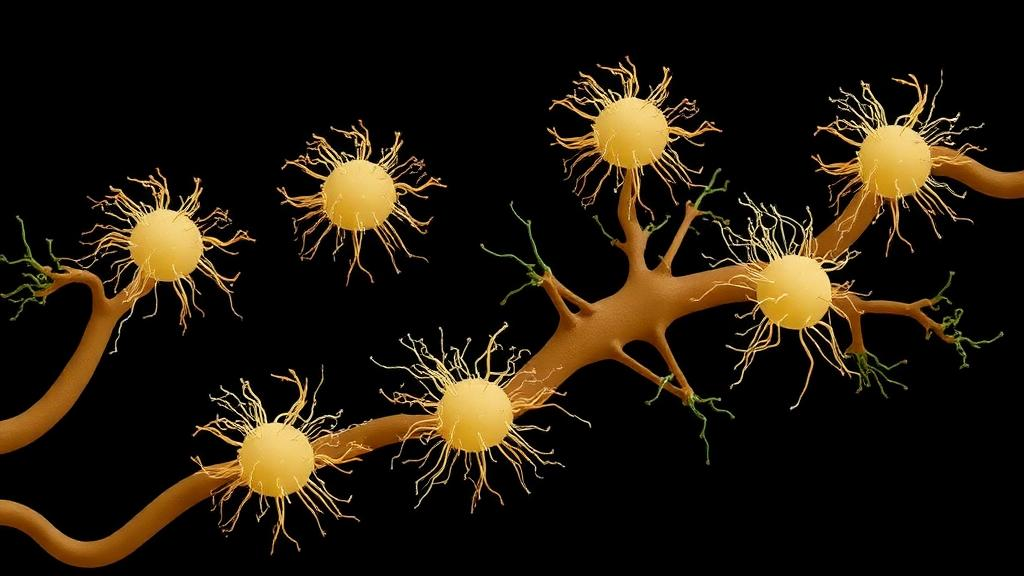
Knocking out three transporters reshapes selenium metabolism in engineered Bacillus subtilis

Knocking out three transporters reshapes selenium metabolism in engineered Bacillus subtilis

65
SHARES
587
VIEWS
Share on FacebookShare on Twitter
ADVERTISEMENT

Seleno-amino acids are valued as organic selenium supplements with potential anti-cancer activity, and the soil bacterium Bacillus subtilis can be engineered to synthesize and secrete one of them, Se-methylselenocysteine (SeMCys). A new study in AMB Express, published on 17 September 2026, set out to answer a basic question that had remained unclear: which proteins actually transport SeMCys in this bacterium.

Because transporters strongly influence amino acid metabolism, the researchers first screened for differentially expressed transporter genes using transcriptome analysis of B. subtilis during SeMCys fermentation. This approach allowed them to identify candidate transporters whose activity might shape how much SeMCys the cells take up and how much the fermentation ultimately produces.

The team then tested three of these transporter-encoding genes, ycgH, ywoD and yrdR, by deleting them from the genome. Knockout of any of the three reduced SeMCys uptake by more than 50 percent, and genetic complementation, in which the deleted gene was restored, brought the uptake capacity back. This pattern supports the conclusion that each of these proteins contributes to moving SeMCys into the cell.

The knockouts also changed the fermentation outcome. Deleting the transporter genes lowered SeMCys yield by at least one quarter while raising the levels of SeMCys inside the cells, a result consistent with the cells losing less of the compound to internal transport dynamics.

Overexpression told the opposite story. When each of the three transporters was individually overproduced, SeMCys production improved, and yrdR overexpression delivered the largest gain, a 53.3 percent rise in titer. This makes yrdR a particularly interesting target for future strain engineering aimed at higher SeMCys output.

An unexpected finding emerged when the transporter genes were knocked out: selenomethionine (SeMet) appeared as a new product during SeMCys fermentation. The study therefore documents not only which proteins move SeMCys but also how removing them redirects selenium metabolism toward a different seleno-amino acid.

Transcript-level data helped explain this shift. Genes belonging to the SeMet biosynthetic pathway showed elevated transcription after transporter knockout, while metK, which is responsible for SeMet consumption, and mccB, which facilitates selenocysteine biosynthesis, were down regulated. Together these changes are consistent with carbon and selenium flux being rerouted toward SeMet accumulation.

The authors describe the work as delivering novel insights into amino acid transportation and selenium metabolism. Because the study was conducted in engineered B. subtilis during fermentation, its findings concern microbial production systems rather than human health outcomes, and the anti-cancer potential of seleno-amino acids remains a subject of ongoing research. Even so, the identification of ycgH, ywoD and yrdR as SeMCys transporters, and the demonstration that their deletion triggers SeMet synthesis, gives metabolic engineers a clearer map of how transporter activity shapes selenium-amino acid profiles in fermenter cultures.

Subject of Research: Identification of SeMCys transporters in Bacillus subtilis and the metabolic effects of their knockout

Article Title: Identification of proteins that transport SeMCys and the SeMet synthesis caused by their knockout

Article References: Zhao, M., Ren, H., Yang, S., Deng, S., Wang, F., & Yin, X. (2026). Identification of proteins that transport SeMCys and the SeMet synthesis caused by their knockout. AMB Express. https://doi.org/10.1186/s13568-026-02121-6

Image Credits: AI Generated

DOI: 10.1186/s13568-026-02121-6

Keywords: Bacillus subtilis, Se-methylselenocysteine, selenomethionine, transporters, metabolic engineering, transcriptomics, fermentation, selenium metabolism, gene knockout, protein overexpression, Identification, proteins

Cite Scienmag News

Daisy Hatcher. (October 29, 2026). Knocking out three transporters reshapes selenium metabolism in engineered Bacillus subtilis. Scienmag. https://scienmag.com/knocking-out-three-transporters-reshapes-selenium-metabolism-in-engineered-bacillus-subtilis/


Daisy Hatcher. "Knocking out three transporters reshapes selenium metabolism in engineered Bacillus subtilis." Scienmag, 29 October 2026, https://scienmag.com/knocking-out-three-transporters-reshapes-selenium-metabolism-in-engineered-bacillus-subtilis/. Accessed 29 October 2026.

Daisy Hatcher. "Knocking out three transporters reshapes selenium metabolism in engineered Bacillus subtilis." Scienmag. October 29, 2026. https://scienmag.com/knocking-out-three-transporters-reshapes-selenium-metabolism-in-engineered-bacillus-subtilis/

Tags: Bacillus subtilisbacterial selenium transporter identification and characterizationeffects of transporter gene deletion onfermentationgene knockoutgenetic engineering for organic selenium supplementsidentificationimpact of transporter knockouts on selenium uptake and yieldmetabolic engineeringmicrobial biosynthesis of selenium-containing amino acidsmodulation of selenium metabolism through transporter manipulationprotein overexpressionproteinsrole of specific transporters ycgH ywoD yrdR in amino acid transportSe-methylselenocysteineselenium metabolismSelenium metabolism in engineered Bacillus subtilisselenomethioninetranscriptome analysis of SeMCys fermentationTranscriptomicstransporter gene deletion effects on Se-methylselenocysteine productiontransporters
Share26Tweet16
Previous Post

Blood–brain barrier permeability varies across brain regions and shifts with age

Next Post

Hexane co-solvent lifts waste cooking oil biodiesel conversion over LaMoO3 perovskite catalyst

Related Posts

Faster Radar or Sharper Optics: Rethinking Satellite Burn-Severity Mapping
Biology

Faster Radar or Sharper Optics: Rethinking Satellite Burn-Severity Mapping

October 29, 2026
Survey Finds Limb Deformities Common in Finnish Dachshunds and Tied to Less Exercise
Biology

Survey Finds Limb Deformities Common in Finnish Dachshunds and Tied to Less Exercise

October 29, 2026
Mitochondrial DNA methylation signals in WGBS are mostly technical artifacts
Biology

Mitochondrial DNA methylation signals in WGBS are mostly technical artifacts

October 29, 2026
Human Stem Cell Fusion Emerges as a Rare but Promising Route to Tissue Repair
Biology

Human Stem Cell Fusion Emerges as a Rare but Promising Route to Tissue Repair

October 29, 2026
Invasive Phragmites reshapes salt marsh soil microbes without changing diversity
Biology

Invasive Phragmites reshapes salt marsh soil microbes without changing diversity

October 29, 2026
Endangered Mexican Pine Held Its Climate Niche for 21,000 Years
Biology

Endangered Mexican Pine Held Its Climate Niche for 21,000 Years

October 29, 2026
Next Post
Hexane co-solvent lifts waste cooking oil biodiesel conversion over LaMoO3 perovskite catalyst

Hexane co-solvent lifts waste cooking oil biodiesel conversion over LaMoO3 perovskite catalyst

  • Mothers who receive childcare support from maternal grandparents show more optimized

    Mothers who receive childcare support from maternal grandparents show more parental warmth, finds NTU Singapore study

    27656 shares
    Share 11059 Tweet 6912
  • University of Seville Breaks 120-Year-Old Mystery, Revises a Key Einstein Concept

    1061 shares
    Share 424 Tweet 265
  • Bee body mass, pathogens and local climate influence heat tolerance

    682 shares
    Share 273 Tweet 171
  • Researchers record first-ever images and data of a shark experiencing a boat strike

    546 shares
    Share 218 Tweet 137
  • Groundbreaking Clinical Trial Reveals Lubiprostone Enhances Kidney Function

    531 shares
    Share 212 Tweet 133
Science

Embark on a thrilling journey of discovery with Scienmag.com—your ultimate source for cutting-edge breakthroughs. Immerse yourself in a world where curiosity knows no limits and tomorrow’s possibilities become today’s reality!

RECENT NEWS

  • New Modified Alkylpolyglucoside Surfactant Boosts Apatite Flotation Recovery
  • Property Crime in Indian Metropolis Clusters Around Hospitals, Markets and Banks
  • Half of Children with Immune Thrombocytopenia Show Zinc Deficiency, Study Finds
  • Short CPR Duration Linked to Better Outcomes With Low-Temperature Management

Categories

  • Agriculture
  • Anthropology
  • Archaeology
  • Athmospheric
  • Biology
  • Biotechnology
  • Blog
  • Bussines
  • Cancer
  • Chemistry
  • Climate
  • Earth Science
  • Editorial Policy
  • Marine
  • Mathematics
  • Medicine
  • Pediatry
  • Policy
  • Psychology & Psychiatry
  • Science Education
  • Science News
  • Social Science
  • Space
  • Technology and Engineering

Subscribe to Blog via Email

Enter your email address to subscribe to this blog and receive notifications of new posts by email.

Join 5,150 other subscribers

© 2025 Scienmag - Science Magazine

Welcome Back!

Login to your account below

Forgotten Password?

Retrieve your password

Please enter your username or email address to reset your password.

Log In
No Result
View All Result
  • HOME
  • SCIENCE NEWS
  • CONTACT US

© 2025 Scienmag - Science Magazine

Discover more from Science

Subscribe now to keep reading and get access to the full archive.

Continue reading