How skin cells make pigment is not written in DNA alone. A new review published in Epigenetics & Chromatin examines how environmental exposures, lifestyle factors and stress can alter pigmentation through epigenetic mechanisms — chemical changes that switch genes on or off without changing the underlying genetic code. The paper, authored by B. S. Swarna, B. Anika, Arshia Tarkunde, Usha Yogendra Nayak, Vijendra Prabhu, Raghavendra Rao and A. S. Bharath Prasad, was published as an open-access review on 27 September 2026.
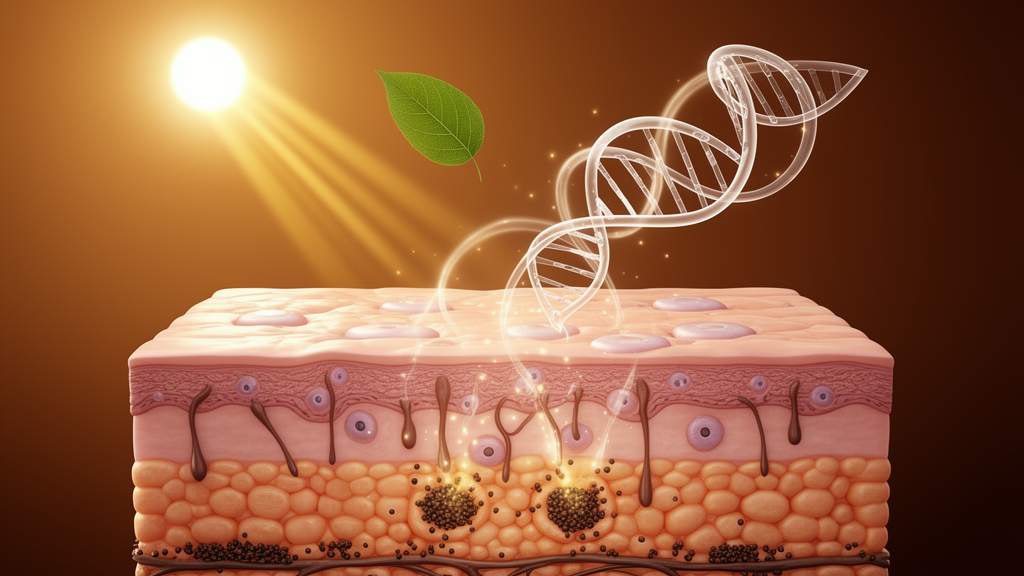
Melanogenesis is the process by which melanocytes, specialized cells in the skin, produce melanin within organelles called melanosomes. The amount of melanin produced matters for health: too much can lead to hyperpigmentation, while too little causes hypopigmentation. The review emphasizes that melanogenesis is controlled by a combination of genetics, environmental factors and epigenetic changes, rather than by genetic sequence alone.
According to the authors, environmental and genetic factors such as ultraviolet radiation, chemical exposure and hormonal changes can trigger several classes of epigenetic modification. These include DNA methylation, histone modifications, regulation by noncoding RNAs, chromatin remodelling and m6A RNA methylation. Together, these mechanisms modulate the expression of genes associated with melanogenesis, changing how much pigment melanocytes produce.
The review synthesizes current evidence on how environmental and lifestyle factors regulate melanogenesis through these epigenetic routes, and highlights recent advances in the field. The authors also discuss the implications of this work for understanding pigmentary disorders and for developing targeted dermatological therapies. Because the article is a review, it aggregates and interprets existing studies rather than presenting new experimental data of its own.
The publisher notes that the article is being shared early to provide faster access to peer-reviewed, accepted research. It is citable and carries a permanent DOI, but this version is subject to further edits and will be replaced automatically by the final Version of Record.
Subject of Research: Epigenetic mechanisms by which environmental and lifestyle factors regulate melanogenesis and pigmentation disorders
Article Title: Epigenetic modulators of melanogenesis: the role of environment, lifestyle, and stress
Article References: Swarna, B. S., Anika, B., Tarkunde, A., Nayak, U. Y., Prabhu, V., Rao, R., & Bharath Prasad, A. S. (2026). Epigenetic modulators of melanogenesis: the role of environment, lifestyle, and stress. Epigenetics & Chromatin. https://doi.org/10.1186/s13072-026-00701-1
Image Credits: AI Generated
DOI: 10.1186/s13072-026-00701-1
Keywords: melanogenesis, epigenetics, melanin, DNA methylation, histone modification, noncoding RNA, chromatin remodelling, pigmentation disorders, hyperpigmentation, hypopigmentation, melanocytes, review
Cite Scienmag News
Juliet Wilcox. (October 28, 2026). Environment, lifestyle and stress shape skin pigmentation through epigenetic changes. Scienmag. https://scienmag.com/environment-lifestyle-and-stress-shape-skin-pigmentation-through-epigenetic-changes/
Juliet Wilcox. "Environment, lifestyle and stress shape skin pigmentation through epigenetic changes." Scienmag, 28 October 2026, https://scienmag.com/environment-lifestyle-and-stress-shape-skin-pigmentation-through-epigenetic-changes/. Accessed 29 October 2026.
Juliet Wilcox. "Environment, lifestyle and stress shape skin pigmentation through epigenetic changes." Scienmag. October 28, 2026. https://scienmag.com/environment-lifestyle-and-stress-shape-skin-pigmentation-through-epigenetic-changes/