


Ets-1 Gene Deficiency Drives Spontaneous Skin Depigmentation in Mouse Model
Knockout of the transcription factor Ets-1 in mice causes spontaneous vitiligo-like depigmentation and significant downregulation of key melanogenesis genes.
Knockout of the transcription factor Ets-1 in mice causes spontaneous vitiligo-like depigmentation and significant downregulation of key melanogenesis genes.

Preclinical findings demonstrate that HMGB1 promotes progressive vitiligo via M1 macrophage polarization, while the inhibitor glycyrrhizin reduces depigmentation in mice.

A retrospective study using multiplex immunohistochemistry reveals highly variable immune cell infiltration in primary mucosal melanoma tumors across different anatomical ...

A perspective analysis demonstrates how flawed consensus processes and the exclusion of diagnostic tools distorted clinical criteria for Vogt-Koyanagi-Harada disease.

A systematic review and network meta-analysis of eight randomized trials reveals that topical ruxolitinib demonstrates superior total body repigmentation in ...

A comprehensive scientific review reveals that while cellular degradation pathways influence melanocyte biology, no clinical evidence proves altering autophagy directly ...

A new review details how transparent, genetically similar zebrafish enable real-time study of melanogenesis and human pigmentation disorders.

A case report documents only the fifth known melanin-pigmented dentigerous cyst, a black, tar-like jaw lesion in a 27-year-old man ...
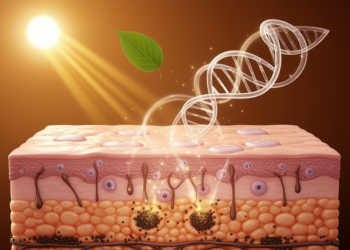
A new review describes how UV radiation, chemical exposure and hormonal changes can alter melanin production through epigenetic mechanisms such ...

A new review finds that four PAX3 mutations behind dominant blue eyes in cats carry sharply different risks of deafness ...


Embark on a thrilling journey of discovery with Scienmag.com—your ultimate source for cutting-edge breakthroughs. Immerse yourself in a world where curiosity knows no limits and tomorrow’s possibilities become today’s reality!