Hypertension affects roughly 1.4 billion adults aged 30 to 79 worldwide, yet only about 21 percent of those affected achieve adequate blood pressure control. A new open-access review published on 1 October 2026 in the journal Collagen and Leather argues that an unlikely raw material — animal collagen recovered from meat, leather and seafood processing by-products — could help close that gap.
The core of the argument is structural. Collagen is the most abundant protein in the animal kingdom, making up roughly 30 percent of total protein mass in mammals, and its signature glycine-proline-hydroxyproline repeat motif creates a triple helix that is both mechanically tough and enzymatically stubborn. Native collagen molecules, weighing 285 to 300 kilodaltons, are largely insoluble and biologically inert. The therapeutic potential only emerges when controlled enzymatic hydrolysis breaks the protein into short fragments — typically 3 to 6 kilodaltons, with over 90 percent of fragments below 10 kilodaltons and about 45 percent below 3 kilodaltons — releasing peptide sequences small enough to be absorbed and potent enough to bind their molecular targets.
The review synthesises 47 characterised peptides from bovine, porcine, poultry and marine sources, with inhibitory concentrations ranging from 4.0 micromolar to above 1000 micromolar. Across this database, the authors identify a consistent conclusion: enzymatic processing parameters, rather than the animal source itself, are the key determinants of bioactivity. Enzyme selection, hydrolysis duration, enzyme-to-substrate ratio and deactivation conditions govern the size distribution and sequence diversity of the resulting peptides, and therefore their potency against angiotensin-converting enzyme, or ACE, the zinc-dependent enzyme that raises blood pressure by producing the vasoconstrictor angiotensin II while simultaneously degrading the vasodilator bradykinin.
Structure-activity analysis reveals clear molecular rules. The most potent ACE inhibitors from collagen hydrolysates span 2 to 12 amino acid residues, with tripeptides to pentapeptides showing particularly favourable characteristics — small enough for intestinal peptide transporters such as PepT1 to recognise, yet large enough for multiple binding interactions in the enzyme’s active site. The C-terminal residue emerges as the single most critical determinant: hydrophobic or aromatic residues such as proline, phenylalanine, tyrosine and tryptophan dramatically enhance binding affinity. The dipeptide VY, for example, inhibits ACE at concentrations as low as 16 micromolar, while the nonapeptide APGAPGPVG achieves comparable potency at 16.2 micromolar. Positively charged C-terminal residues add electrostatic interactions, illustrated by the bovine hexapeptide VLAQYK, which terminates in lysine.
Proline and its hydroxylated cousin hydroxyproline do double duty. Their cyclic structures optimise binding geometry and, crucially, resist peptidases that require free alpha-amino groups — many aminopeptidases simply cannot cleave them. Tripeptides with the pattern X-Hyp-Gly, such as Ala-Hyp-Gly and Leu-Hyp-Gly, survive simulated gastrointestinal digestion almost intact. This stability translates into striking preclinical results: the bovine peptides RGL-(Hyp)-GL and RGM-(Hyp)-GF lowered systolic blood pressure by 31.3 and 38.6 millimetres of mercury, respectively, in spontaneously hypertensive rats after oral administration, with effects persisting beyond eight hours. Bovine peptide fractions produced dose-dependent reductions of roughly 22 millimetres of mercury at doses from 30 to 500 milligrams per kilogram, while a chicken collagen hydrolysate given at 2 grams per kilogram daily for four weeks lowered systolic pressure by about 22 millimetres of mercury in rats with chemically induced, endothelial-damage-driven hypertension.
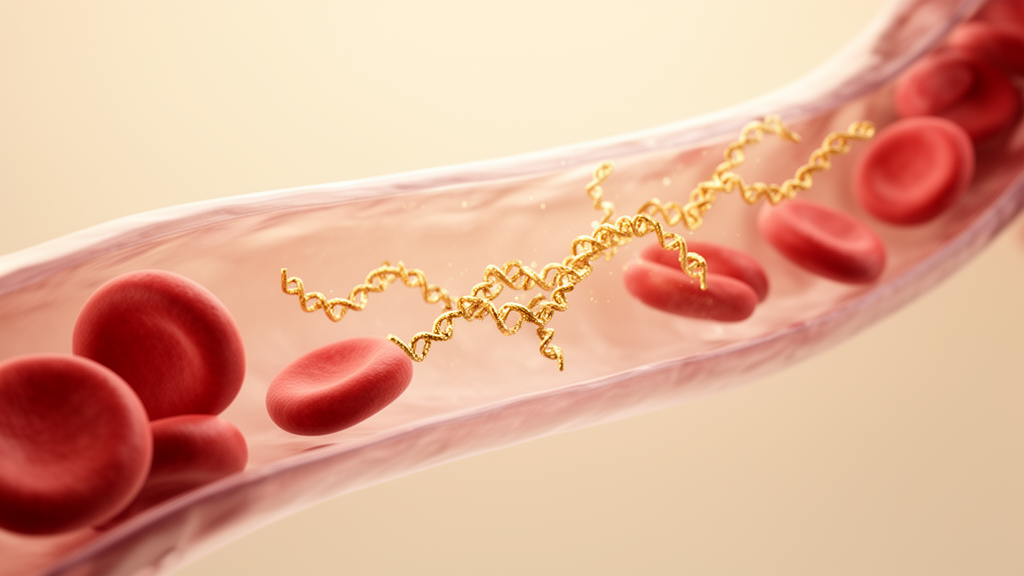
Digestion, counterintuitively, often makes these peptides stronger rather than weaker. Bovine collagen hydrolysate fractions retained more than 90 percent of their ACE inhibitory activity after exposure to pepsin and pancreatin, and some fractions gained activity, reaching 110 to 120 percent of initial values — apparently because digestive enzymes cleave larger precursor sequences into smaller fragments that fit the ACE active site better. Spent hen protein hydrolysate crossed Caco-2 intestinal monolayers with roughly 3.9 percent permeability without damaging the epithelial barrier, and human pharmacokinetic studies have detected intact di- and tripeptides such as Pro-Hyp and Gly-Pro-Hyp in plasma, peaking one to two hours after ingestion with half-lives of one to two hours.
The review also argues that ACE inhibition is only part of the story. Collagen peptides appear to operate through at least six complementary mechanisms: direct radical scavenging by residues such as tyrosine, tryptophan and methionine; upregulation of cellular antioxidant defences including superoxide dismutase and glutathione peroxidase via the Nrf2/ARE pathway; enhanced endothelial nitric oxide production through PI3K/Akt/eNOS and AMPK signalling; suppression of inflammatory adhesion molecules and endothelin-1; restoration of the endothelial glycocalyx; and broader modulation of the renin-angiotensin system, including increased ACE2 expression and elevated angiotensin-(1–7), the protective counterweight to angiotensin II. Chicken collagen hydrolysate reduced blood pressure in hypertensive rats while simultaneously lowering plasma lipid peroxidation, a correlation the authors read as evidence that antioxidant and antihypertensive effects are mechanistically linked.
The human evidence, while modest in magnitude, is consistent. A meta-analysis by Jalili and colleagues pooling twelve randomised controlled trials found a statistically significant systolic blood pressure reduction of 5.04 millimetres of mercury following collagen peptide supplementation — an effect the authors note corresponds to meaningful population-level cardiovascular risk reduction, since each 2 millimetres of mercury is associated with roughly 7 percent lower stroke mortality. Individual trials reinforce the signal: 2.9 grams of collagen tripeptides daily for 12 weeks in 58 people with mild hypertension lowered both systolic and diastolic pressure, reduced arterial stiffness, increased urinary nitric oxide metabolites and cut plasma renin activity by about 30 percent. A trial of a specific collagen octapeptide at 5.2 grams daily for four weeks recorded an 11.8 millimetres of mercury systolic reduction, and 16 grams daily for 12 weeks lowered blood pressure in patients with both type 2 diabetes and hypertension. Importantly, a trial in healthy normotensive volunteers taking 2 grams daily found no blood pressure change, suggesting the peptides correct pathological elevations rather than indiscriminately lowering pressure.
Safety data so far are reassuring but incomplete. Across the reviewed trials, adverse events were mild and gastrointestinal — fullness, bloating or unpleasant taste — affecting fewer than 5 percent of participants in most studies, with no serious adverse events and no reported cases of the dry cough that afflicts 5 to 20 percent of patients on synthetic ACE inhibitors, or the rare but dangerous angioedema seen in 0.1 to 0.2 percent. Preclinical toxicity testing, including a four-week study in hypertensive rats, found no effects on body weight, organ weights, histopathology or clinical chemistry. The longest human intervention lasted six months. The authors flag the major caveats honestly: the meta-analysis showed very high heterogeneity (I² of 98.9 percent), reflecting wildly variable peptide preparations, doses and populations; long-term safety data beyond six months are lacking; and no trial has yet tested whether collagen peptides reduce hard cardiovascular outcomes such as heart attacks or strokes rather than the surrogate endpoint of blood pressure itself.
Those gaps connect to the review’s central practical concern: quality standardisation. Two products labelled simply as collagen hydrolysate can carry vastly different peptide profiles and bioactivities despite similar protein content, because composition depends on source material, enzyme choice and processing conditions. The authors call for specifications covering molecular weight distribution, degree of hydrolysis and functional biomarkers such as in vitro ACE inhibitory activity, supported by liquid chromatography-mass spectrometry fingerprinting for batch-to-batch consistency. They also sketch a research agenda: multi-year event-driven trials with at least 500 participants per arm, genetic stratification by ACE genotype to identify responders, artificial intelligence tools for predicting peptide potency from sequence, and unconventional sources from black soldier fly collagen to invasive lionfish. Until that infrastructure exists, the review positions collagen peptides as a candidate adjunct for mild to moderate hypertension — derived from waste streams the food industry already produces, and validated so far by short trials, animal models and a consistent mechanistic story rather than by outcome evidence.
Subject of Research: Collagen-derived bioactive peptides as antihypertensive functional food ingredients
Article Title: Animal collagen as a source of antihypertensive bioactive peptides: production technologies, structural characteristics, and molecular mechanisms
Article References: Laosam, P., Purba, R. A. P., Katemala, S., Suwanangul, S., Aenglong, C., Pongsamai, N., Yue, Y., Pinyo, J., & Sangsawad, P. (2026). Animal collagen as a source of antihypertensive bioactive peptides: production technologies, structural characteristics, and molecular mechanisms. Collagen and Leather, 8(1), Article 38. https://doi.org/10.1186/s42825-026-00265-6
Image Credits: AI Generated
DOI: 10.1186/s42825-026-00265-6
Keywords: collagen peptides, hypertension, ACE inhibition, bioactive peptides, functional foods, renin-angiotensin system, enzymatic hydrolysis, blood pressure, food by-products, clinical trials, endothelial function, hydroxyproline
Cite Scienmag News
Denise Maddox. (October 28, 2026). Collagen peptides from food waste show real blood pressure-lowering potential. Scienmag. https://scienmag.com/collagen-peptides-from-food-waste-show-real-blood-pressure-lowering-potential/
Denise Maddox. "Collagen peptides from food waste show real blood pressure-lowering potential." Scienmag, 28 October 2026, https://scienmag.com/collagen-peptides-from-food-waste-show-real-blood-pressure-lowering-potential/. Accessed 28 October 2026.
Denise Maddox. "Collagen peptides from food waste show real blood pressure-lowering potential." Scienmag. October 28, 2026. https://scienmag.com/collagen-peptides-from-food-waste-show-real-blood-pressure-lowering-potential/