


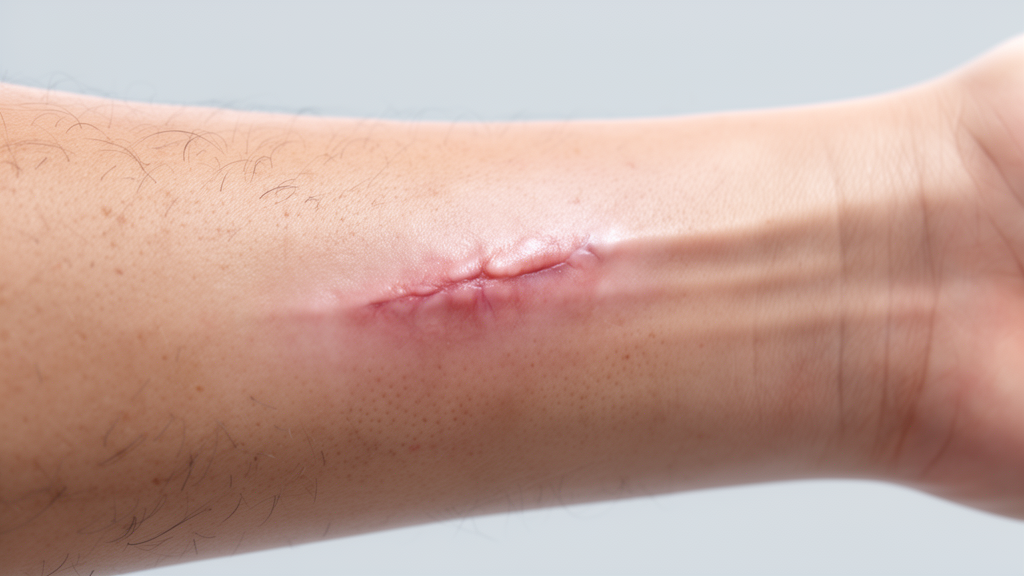
A systematic review and meta-analysis published in Frontiers in Medicine reports that combining intralesional corticosteroids with other treatments is associated with higher odds of clinical improvement and lower recurrence rates for keloids compared to corticosteroid monotherapy alone. The study, conducted by researchers from Alfaisal University and other institutions in Saudi Arabia and Kuwait, synthesized data from twenty clinical studies to evaluate the comparative efficacy and safety of these management strategies. While the pooled analysis favored combination therapies across several key outcomes, the authors emphasize that the evidence does not universally favor combination treatments over monotherapy due to significant heterogeneity and methodological limitations.
The findings suggest that adjunctive therapies may offer additional benefits for symptom relief and scar reduction, but the optimal regimen remains uncertain and requires further investigation. The research team searched PubMed, Scopus, and Web of Science databases to identify relevant studies published from inception until May 2026. After screening, twenty studies met the inclusion criteria, comprising fifteen randomized controlled trials, two non-randomized controlled trials, and three observational cohort studies.
The investigators focused on patients with keloids who received intralesional corticosteroids either alone or in combination with other interventions. These adjunctive therapies included 5-fluorouracil, verapamil, botulinum toxin, cryotherapy, laser therapy, and surgical excision. By pooling data from these varied study designs, the authors aimed to clarify the comparative benefits of combination therapy, a question that has remained incompletely characterized due to fragmented evidence across individual treatment modalities.
The primary analysis revealed a statistically significant association between combination therapy and higher odds of clinical improvement compared to intralesional corticosteroid monotherapy. The pooled odds ratio was 2.71, with a 95% confidence interval of 1.8 to 4.09, indicating a strong association with a favorable treatment response. This improvement was observed across various clinical signs, including pain, itching, pigmentation, and the height or thickness of the keloid.
For instance, the mean difference in pain reduction favored combination therapy, with a value of 0.67 and a p-value of 0.0009. Similarly, improvements in itching and pigmentation were more pronounced in the combination groups, suggesting that adjunctive therapies may address multiple aspects of keloid pathology simultaneously, although the certainty of evidence for these specific symptoms was rated as low. Further statistical analysis demonstrated that combination therapy was associated with greater improvements in validated scar assessment scores.
The meta-analysis found that patients in combination therapy groups experienced significantly greater changes in VSS scores, with a mean difference of 1.07, and better improvements in POSAS scores, with a mean difference of 8.02, compared to those receiving corticosteroids alone. These findings suggest that combination approaches may not only reduce the physical size of the keloid but also enhance the overall aesthetic and functional outcome, which is a critical consideration for patients seeking treatment for disfiguring scars. However, the certainty of evidence for these score-based outcomes was rated as low due to the limited number of contributing studies and risk of bias.
Importantly, the study also examined the safety profile of combination therapies, a key concern given the known side effects of intralesional corticosteroids, such as skin atrophy and telangiectasias. The results indicated that combination therapy was associated with a lower incidence of adverse events compared to monotherapy. The pooled odds ratio for adverse events was 0.36, with a 95% confidence interval of 0.26 to 0.49, suggesting a substantial association with reduced complications when corticosteroids were used in conjunction with other agents.
This finding is particularly relevant for treatments like 5-fluorouracil and platelet-rich plasma, which were specifically noted to have favorable safety profiles in the subgroup analyses. Subgroup analyses provided deeper insights into the specific adjunctive therapies that contributed to these benefits. Among the various combinations evaluated, the pairing of intralesional corticosteroids with 5-fluorouracil demonstrated the most consistent evidence of benefit across multiple outcomes.
5-fluorouracil is a pyrimidine antimetabolite that inhibits fibroblast activity and collagen synthesis, mechanisms that are central to keloid formation. The meta-analysis found that this combination was particularly effective in reducing keloid height and improving clinical efficacy. Other combinations, such as corticosteroids with surgical excision or platelet-rich plasma, also showed favorable trends in certain outcomes, although the evidence for these modalities was less robust due to the limited number of contributing studies.
The heterogeneity among the included studies, reflected in high I-squared values for some outcomes, underscores the variability in treatment protocols and patient populations across the different trials. The authors emphasized that the certainty of evidence for the observed benefits ranged from low to moderate according to the GRADE framework. No outcome was rated as high-certainty evidence, primarily due to the risk of bias in some studies, the inclusion of mixed study designs, and the limited treatment-specific evidence available for several adjunctive therapies.
For example, the evidence for pain and itching improvement was rated as low, while the evidence for clinical improvement and recurrence was rated as moderate. These ratings highlight the need for cautious interpretation of the findings and suggest that further research is required to establish the comparative effectiveness of specific combination regimens. The substantial heterogeneity observed in the meta-analysis also limits the generalizability of the pooled estimates, as variations in corticosteroid dosing, treatment intervals, and follow-up duration may have influenced the results.
Despite these limitations, the study offers valuable insights for clinical practice. The findings support the potential benefit of adding an adjunctive treatment to intralesional corticosteroid therapy, particularly for patients who do not respond adequately to monotherapy or who are at higher risk of adverse effects. The authors noted that 5-fluorouracil-containing regimens may currently represent the most evidence-supported adjunctive strategy among the treatments evaluated.
However, they cautioned that treatment selection should remain individualized, taking into account lesion characteristics, anatomical site, severity, previous treatment response, and the availability of specific therapies. The lack of a universal recommendation for combination therapy reflects the complexity of keloid management and the need for personalized care plans that address the unique needs of each patient. The study also highlights the ongoing challenges in keloid research, including the need for standardized treatment protocols and validated outcome measures.
The authors recommended that future randomized controlled trials should focus on directly comparing individual combination regimens with corticosteroid monotherapy, using standardized doses and treatment intervals to allow for more precise comparisons. Additionally, longer follow-up periods are necessary to reliably assess both treatment response and recurrence, which are critical factors in the long-term management of keloids. By addressing these methodological gaps, future research can provide a clearer understanding of the optimal use of combination therapies and help to develop evidence-based guidelines for keloid management.
In conclusion, this systematic review and meta-analysis provides evidence that combination therapies involving intralesional corticosteroids are associated with greater efficacy and safety compared to corticosteroid monotherapy for the management of keloids. The findings suggest that adding adjunctive treatments such as 5-fluorouracil, surgical excision, or platelet-rich plasma can be associated with enhanced clinical outcomes and reduced risk of adverse events. While the certainty of evidence is limited by heterogeneity and methodological variations, the results offer a basis for the consideration of combination therapy in selected patients.
Subject of Research: Comparative efficacy and safety of intralesional corticosteroid combination therapies versus monotherapy for keloid management
Article Title: Efficacy and safety of intralesional corticosteroids alone or in combination with other treatments for the management of keloids: a systematic review and meta-analysis
Article References: Alshamari, N. A., AlDaej, A., Mallisho, A. Y., Alsudais, R. W., Alhajraf, M. N., Mohammad, D., Al-Turki, A. T., Alshehri, M. A., Alshammari, R. T., & AlBarrak, A. N. (2026). Efficacy and safety of intralesional corticosteroids alone or in combination with other treatments for the management of keloids: a systematic review and meta-analysis. Frontiers in Medicine, 13, 1930913. https://doi.org/10.3389/fmed.2026.1930913
Image Credits: AI Generated
DOI: 10.3389/fmed.2026.1930913
Keywords: keloids, intralesional corticosteroids, combination therapy, dermatology, meta-analysis, 5-fluorouracil, scar treatment, clinical efficacy, safety profile, wound healing, Efficacy, safety
Cite Scienmag News
Ophelia Keating. (October 26, 2026). Meta-Analysis Links Keloid Combination Therapy to Better Outcomes. Scienmag. https://scienmag.com/meta-analysis-links-keloid-combination-therapy-to-better-outcomes/
Ophelia Keating. "Meta-Analysis Links Keloid Combination Therapy to Better Outcomes." Scienmag, 26 October 2026, https://scienmag.com/meta-analysis-links-keloid-combination-therapy-to-better-outcomes/. Accessed 26 October 2026.
Ophelia Keating. "Meta-Analysis Links Keloid Combination Therapy to Better Outcomes." Scienmag. October 26, 2026. https://scienmag.com/meta-analysis-links-keloid-combination-therapy-to-better-outcomes/


