


Arsenic can enter milk and dairy products through water, soil and feed, yet most of the field evidence collected so far measures only total arsenic rather than the inorganic arsenic species that matters most for risk assessment. That gap is the central concern of a critical review published in the journal Environmental Geochemistry and Health, in which researchers synthesise farm-to-consumer evidence to map the water-soil-feed-milk pathways of arsenic, separate species-resolved findings from total-arsenic surveys, and rank feasible monitoring and mitigation options across different production systems.
The review’s authors, Katarzyna Chojnacka, Adrian Gołębiowski and Bogusław Buszewski, report a consistent pattern in the controlled studies they examined: milk total arsenic concentrations stay near or below low microgram-per-kilogram levels even when animals receive higher arsenic intakes. Some field surveys, however, have recorded higher total arsenic in milk under chronic exposure to mixed arsenic sources, and hotspot surveys have flagged individual milk samples with elevated total arsenic. The distinction matters because the review’s whole framework separates total arsenic measurements from species-resolved evidence, and the species-resolved data on inorganic arsenic specifically are the scarcer of the two.
Paired field studies add another layer to the picture. When researchers measure arsenic in livestock drinking water or roughage alongside arsenic in the milk of the same animals, they report associations between the two. Groundwater and high-arsenic roughage can dominate the arsenic inputs entering a dairy chain, making these two routes the most promising targets for upstream control. What the field evidence cannot yet deliver is a species-resolved transfer coefficient: the review notes that water-to-milk transfer coefficients resolved by arsenic species are not yet available, so the link between contaminated inputs and inorganic arsenic specifically in milk remains quantitatively undefined.
To illustrate how exposure could be estimated once species data exist, the authors construct a hypothetical intake scenario. If milk contained 5 micrograms per litre of inorganic arsenic, a 7-kilogram infant consuming 0.6 litres per day would receive approximately 0.43 micrograms per kilogram of body weight per day. The review is explicit that this figure is an illustrative calculation, not a transfer estimate and not a concentration band derived from total-arsenic surveys, and it should not be read as a measured exposure level for any real population.
On the analytical side, the review highlights the role of arsenic speciation methods, which allow laboratories to distinguish inorganic arsenic from organic arsenic compounds and to perform confirmatory verification of inorganic arsenic in milk. Because most existing surveys report only total arsenic, the species-resolved data needed to characterise actual inorganic arsenic exposure remain scarce, and the authors identify this as a key limitation of the current evidence base.
For mitigation, the review frames water treatment and feed substitution as candidate input controls aimed at the upstream sources of arsenic in dairy chains. The authors are careful about the strength of this claim: the effects of these interventions on inorganic arsenic in milk require paired, species-resolved validation before they can be treated as demonstrated outcomes. In other words, the controls are plausible targets supported by the pathway evidence, but their measured impact on the toxicologically relevant species in milk has not yet been established.
The review also addresses the regulatory dimension. Where binding maximum levels for inorganic arsenic in fluid milk are not defined, the authors propose that clearly labelled non-binding action levels, trigger levels or buyer specifications can support consistent decision-making across the supply chain. Combined with tiered monitoring that includes traceability, such instruments would allow risk managers to act on total-arsenic screening results while species-resolved data accumulate.
Taken together, the review supports risk-based surveillance of arsenic in dairy chains as the evidence-backed priority, with the water-soil-feed-milk pathway as the organising framework. Its core conclusions are deliberately measured: controlled studies show low total arsenic in milk despite higher intake, field associations link water and roughage arsenic to milk total arsenic, hotspot surveys reveal occasional higher total arsenic in some samples, and species-resolved transfer data remain the missing piece needed to convert pathway knowledge into validated exposure estimates and intervention outcomes.
Subject of Research: Inorganic arsenic in milk and milk chains: pathways, exposure levels and mitigation
Article Title: Inorganic arsenic in milk and milk chains: pathways, exposure levels and mitigation
Article References: Chojnacka, K., Gołębiowski, A., & Buszewski, B. (2026). Inorganic arsenic in milk and milk chains: pathways, exposure levels and mitigation. Environmental Geochemistry and Health, 48(16), 663. https://doi.org/10.1007/s10653-026-03534-9
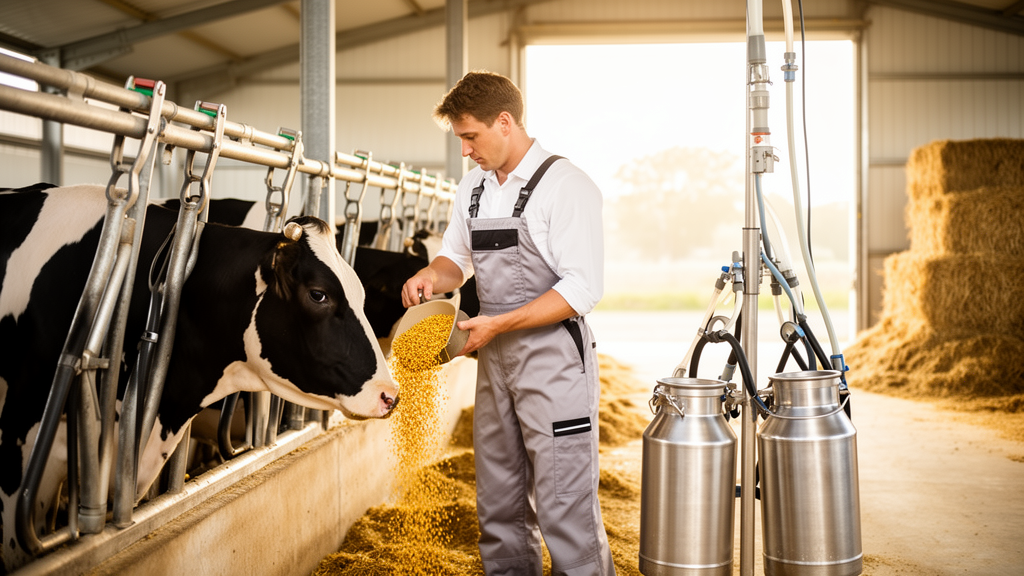
Image Credits: AI Generated
DOI: 10.1007/s10653-026-03534-9
Keywords: Inorganic, arsenic, milk, chains, pathways, exposure, levels, mitigation, scientific research
Cite Scienmag News
Alan Morgan. (October 25, 2026). From feed to milk: tracing inorganic arsenic through dairy chains. Scienmag. https://scienmag.com/from-feed-to-milk-tracing-inorganic-arsenic-through-dairy-chains/
Alan Morgan. "From feed to milk: tracing inorganic arsenic through dairy chains." Scienmag, 25 October 2026, https://scienmag.com/from-feed-to-milk-tracing-inorganic-arsenic-through-dairy-chains/. Accessed 25 October 2026.
Alan Morgan. "From feed to milk: tracing inorganic arsenic through dairy chains." Scienmag. October 25, 2026. https://scienmag.com/from-feed-to-milk-tracing-inorganic-arsenic-through-dairy-chains/


