


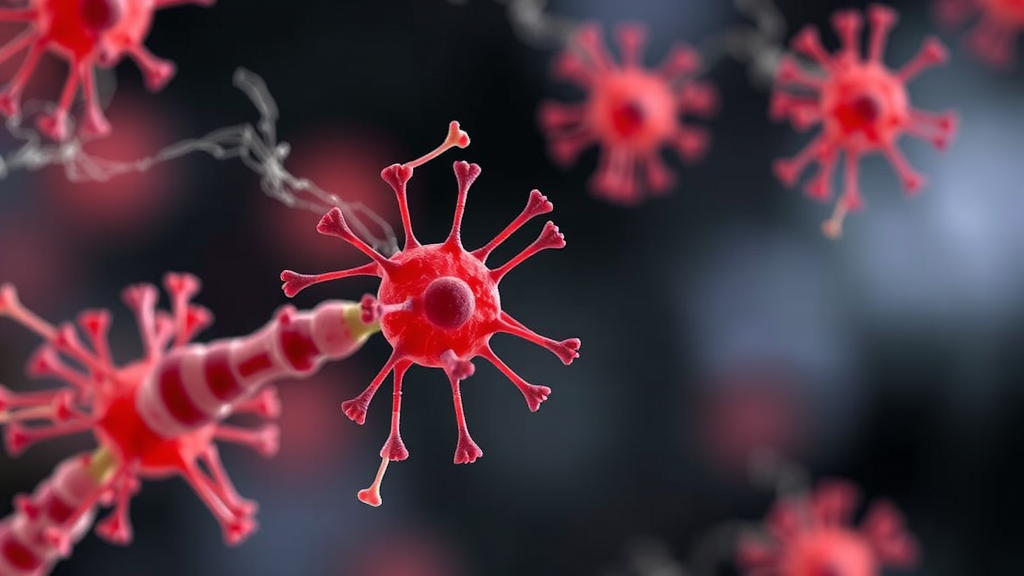
Malaria remains one of the deadliest infectious diseases on the planet, and the tools used to fight it are steadily losing their edge. According to the World Health Organization’s 2025 reporting, the disease accounted for an estimated 282 million cases and more than 610,000 deaths, while resistance to frontline antimalarial drugs continues to spread across endemic regions. Against this backdrop, a new review published in Acta Parasitologica by Dwimu Basumatary and Kimjolly Lhouvum of the National Institute of Technology, Arunachal Pradesh, turns the spotlight on an unusual family of molecular scissors embedded within the parasite’s membranes. These enzymes, known as rhomboid proteases, have quietly become one of the most intriguing candidates for the next generation of antimalarial drug development.
Rhomboid proteases belong to a class of enzymes called intramembrane serine proteases, meaning they carry out protein cleavage deep inside the lipid bilayer of cell membranes rather than in the watery environment where most proteases operate. First identified in fruit flies through genes governing embryonic development, rhomboids have since been found across nearly all branches of life, from bacteria to humans, where they regulate processes as diverse as growth factor signaling, mitochondrial dynamics, and bacterial quorum sensing. The malaria parasite Plasmodium falciparum carries eight of these enzymes, and the new review systematically assembles what scientists have learned about their biology, structure, catalytic mechanics, and potential as therapeutic targets.
The catalytic ingenuity of rhomboid proteases lies in how they solve a fundamental chemical problem. Peptide bond cleavage requires water, yet the interior of a membrane is an aggressively hydrophobic environment. Structural studies of the bacterial rhomboid GlpG, whose crystal structure was solved in 2006, revealed how these enzymes thread a substrate protein’s transmembrane helix into an internal active site, use helix-breaking residues to unwind the substrate, and recruit water molecules through specialized internal sites to perform the cut. Substrate recognition depends on specific sequence motifs within the transmembrane domain rather than simple affinity, and kinetic studies have shown that proteolysis inside the membrane is a rate-governed reaction with a two-stage catalytic mechanism. These details matter enormously for drug design, because they define the chemical features an inhibitor must exploit.
In Plasmodium, the best-characterized members of the family are PfROM1 and PfROM4, and their roles map directly onto the parasite’s most vulnerable moments. During the invasion of red blood cells, the merozoite stage of the parasite deploys an arsenal of adhesive proteins on its surface to latch onto the host cell. Once invasion is complete, these adhesins must be removed, partly because lingering surface proteins would present targets to the host’s antibodies. PfROM4 serves as the principal protease responsible for shedding key invasion-related adhesin families, including the erythrocyte binding-like proteins, the reticulocyte binding-like homologs, and the thrombospondin-related anonymous protein family member MTRAP. This shedding reaction, first demonstrated in 2006, is a sequence-independent juxtamembrane cleavage that also helps the parasite evade invasion-inhibitory antibodies.
The importance of rhomboid-mediated shedding extends well beyond the blood stage. In the sporozoite stage, which is injected by mosquitoes and travels to the liver, the adhesive protein TRAP must be cleaved by a rhomboid protease for the parasite to achieve the gliding motility essential for infectivity. Meanwhile, ROM1 has been implicated in the proper formation of the parasitophorous vacuole, the compartment the parasite builds around itself inside host cells. PfROM1 has also been localized to a newly identified secretory organelle in merozoites called the mononeme, hinting at additional functions that remain poorly understood. Other family members, such as ROM6 and ROM8, have been linked to the apicoplast, the parasite’s remnant chloroplast-like organelle, and to processes whose details are still being worked out.
Genetic evidence has been crucial in establishing which of these enzymes the parasite cannot live without. Early systematic knockout experiments in the rodent malaria model Plasmodium berghei showed that the genes encoding PbROM4, PbROM6, and PbROM7 could not be deleted, strongly suggesting they are essential for parasite survival. More recently, inducible knockout technology applied directly to P. falciparum has independently confirmed that PfROM4, PfROM6, and PfROM8 are essential in the human malaria parasite itself. This distinction matters, because essentiality in a rodent model does not always translate to the human parasite, and direct confirmation in P. falciparum substantially strengthens the case for these proteins as drug targets. At the same time, loss-of-function analyses have revealed that some family members perform redundant or nonessential functions, meaning any drug development effort must carefully select which rhomboid to pursue.
The most exciting development highlighted in the review is the arrival of parasite-selective chemical inhibitors of PfROM4. Researchers designed two classes of compounds, a peptide boronate and an alpha-ketoamide, that covalently engage the catalytic machinery of the parasite protease while sparing its human counterparts. In laboratory experiments, these inhibitors blocked erythrocyte invasion by the parasite and cleared blood-stage parasitemia, providing the first proof of concept that rhomboid proteases can be pharmacologically targeted in malaria. The selectivity is a critical achievement, because humans possess their own rhomboid proteases with essential functions, including the mitochondrial enzyme PARL involved in mitophagy, and any therapeutic must avoid interfering with these. Related alpha-ketoamide chemistry has since been used to inhibit human PARL in other disease contexts, demonstrating that the inhibitor platform itself is versatile.
Further support for the druggability of the family comes from an independent line of research published in 2025, in which N-aryl acetamide compounds with antimalarial activity were shown to be susceptible to resistance mutations arising in ROM8 and the protein CSC1. That work suggests ROM8 may be the direct or indirect target of a novel chemical class, adding a second rhomboid-linked vulnerability to the parasite’s armor. Taken together, these findings indicate that the rhomboid family offers multiple points of chemical attack, each potentially independent of the mechanisms by which parasites evade existing drugs such as chloroquine, antifolates, atovaquone, and the artemisinin derivatives whose declining efficacy has alarmed the field since resistance emerged in Southeast Asia.
Yet the review is candid about the substantial gaps that remain. Most of the eight Plasmodium rhomboid proteases are only partially characterized or entirely uncharacterized, and remarkably, no experimental three-dimensional structure of any Plasmodium rhomboid has been solved to date. All structural and mechanistic knowledge has been extrapolated from bacterial and other model rhomboids, which may not fully capture the substrate preferences and regulatory quirks of the parasite enzymes. Moreover, the promising inhibitor studies were performed in vitro, and the authors emphasize that validation in animal models and careful assessment of cross-reactivity against human rhomboids are essential next steps before any therapeutic development can proceed.
Even with those caveats, the trajectory of this research field is unmistakable. Rhomboid proteases sit at the intersection of parasite motility, host cell invasion, immune evasion, and survival, all processes central to the malaria parasite’s life cycle and all processes that existing drugs do not touch. As artemisinin resistance spreads and combination therapies come under increasing pressure, the identification of genetically validated, chemically tractable targets becomes ever more urgent. The demonstration that parasite-selective rhomboid inhibitors can block invasion and clear parasitemia, however preliminary, transforms this enzyme family from a subject of basic biological curiosity into a credible platform for antimalarial drug discovery, one that the next decade of structural biology and medicinal chemistry will be watching closely.
Subject of Research: Rhomboid proteases in Plasmodium parasites as antimalarial drug targets
Article Title: Rhomboid Proteases in Plasmodium spp. : Biology, Functional Roles, and Therapeutic Potential
Article References: Basumatary, D., & Lhouvum, K. (2026). Rhomboid Proteases in Plasmodium spp. : Biology, Functional Roles, and Therapeutic Potential. Acta Parasitologica, 71(5), Article 219. https://doi.org/10.1007/s11686-026-01402-1
Image Credits: AI Generated
DOI: 10.1007/s11686-026-01402-1
Keywords: rhomboid proteases, Plasmodium falciparum, malaria, intramembrane proteolysis, erythrocyte invasion, PfROM4, antimalarial drug targets, drug resistance, parasite-selective inhibitors, Acta Parasitologica, Rhomboid, Proteases
Cite Scienmag News
Drew Townsend. (September 24, 2026). Malaria Parasite Membrane Enzymes Emerge as Promising New Drug Targets. Scienmag. https://scienmag.com/malaria-parasite-membrane-enzymes-emerge-as-promising-new-drug-targets/
Drew Townsend. "Malaria Parasite Membrane Enzymes Emerge as Promising New Drug Targets." Scienmag, 24 September 2026, https://scienmag.com/malaria-parasite-membrane-enzymes-emerge-as-promising-new-drug-targets/. Accessed 24 September 2026.
Drew Townsend. "Malaria Parasite Membrane Enzymes Emerge as Promising New Drug Targets." Scienmag. September 24, 2026. https://scienmag.com/malaria-parasite-membrane-enzymes-emerge-as-promising-new-drug-targets/


