


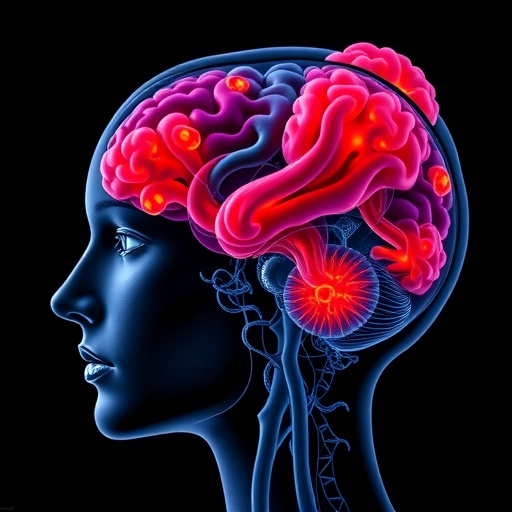
A new study has identified a neural pattern that may help explain why depression can make negative experiences feel overwhelmingly convincing while positive experiences fail to change how people see themselves. Researchers report that abnormal activity in the insula, a brain region involved in emotional awareness and bodily sensations, is linked to maladaptive self-beliefs. At the same time, people experiencing depression appear to learn less from positive feedback, creating a psychological system in which criticism is absorbed quickly but encouragement struggles to take hold.
The findings, published in Translational Psychiatry, offer a possible biological explanation for one of depression’s most persistent features: the tendency to maintain harsh, negative beliefs about the self even when daily experiences provide evidence that contradicts them. Someone may receive praise for completing a difficult task yet continue to believe they are incompetent. A single mistake, however, may feel like decisive proof of failure. This imbalance between negative and positive information is often described clinically, but the new research connects it to measurable changes in brain activity and learning processes.
The study focuses on the insula, a folded region buried within the cerebral cortex that helps integrate signals from the body with emotional and cognitive information. It contributes to the experience of discomfort, uncertainty, threat and subjective importance, often described as the feeling that something matters urgently. When people encounter negative feedback, insula activity may help determine how strongly that information is registered. According to the researchers, aberrant responses in this region could cause negative outcomes to acquire excessive emotional weight, reinforcing self-judgments that are inaccurate, rigid or disproportionately severe.
The researchers also examined how participants updated their expectations after receiving feedback. In computational terms, learning depends partly on a “prediction error”—the difference between what a person expects to happen and what actually happens. A surprisingly good outcome should generate a positive prediction error, prompting the brain to revise its beliefs in a more favorable direction. Depression may disrupt this updating process. Positive feedback can be noticed without being fully incorporated, leaving established negative beliefs largely untouched even when new evidence should weaken them.
This mechanism is different from simply failing to experience pleasure. Anhedonia, one of the central symptoms of depression, refers to reduced enjoyment or motivation. The findings suggest that a person might also have difficulty using positive events as evidence about who they are. A compliment, successful performance or supportive social interaction may produce a brief emotional response but fail to alter the deeper belief that “I am not good enough.” In contrast, negative information may be processed as highly diagnostic, strengthening the same belief.
The combination creates a self-reinforcing feedback loop. Negative experiences trigger an exaggerated neural response and are treated as meaningful evidence, while positive experiences generate weaker belief revision. Over time, the individual’s internal model of the self becomes increasingly pessimistic. This model can then influence attention, memory and expectations, making future failures more salient and future successes easier to dismiss. The brain is not merely reflecting a negative self-image; the researchers suggest that altered learning may actively help maintain it.
The results could have implications for the development of more targeted treatments. Many psychological therapies for depression already work by challenging distorted beliefs and encouraging patients to test them against real-world evidence. The new findings suggest that treatment may need to do more than dispute negative thoughts. It may also need to strengthen the processing of positive outcomes, helping patients pause after success, identify what went well and connect that event to a more balanced view of themselves. Repeatedly reinforcing positive prediction errors could, in principle, make adaptive beliefs more influential.
The study may also inform future approaches involving neuroimaging, computational psychiatry and personalized intervention. If patterns of insula activity or feedback learning can identify which patients are especially sensitive to negative information, clinicians could potentially tailor treatment to those specific mechanisms. Neurofeedback, cognitive training and carefully designed behavioral exercises might eventually be tested as ways to normalize responses to emotional feedback. However, brain activity alone cannot diagnose depression or determine an individual’s treatment, and the findings should be understood as evidence about a contributing mechanism rather than a single cause.
The research arrives at a time when scientists are increasingly moving beyond symptom checklists to study how depression changes the brain’s basic systems for prediction, valuation and belief revision. Its central message is striking: depression may persist partly because the mind gives negative evidence too much authority and positive evidence too little. By revealing how insula activity and impaired learning from positive feedback may combine to shape self-beliefs, the study provides a clearer biological target for understanding—and potentially disrupting—the cycle of self-criticism that affects millions of people worldwide.
Cite Scienmag News
Glenn Wilkins. (August 7, 2026). Abnormal insula responses and impaired positive-feedback learning drive negative self-beliefs in depression. Scienmag. https://scienmag.com/abnormal-insula-responses-and-impaired-positive-feedback-learning-drive-negative-self-beliefs-in-depression/
Glenn Wilkins. "Abnormal insula responses and impaired positive-feedback learning drive negative self-beliefs in depression." Scienmag, 7 August 2026, https://scienmag.com/abnormal-insula-responses-and-impaired-positive-feedback-learning-drive-negative-self-beliefs-in-depression/. Accessed 3 September 2026.
Glenn Wilkins. "Abnormal insula responses and impaired positive-feedback learning drive negative self-beliefs in depression." Scienmag. August 7, 2026. https://scienmag.com/abnormal-insula-responses-and-impaired-positive-feedback-learning-drive-negative-self-beliefs-in-depression/


