


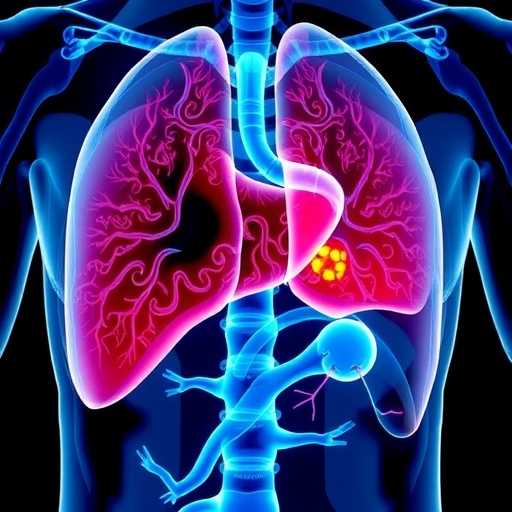
A new cohort study published in JAMA Network Open is examining how histotripsy is being used across the United States to treat liver tumors, offering a national look at a technology that destroys tumors with sound rather than heat, radiation, or surgical instruments. The study focuses on adult patients and evaluates both practice patterns and short-term outcomes, providing an early assessment of how this emerging treatment is being integrated into clinical care.
Histotripsy is a noninvasive or minimally invasive tumor-ablation technique that uses focused ultrasound to generate extremely brief, high-energy acoustic pulses inside a targeted area of tissue. Unlike conventional therapeutic ultrasound, which relies primarily on heat, histotripsy uses mechanical forces. These forces create microscopic bubbles through a process known as acoustic cavitation. As the bubbles rapidly expand and collapse, they mechanically disrupt the targeted tissue, breaking it into cellular debris while limiting thermal injury to surrounding structures.
The technology is particularly relevant to liver cancer because many liver tumors are difficult to remove surgically. Patients may have tumors located near major blood vessels or bile ducts, multiple lesions, impaired liver function, or other medical conditions that make an operation unsafe. Existing nonsurgical treatments, including radiofrequency ablation, microwave ablation, cryoablation, transarterial therapies, and radiation-based approaches, can be effective in selected patients, but each has limitations related to tumor size, location, heat damage, access routes, or the risk of harming healthy liver tissue.
Histotripsy aims to address some of these challenges by delivering mechanical energy to a predefined target while avoiding the prolonged heat exposure associated with thermal ablation. During treatment, imaging is used to identify the tumor and guide the placement of the focused ultrasound beam. The system then delivers acoustic pulses to the selected region. The resulting cavitation activity fragments the tissue, and the body can subsequently remove or process the cellular remnants through normal biological pathways.
The national cohort study evaluates real-world use rather than results from a narrowly controlled laboratory experiment. This distinction is important because treatment performance can vary when a technology moves from specialized clinical trials into hospitals with different equipment, expertise, patient populations, and treatment protocols. By examining practice patterns across adult patients with liver tumors, the investigators aim to clarify who is receiving histotripsy, how clinicians are applying it, and what short-term outcomes are being observed after treatment.
Real-world evidence may help answer several practical questions about the technology. Researchers and clinicians will be interested in the types and sizes of tumors treated, the anatomical regions targeted, the reasons patients were selected for histotripsy, and whether treatment is being used as an alternative to surgery or other ablation procedures. The study may also help identify how frequently patients require additional interventions, how hospitals manage complications, and whether treatment patterns differ across geographic or institutional settings.
The short-term outcomes assessed in this type of research can include procedure-related complications, hospital admission, readmission, emergency care, and early mortality, although the information provided about the study does not include specific numerical findings. Such outcomes are essential for understanding the safety profile of a new procedure, but they do not by themselves establish long-term cancer control. A complete assessment of histotripsy will also require longer follow-up examining local tumor recurrence, progression elsewhere in the liver, overall survival, quality of life, and the need for repeat treatment.
The biological effects of histotripsy may extend beyond simple physical destruction of tumor tissue. Mechanical fragmentation can expose tumor-associated material to the immune system, raising interest in whether the procedure might stimulate an immune response against residual malignant cells. Scientists are investigating this possibility, but it remains an area of active research. Histotripsy should not currently be understood as a replacement for systemic cancer treatments such as immunotherapy or targeted therapy; rather, it may eventually become one component of multimodal care for carefully selected patients.
The study also arrives as hospitals and regulatory bodies continue to evaluate how quickly novel medical devices should enter routine practice. Early adoption can give patients access to potentially valuable treatment options, but it can also expose gaps in training, patient selection, data collection, and follow-up. National analyses are therefore important because they can reveal whether promising technologies are being used consistently and safely outside the institutions where they were first developed.
Allan Tsung, MD, of the Department of Surgery at the University of Virginia, is the corresponding author. The findings appear in JAMA Network Open under the digital object identifier 10.1001/jamanetworkopen.2026.27493. The study’s national perspective may help shape future clinical guidelines, inform discussions between patients and physicians, and define the research questions that must be answered before histotripsy can be considered a standard treatment for a broader range of liver tumors.
Web References: https://doi.org/10.1001/jamanetworkopen.2026.27493
References: JAMA Network Open. DOI: 10.1001/jamanetworkopen.2026.27493.
Cite Scienmag News
Nathaniel Bowman. (August 6, 2026). Early US Clinical Results Show Histotripsy Treating Liver Tumors. Scienmag. https://scienmag.com/early-us-clinical-results-show-histotripsy-treating-liver-tumors/
Nathaniel Bowman. "Early US Clinical Results Show Histotripsy Treating Liver Tumors." Scienmag, 6 August 2026, https://scienmag.com/early-us-clinical-results-show-histotripsy-treating-liver-tumors/. Accessed 4 September 2026.
Nathaniel Bowman. "Early US Clinical Results Show Histotripsy Treating Liver Tumors." Scienmag. August 6, 2026. https://scienmag.com/early-us-clinical-results-show-histotripsy-treating-liver-tumors/


