


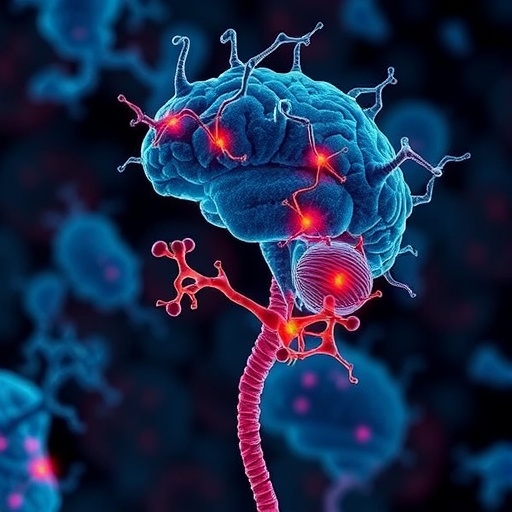
A new study is pushing beyond “correlation” to ask how the gut microbiome could actively contribute to psychiatric disorders. Published in Translational Psychiatry, the research maps mechanistic routes that may connect intestinal microbes to brain function, offering a framework for moving from association-based findings toward causal explanations.
Instead of treating microbiome differences as mere biomarkers, the authors synthesize evidence for biological pathways that plausibly transmit signals from the gut to the nervous system. They focus on how microbial communities can influence neuroactive chemistry, immune activity, and stress-response circuits that are often implicated in mental health.
One highlighted mechanism involves microbial metabolites—small molecules produced during fermentation and nutrient processing. These compounds can interact with host signaling systems, including pathways that regulate inflammation and neuronal signaling. By altering metabolite profiles, changes in gut ecology may shift the chemical environment that the brain indirectly receives.
Immune modulation is another central theme. The gut hosts a large fraction of the body’s immune cells, and microbial cues can shape cytokine production and immune tone. The study emphasizes that inflammatory signals can reach the brain through multiple routes, potentially affecting synaptic plasticity and neurotransmission.
The paper also discusses the gut barrier and microbial translocation risk. When intestinal permeability increases, bacterial components may access systemic circulation more readily, activating inflammatory pathways and potentially intensifying neuropsychiatric symptoms.
Stress physiology may connect these processes as well. The authors describe how stress hormones can alter gut microbial composition, which in turn can feed back to influence stress-reactive pathways. This bidirectional relationship supports a cycle in which microbial imbalance and mental symptoms reinforce each other.
Crucially, the authors frame causality as something that must be tested with mechanistic experiments, not inferred solely from observational studies. They outline experimental strategies that can strengthen causal inference, such as targeted manipulation of microbial taxa or metabolites and downstream measurement of brain-relevant outcomes.
Overall, the work positions the microbiome as a dynamic, bioactive system rather than a passive indicator. If verified in longitudinal and intervention studies, the proposed pathways could inform microbiome-based diagnostics and therapeutic approaches for psychiatric disorders.
Cite Scienmag News
Glenn Wilkins. (July 28, 2026). Mechanisms Connecting Gut Microbiome to Causality in Psychiatric Disorders. Scienmag. https://scienmag.com/mechanisms-connecting-gut-microbiome-to-causality-in-psychiatric-disorders/
Glenn Wilkins. "Mechanisms Connecting Gut Microbiome to Causality in Psychiatric Disorders." Scienmag, 28 July 2026, https://scienmag.com/mechanisms-connecting-gut-microbiome-to-causality-in-psychiatric-disorders/. Accessed 5 September 2026.
Glenn Wilkins. "Mechanisms Connecting Gut Microbiome to Causality in Psychiatric Disorders." Scienmag. July 28, 2026. https://scienmag.com/mechanisms-connecting-gut-microbiome-to-causality-in-psychiatric-disorders/


