

Friday, July 17, 2026
Science
No Result
View All Result
  • Login
  • HOME
  • SCIENCE NEWS
  • CONTACT US
  • HOME
  • SCIENCE NEWS
  • CONTACT US
No Result
View All Result
Scienmag
No Result
View All Result
Home Science News Biology

Metabolomic Profiling Reveals Subtype-Specific Molecular Programs in Pediatric Ependymoma

July 17, 2026
in Biology
Reading Time: 2 mins read
0
Metabolomic Profiling Reveals Subtype-Specific Molecular Programs in Pediatric Ependymoma

Metabolomic Profiling Reveals Subtype-Specific Molecular Programs in Pediatric Ependymoma

65
SHARES
587
VIEWS
Share on FacebookShare on Twitter
ADVERTISEMENT

Ependymoma, a pediatric brain tumor with distinct molecular subtypes, remains difficult to stratify beyond genetics because its metabolic landscape has been largely uncharted. While modern molecular classification improves risk assessment, the biochemical programs that distinguish major pediatric groups have been poorly defined—especially given how rare the disease is. A new study addresses this gap by performing a systematic, subtype-wide metabolomic comparison across tumors.

In an experimental untargeted metabolomics workflow, researchers profiled tumor tissues from 42 pediatric ependymomas representing four key molecular subtypes: ST-RELA, ST-YAP1, PFA, and PFB. Rather than being driven primarily by tumor location, the study finds that broad metabolic patterns are shaped more strongly by molecular subtype than by anatomical region. This suggests that the underlying oncogenic lesions actively sculpt metabolic circuitry.

The results reveal that ST-YAP1 displays the most distinct global metabolic profile. The largest metabolic divergence occurs between the supratentorial subtypes ST-RELA and ST-YAP1, whereas the posterior fossa subtypes PFA and PFB are metabolically much closer. Together, these patterns indicate a tight coupling between molecular identity and metabolic organization.

Delving into aggressive biology, the more malignant ST-RELA subtype shows enrichment of acylcarnitines alongside increased expression of fatty-acid oxidation genes, including CPT1A, CPT1C, and CPT2. In publicly available pediatric brain tumor datasets, higher CPT1A expression corresponds to worse overall survival in ependymoma, strengthening the case for functional relevance.

The study also connects subtype metabolism to clinically observed behavior through polyamine pathways. Polyamine metabolites are enriched in both PFA and ST-RELA, the more clinically aggressive groups, with even higher levels in younger patients with PFA. By contrast, ST-YAP1—associated with more favorable prognosis—exhibits markedly lower levels of nucleotides and nucleotide sugars, consistent with a less proliferative and more differentiated state.

Overall, the work maps metabolic heterogeneity onto molecular subclassification and highlights potential therapeutic dependencies. Fatty acid oxidation in ST-RELA and polyamine metabolism in PFA/ST-RELA emerge as promising metabolic vulnerabilities. By providing a first comprehensive view across the major pediatric ependymoma subtypes, the study offers a practical resource for future metabolism-guided treatment development.

Notably, the integration of untargeted profiling with gene-expression context elevates metabolomics from description to hypothesis generation. If these metabolic programs translate into druggable targets, subtype-specific metabolic interventions could complement existing molecular risk stratification. In a field where patient numbers are limited, the cohort-level approach here provides a credible starting point for viral-ready science narratives—and for laboratory follow-up.

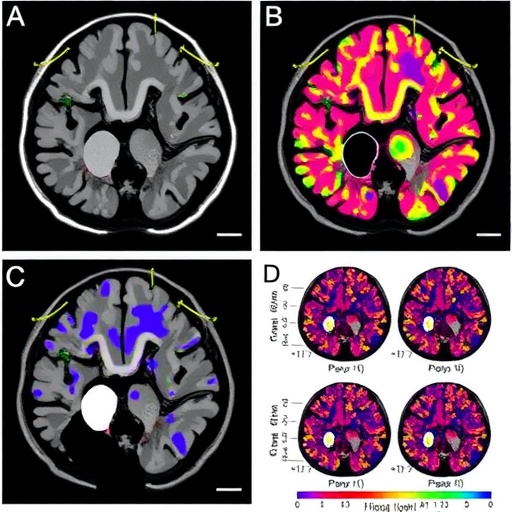
The accompanying figure summarizes how subtype-linked metabolic programs align with differences in aggressiveness, reinforcing the concept that metabolism can serve as a bridge between genotype and phenotype. As precision oncology expands beyond DNA, these findings position metabolic phenotyping as a next-step strategy for pediatric ependymoma research.

Subject of Research: Not applicable
Article Title: Comprehensive metabolic characterization of pediatric ependymomas
News Publication Date: 20-Apr-2026
Web References: http://dx.doi.org/10.1093/lifemeta/loag010
References: 10.1093/lifemeta/loag010
Image Credits: HIGHER EDUCATION PRESS
Keywords: Cell biology

Tags: biochemical pathways in pediatric brain tumor subtypesmetabolic differences between ependymoma subtypesmetabolic landscape of ependymoma molecular groupsmetabolomic markers for pediatric ependymoma classificationmolecular subtypes of ependymomapediatric ependymoma metabolomicsrole of fatty acid oxidation in ependymoma aggressivenesssubtype-specific metabolic signatures in ependymomatumortumor metabolic pathways in pediatric brain cancersuntargeted metabolomic profiling in brain tumors
Share26Tweet16
Previous Post

Human Activities Weaken Coral Health and Reduce Their Resilience

Next Post

Lancet Commission Updates Global Female Health, Tackling Menstruation and Bleeding Disorders Across Lifespans

Related Posts

Structure-Guided PCSK9 Vaccine Demonstrates Promising Preclinical Results
Biology

Structure-Guided PCSK9 Vaccine Demonstrates Promising Preclinical Results

July 17, 2026
Greek Cave Snail Identified, Named for Hermes and His Nymph Caretaker
Biology

Greek Cave Snail Identified, Named for Hermes and His Nymph Caretaker

July 17, 2026
Compact genetic switch offers new potential therapies for drug-resistant epilepsy
Biology

Compact genetic switch offers new potential therapies for drug-resistant epilepsy

July 17, 2026
NIH Grants $10.7 Million to Advance Sensory Biology at OU Medicine
Biology

NIH Grants $10.7 Million to Advance Sensory Biology at OU Medicine

July 16, 2026
New Model Uncovers Hidden Disease Signals and Predicts Health Outcomes
Biology

New Model Uncovers Hidden Disease Signals and Predicts Health Outcomes

July 16, 2026
AI designs functional CRISPR-like nucleases surpassing natural models
Biology

AI designs functional CRISPR-like nucleases surpassing natural models

July 16, 2026
Next Post
Lancet Commission Updates Global Female Health, Tackling Menstruation and Bleeding Disorders Across Lifespans

Lancet Commission Updates Global Female Health, Tackling Menstruation and Bleeding Disorders Across Lifespans

  • Mothers who receive childcare support from maternal grandparents show more

    Mothers who receive childcare support from maternal grandparents show more parental warmth, finds NTU Singapore study

    27656 shares
    Share 11059 Tweet 6912
  • University of Seville Breaks 120-Year-Old Mystery, Revises a Key Einstein Concept

    1061 shares
    Share 424 Tweet 265
  • Bee body mass, pathogens and local climate influence heat tolerance

    682 shares
    Share 273 Tweet 171
  • Researchers record first-ever images and data of a shark experiencing a boat strike

    546 shares
    Share 218 Tweet 137
  • Groundbreaking Clinical Trial Reveals Lubiprostone Enhances Kidney Function

    531 shares
    Share 212 Tweet 133
Science

Embark on a thrilling journey of discovery with Scienmag.com—your ultimate source for cutting-edge breakthroughs. Immerse yourself in a world where curiosity knows no limits and tomorrow’s possibilities become today’s reality!

RECENT NEWS

  • ZBP1 Links Genomic Stress to Tumor Immunity, New Study Finds
  • Aral Sea Drying Turns Carbon Sink Into Major Carbon Source
  • Structure-Guided PCSK9 Vaccine Demonstrates Promising Preclinical Results
  • University Professor Uses Artificial Intelligence to Improve Road Safety

Categories

  • Agriculture
  • Anthropology
  • Archaeology
  • Athmospheric
  • Biology
  • Biotechnology
  • Blog
  • Bussines
  • Cancer
  • Chemistry
  • Climate
  • Earth Science
  • Editorial Policy
  • Marine
  • Mathematics
  • Medicine
  • Pediatry
  • Policy
  • Psychology & Psychiatry
  • Science Education
  • Social Science
  • Space
  • Technology and Engineering

Subscribe to Blog via Email

Enter your email address to subscribe to this blog and receive notifications of new posts by email.

Join 5,146 other subscribers

© 2025 Scienmag - Science Magazine

Welcome Back!

Login to your account below

Forgotten Password?

Retrieve your password

Please enter your username or email address to reset your password.

Log In
No Result
View All Result
  • HOME
  • SCIENCE NEWS
  • CONTACT US

© 2025 Scienmag - Science Magazine

Discover more from Science

Subscribe now to keep reading and get access to the full archive.

Continue reading
