


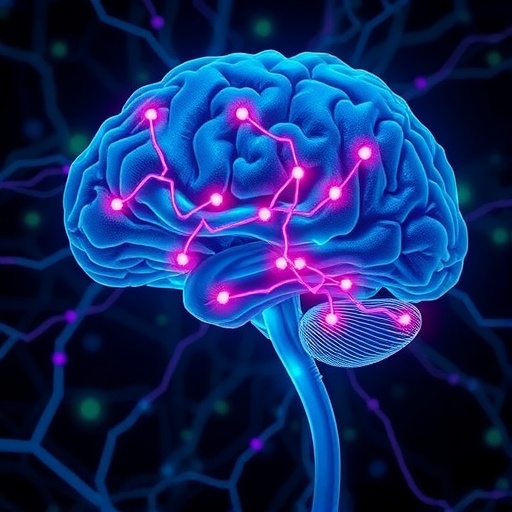
A new translational psychiatry study reports that psilocybin can measurably shift human synaptic plasticity—one of the brain’s core cellular processes for learning, adaptation, and mood regulation. Published in Translational Psychiatry, the work by Johansen, Plavén-Sigray, Madsen and colleagues links the psychedelic compound to plasticity-related changes in neural networks rather than limiting the discussion to subjective experience.
Researchers focused on how psilocybin influences synapse-level dynamics, drawing on modern neurophysiology approaches to probe activity-dependent modulation in humans. In this framework, synaptic plasticity is not treated as a vague concept; it is operationalized through experimental measures that reflect how readily connections strengthen or weaken after stimulation.
The key result is that psilocybin appears to promote plasticity-like behavior in human brain circuits. Such effects matter because many psychiatric disorders—particularly those marked by rigid negative cognition and altered emotional learning—may involve a maladaptive balance between synaptic stability and change. By nudging that balance, psilocybin could help “reset” how the brain updates experiences.
Importantly, the study frames its findings as translational: it bridges mechanistic hypotheses that have been strongly supported in preclinical models with experimental observations in people. That bridge is crucial for separating correlation from mechanism in psychedelic neuroscience, where enthusiasm can sometimes outrun rigorous biological evidence.
The authors also emphasize that synaptic plasticity is shaped by both timing and context. Psychedelic-induced plasticity may not simply add “more learning,” but may tune the conditions under which networks become receptive to new patterns of information.
While this does not mean psilocybin is a direct treatment for every form of mental illness, the results strengthen the argument that its therapeutic potential could involve durable changes in how synapses respond to activity. That, in turn, provides a biologically grounded rationale for why properly structured sessions might yield longer-lasting benefits than short-term effects.
The article appears in Translational Psychiatry in 2026 and is accessible via DOI: 10.1038/s41398-026-04285-y. As psychedelic research rapidly expands, this study adds to the emerging picture: psilocybin may act as a catalyst for human synaptic reconfiguration—one molecular and circuit-level lever among many.
For readers tracking viral science breakthroughs, the takeaway is clear: psilocybin’s influence may be measurable in the brain’s capacity to adapt, offering a concrete target for future studies on dosing, biomarkers, and long-term neurobiological outcomes.
Cite Scienmag News
Glenn Wilkins. (July 15, 2026). Psilocybin Alters Human Brain Synaptic Plasticity, New Research Finds. Scienmag. https://scienmag.com/psilocybin-alters-human-brain-synaptic-plasticity-new-research-finds/
Glenn Wilkins. "Psilocybin Alters Human Brain Synaptic Plasticity, New Research Finds." Scienmag, 15 July 2026, https://scienmag.com/psilocybin-alters-human-brain-synaptic-plasticity-new-research-finds/. Accessed 4 September 2026.
Glenn Wilkins. "Psilocybin Alters Human Brain Synaptic Plasticity, New Research Finds." Scienmag. July 15, 2026. https://scienmag.com/psilocybin-alters-human-brain-synaptic-plasticity-new-research-finds/


