


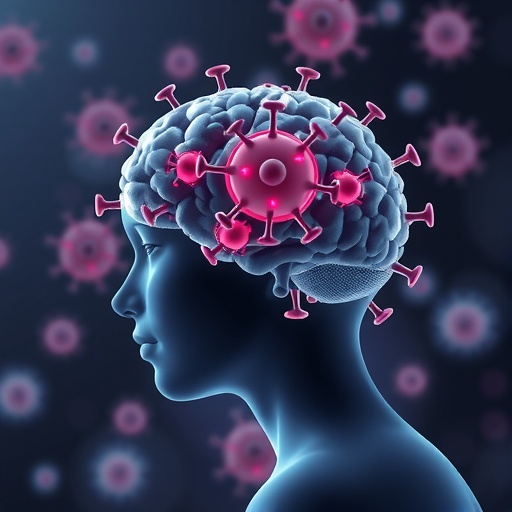
A new translational study in Translational Psychiatry links lingering fatigue after COVID-19 to a cascade of immune and metabolic changes that appear to reach the brain. Researchers report that, in people experiencing post-acute symptoms, peripheral immunometabolic signatures correlate with altered neuroimmune activity in the hippocampus—an area crucial for memory, stress regulation, and cognition.
The work emphasizes that long-term fatigue may not simply be a residual symptom of infection, but a reflection of ongoing cross-talk between the immune system and metabolism. By focusing on immunometabolic alterations in the body, the team suggests a mechanistic route through which systemic immune signaling could influence brain microenvironments.
While the exact pathways remain under active investigation, the findings highlight the hippocampus as a sensitive hub for neuroimmune responses. Changes in peripheral metabolic and immune profiles could modify how immune cells communicate, reshape inflammatory tone, or affect signaling cascades that govern synaptic function and neuronal resilience.
Technically, the study frames fatigue as an endophenotype associated with measurable biological variation. Rather than treating fatigue as purely psychosomatic or behavioral, the researchers connect symptoms to immunometabolic markers that track with neuroimmune changes in brain-relevant circuits. This approach may help distinguish biological fatigue from more heterogeneous post-viral complaints.
The authors also underscore the relevance of immunometabolism—how metabolic pathways in immune cells shape inflammatory behavior. Metabolism can tune immune activation thresholds, influencing the duration and intensity of inflammatory programs even after viral clearance.
Importantly for clinicians, these insights may open avenues for stratifying long COVID patients based on biological risk. If peripheral markers can reliably predict neuroimmune alterations, they could guide targeted interventions and improve trial design for fatigue-focused therapies.
The study’s framing is aligned with a broader scientific trend: viewing neuropsychiatric symptoms after infection as outcomes of systemic biology rather than isolated brain dysfunction. By bridging peripheral measurements with hippocampal neuroimmune responses, the researchers provide a testable model for how post-COVID fatigue might persist.
As the field moves toward precision medicine, the central message is clear: lingering fatigue may be sustained by an immune–metabolic loop that reaches the brain. Future research will be needed to confirm causal relationships and determine whether intervening in immunometabolic pathways can reduce neuroimmune disruption and alleviate symptoms.
Subject of Research
Post-COVID fatigue and immunometabolic mechanisms affecting neuroimmune responses in the hippocampus.
Article Title
Fatigue after COVID-19 infection is associated with peripheral immunometabolic alterations affecting neuroimmune responses in the hippocampus.
Article References
Mariani, N., Martins, D., Imbeni, F. et al. Fatigue after COVID-19 infection is associated with peripheral immunometabolic alterations affecting neuroimmune responses in the hippocampus. Translational Psychiatry (2026). https://doi.org/10.1038/s41398-026-04250-9
DOI
https://doi.org/10.1038/s41398-026-04250-9
Cite Scienmag News
Cassandra Pierce. (July 15, 2026). COVID-19 fatigue linked to hippocampal immune and metabolic changes. Scienmag. https://scienmag.com/covid-19-fatigue-linked-to-hippocampal-immune-and-metabolic-changes/
Cassandra Pierce. "COVID-19 fatigue linked to hippocampal immune and metabolic changes." Scienmag, 15 July 2026, https://scienmag.com/covid-19-fatigue-linked-to-hippocampal-immune-and-metabolic-changes/. Accessed 4 September 2026.
Cassandra Pierce. "COVID-19 fatigue linked to hippocampal immune and metabolic changes." Scienmag. July 15, 2026. https://scienmag.com/covid-19-fatigue-linked-to-hippocampal-immune-and-metabolic-changes/


