

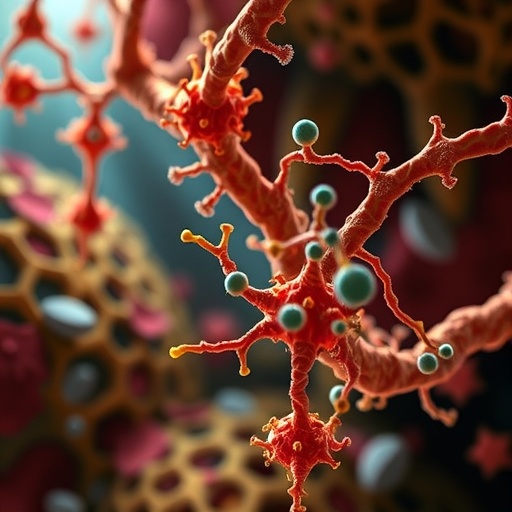
For decades, cancer research has focused almost exclusively on the rogue genetics of tumor cells themselves. But a torrent of new evidence is forcing oncologists to widen their lens—revealing that the trillions of microbes living in our guts and even nestled inside tumors are not passive bystanders, but active participants in the disease. A landmark special issue published in Cancer Biology & Medicine in May 2026 now crystallizes this shift, arguing that the microbiome should be treated not as a mere influencer, but as a central player in cancer evolution, immune evasion, and treatment response. The collection, guest-edited by Professor Jun Yu of the Chinese University of Hong Kong, draws together seven comprehensive reviews that collectively make the case for a new hybrid field: microbial oncology.
At the heart of this microbial revolution is a simple but profound insight—tumors do not evolve in a sterile vacuum. They recruit the body’s resident bacteria to build a supportive ecosystem, using bacterial metabolites to shield themselves from immune attack. One of the reviews homes in on hepatocellular carcinoma, showing how a disrupted gut community—a loss of protective genera like Lactobacillus and Akkermansia, and an overgrowth of pathogens like Klebsiella pneumoniae—sends waves of bacteria and their toxic byproducts through a leaky gut barrier into the liver. Once there, they ignite chronic inflammation that can drive healthy hepatocytes toward malignancy. This microbial translocation, long suspected, now has a mechanistic backbone spelled out in multi-omics detail.
That multi-omics framework is the star of another major analysis on colorectal cancer. Researchers are no longer satisfied simply cataloguing which bugs are present; they want to know what those bugs are doing. By layering metagenomics (who’s there), transcriptomics (which genes are turned on), and metabolomics (what chemicals are being produced), they can now trace precise biochemical conversations between a bacterium, a host cell, and immune sentinels. For colorectal cancer, scientists have identified specific microbial gene clusters that produce genotoxins and secondary bile acids capable of damaging DNA within colonocytes, while simultaneously suppressing the local immune response—a perfect recipe for malignant transformation.
Perhaps the most under-appreciated revelation is that bacteria don’t just work from the gut. A dedicated review on tumor-resident bacteria reveals that these intratumoral microbes are remarkably common in gastrointestinal cancers and can serve as both diagnostic fingerprints and prognostic tools. Certain strains sequestered deep inside a tumor can metabolize chemotherapy agents before they reach their target, effectively disarming front-line drugs. Others expose unique surface antigens that might eventually be exploited by vaccines or engineered immune cells. The challenge, the authors note, is figuring out which bacteria are friends, foes, or situational turncoats.
The therapeutic implications are racing ahead. One review champions probiotics not as a health-store fad but as a legitimate adjuvant strategy for colorectal cancer. Clinical evidence now suggests that carefully selected bacterial strains can restore gut barrier integrity, crowd out carcinogenic pathogens, and recalibrate local immunity in ways that amplify the effects of chemotherapy or immune checkpoint inhibitors. Meanwhile, fecal microbiota transplantation—once the domain of recalcitrant C. difficile infections—is revealing its power in melanoma and lung cancer, essentially “rebooting” a patient’s gut ecosystem to make it more receptive to immunotherapy.
A particularly futuristic avenue explored in the special issue is the microbial modulation of immunogenic cell death. Many tumors are “cold”—they lack the damage-signaling molecules and inflammatory fireworks that attract T cells. Certain microbial metabolites, it turns out, can rewire a dying cancer cell’s signalling cascade to release the molecular equivalent of a flare gun, calling in an immune assault. This means that a simple metabolite pill or an engineered bacterium could, in theory, convert a checkpoint-inhibitor-resistant tumor into one that melts away under the same drugs. The mechanistic framework laid out in the issue gives drug developers a concrete roadmap for targeting this process.
To test such hypotheses, researchers rely heavily on sophisticated animal models that mimic everything from premalignant gastric lesions to full-blown metastatic disease. One contribution dissects these models, emphasizing how germ-free and gnotobiotic mice—animals harbouring defined microbial communities—are indispensable for proving causality. They have already shown that transplanting a “cancer-prone” microbiome can accelerate tumor formation in healthy recipients, a sobering finding that underscores the microbiome’s causal role, not just its correlation.
As the special issue makes clear, we are moving beyond the era of simply observing microbial shifts toward an era of engineering them. The vision is a personalized cancer care model where a non-invasive stool test detects early microbial biomarkers for gastric or colorectal cancer; a probiotic cocktail tailored to your gut profile enhances your response to immunotherapy; and if a tumor has been colonized by a drug-resistant bacterium, a targeted nano-delivery system tackles both infection and malignancy simultaneously. “This collection shows that the next phase of cancer research isn’t about choosing between genetics, immunology, or microbiology—it’s about understanding how these systems interconnect,” the editorial team notes. In this emerging picture, the microbiome is no longer a forgotten ally but an indispensable guide, and the boundary between prevention and treatment dissolves into a single, ecosystem-wide strategy.
Subject of Research: Host–microbe interactions in cancer initiation, progression, and therapy
Article Title: Special Issue on Microbiota and Cancer
News Publication Date: 15-May-2026
Web References: Cancer Biology & Medicine
Image Credits: Cancer Biology & Medicine


