

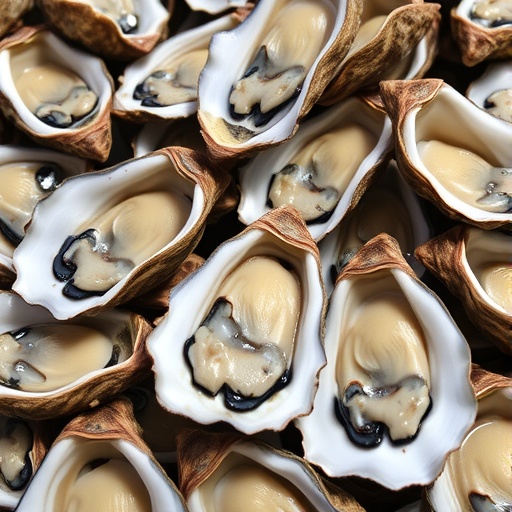
A chance discovery in one of Italy’s most productive aquaculture zones may soon give the world an unlikely weapon against chronic gut inflammation: waste oysters. Scientists have found that a simple extract from the meat of Pacific oysters – the same species that ends up on dinner plates across the globe – can powerfully suppress the molecular fires of inflammation inside human intestinal cells. The work, presented at the Society for Experimental Biology conference in Florence, not only reveals a new biological activity for a familiar shellfish but also points toward a cheap, sustainable nutraceutical that could help millions suffering from conditions linked to an overly permeable gut.
Chronic inflammation is a silent architect of some of the most burdensome diseases of our time, including inflammatory bowel disease, type 2 diabetes, cardiovascular disease, and even certain cancers. At the cellular level, a key gatekeeper is the intestinal epithelial barrier. When this single layer of cells lining the gut becomes compromised – a phenomenon often called leaky gut – bacteria, toxins, and food antigens can slip into the bloodstream, triggering systemic immune responses. Maintaining the integrity of that barrier is therefore a prime target for dietary interventions, and the new research suggests that oyster meat contains precisely the right molecular toolkit to do so.
Pacific oysters (Crassostrea gigas) are the most extensively farmed saltwater bivalve mollusc on the planet, prized for their nutritional richness and a cocktail of bioactive compounds already known to exert antimicrobial, antioxidant, and anticancer effects. Earlier studies had hinted that oyster preparations could dampen inflammation in mouse white blood cells, but no one had examined their impact on the human intestinal epithelium. Giulia Trinchera, a PhD student at the University of Ferrara, and her colleagues decided to fill that gap, driven by a very practical motivation. Every year, between 30 and 40 percent of the oyster harvest from the Sacca di Goro lagoon in the Po Delta – one of Italy’s most important shellfish basins – is discarded as waste. “We wondered whether this ‘waste’ material could be utilised as a nutraceutical ingredient with anti-inflammatory potential, thereby transforming an environmental and economic problem into an opportunity,” Trinchera says.
To test that idea, the team first performed a comprehensive nutritional analysis of the oyster soft tissue, quantifying proteins, lipids, minerals, polyphenols, and carotenoids. They then produced a whole-tissue extract from dried meat – deliberately avoiding any purification steps to keep the process simple and affordable – and applied it to cultures of human intestinal epithelial cells. The cells were simultaneously exposed to tumor necrosis factor-alpha (TNF-α), a master pro-inflammatory cytokine that mimics the biochemical environment of a gut under siege. The extract’s effects were measured with a suite of complementary techniques that probed gene expression, protein activity, and the physical architecture of the cell layer.
The results were striking. The oyster extract effectively blocked the activation of the NF-κB signalling pathway, a central molecular switch that turns on scores of inflammatory genes. By suppressing the phosphorylation and degradation of IκBα, the inhibitory protein that normally holds NF-κB in check, the extract kept the transcription factor out of the nucleus, where it would otherwise orchestrate a damaging inflammatory programme. One of NF-κB’s downstream targets, the enzyme cyclooxygenase-2 (COX-2), which catalyses the production of pro-inflammatory prostaglandins, was also significantly downregulated. Even in the presence of TNF-α, the intestinal cells treated with the extract showed a near-normal pattern of gene expression.
Crucially, these molecular changes translated into real functional protection. The team used transepithelial electrical resistance measurements and electron microscopy to monitor the integrity of the cell monolayer. Under inflammatory assault, untreated cells quickly lost their tight junctions and became leaky. Cells bathed in the oyster extract, however, maintained their cobblestone-like appearance and tight junction protein complexes, restoring normal permeability levels. “This is, to our knowledge, the first time that oyster tissue has been shown to exert anti-inflammatory effects on intestinal cells,” Trinchera says. “Our main finding highlights how the oyster extract, at concentrations that are non-toxic to cells, was able to significantly reduce TNF-α-induced intestinal inflammation.”
The implications ripple far beyond a single experiment. Oysters are already a globally accepted food, and a whole-tissue extract that requires no costly purification could be scaled up rapidly from existing aquaculture waste streams. The Sacca di Goro alone produces copious discards that could be diverted into nutraceutical supply chains, simultaneously cutting disposal costs and generating a high-value product. While the results are compelling, Trinchera is careful to stress that they remain preclinical. Future work must pinpoint the exact bioactive molecules responsible – early suspects include specific peptides, omega-3 fatty acids, and phenolic compounds – and determine safe, effective dosages through clinical trials. The team also plans to explore whether fermented or enzymatically treated extracts might further enhance bioavailability.
If those studies bear fruit, the humble oyster could become a frontline ally in the dietary fight against chronic inflammation. In an era when consumers increasingly seek natural, food-derived solutions to complex health problems, the idea of harnessing what is currently thrown away to protect the very barrier that stands between us and the outside world is as elegant as it is practical.
Subject of Research: Anti-inflammatory effects of Pacific oyster (Crassostrea gigas) meat extract on human intestinal epithelial cells.
Article Title: Waste Oyster Extract Shows Promise as Natural Anti-Inflammatory for Gut Health
News Publication Date:
Web References:
References:
Image Credits: Giulia Trinchera
Keywords: Oysters, Crassostrea gigas, inflammation, NF-κB, COX-2, intestinal barrier, leaky gut, nutraceutical, aquaculture waste, anti-inflammatory


