


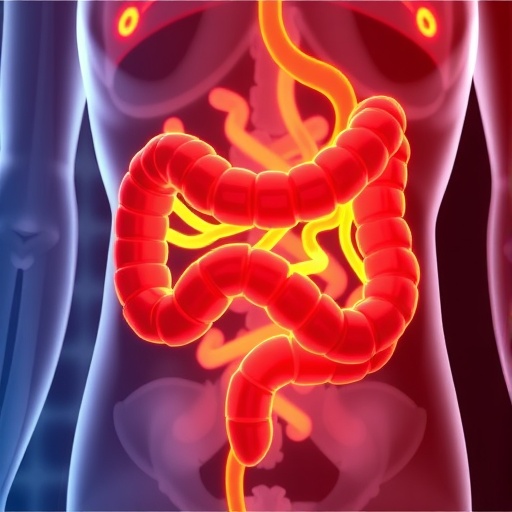
The invisible chemicals woven into the fabric of our homes, our electronics, and even the dust we breathe are under fresh scrutiny after a groundbreaking computational study mapped a sinister molecular connection between one of the most pervasive flame retardants on the planet and the relentless gut-wrenching misery of ulcerative colitis. For decades, polybrominated diphenyl ethers, and particularly the fully brominated congener known as BDE-209, have been globally deployed to slow the spread of flames in everything from television casings to upholstered furniture, building insulation, and automotive plastics. While their fire-safety benefits are tangible, a mounting body of epidemiological evidence has whispered of a darker legacy: persistent bioaccumulation, endocrine disruption, neurodevelopmental deficits, and now, a strikingly precise immunological sabotage of the intestinal mucosa. The new research, published in BMC Pharmacology and Toxicology, does not merely add another data point to this toxicological dossier; it leverages the entire armamentarium of network pharmacology, multi-source bioinformatics databases, and molecular docking simulations to trace, with algorithmic exactitude, how BDE-209’s molecular fingerprints might ignite the inflammatory cascade that defines ulcerative colitis. By systematically decoding the overlapping biological targets, the study transforms what was once a diffuse suspicion into a prioritized map of molecular signatures, offering both a mechanistic explanation and a springboard for therapeutic intervention.
Ulcerative colitis is an idiopathic, chronic inflammatory bowel disease characterized by continuous mucosal inflammation extending from the rectum proximally through the colon, manifesting as bloody diarrhea, abdominal pain, fatigue, and a profoundly diminished quality of life. Its etiology has long been understood as a complex interplay of genetic susceptibility, dysregulated immune responses, intestinal microbial dysbiosis, and environmental triggers, yet identifying specific environmental culprits has remained a stubborn epistemological challenge. The disease’s global incidence is rising at an alarming rate, particularly in newly industrialized regions where chemical exposures are accelerating, hinting that the modern built environment might be sowing the seeds of autoimmune destruction in the gut. While genome-wide association studies have flagged over 200 risk loci, the sheer heterogeneity of ulcerative colitis suggests that genetics alone is insufficient to account for its onset; a second hit from the environment is almost certainly required. In this context, the new investigation asks a provocative question: could a substance as ubiquitous as a flame retardant, found in the serum of over 90% of the population in some biomonitoring surveys, be that elusive second hit, silently priming the colonic epithelium for catastrophic immune activation? The answer, according to the intricate web of data assembled by Zhang, Zhang, Hu, and their colleagues, is a resounding and mechanistically detailed yes, and the implications stretch far beyond a single chemical-disease dyad.
To dissect this invisible axis of toxicity, the research team embarked on an ambitious computational journey that began not with cells or animal models, but with the vast digital repositories of biological information that now form the backbone of modern toxicological prediction. They first combed through the Comparative Toxicogenomics Database, the Search Tool for Interactions of Chemicals, and the SwissTargetPrediction platform to assemble a comprehensive library of 436 potential protein targets for BDE-209, identifying all the molecular players the chemical might engage within the human body. Simultaneously, they trawled the genetic underbelly of ulcerative colitis using the GeneCards suite, DisGeNET, and the Online Mendelian Inheritance in Man database, harvesting every gene that has ever been statistically or experimentally linked to the disease. The union of these two massive datasets yielded a Venn diagram of molecular convergence: a striking set of 77 overlapping targets where the promiscuous chemical’s reach and the disease’s genetic architecture intimately intersect. This overlap is not random noise but a statistically significant signal, a Rosetta Stone that begins to translate the environmental exposure into a cellular language of pathology, and the team immediately recognized that these 77 nodes represented the core molecular interface upon which the entire subsequent analysis would pivot.
With these prioritized targets in hand, the researchers constructed a protein–protein interaction network of exquisite complexity, transforming a list of genes into a topologically rich architecture of nodes and edges that reveals not just who interacts with whom but which proteins act as the critical linchpins of the entire system. Using the STRING database and Cytoscape visualization software, they mapped the interactome and then unleashed a suite of graph-theoretic algorithms—including degree, betweenness centrality, and closeness centrality metrics—to identify hub genes. These hubs are the molecular equivalents of major airport terminals; knock them offline, and the entire network collapses. The analysis yielded ten central commandeering proteins: the tumor suppressor TP53, the kinase SRC, the signal transducer STAT3, the apoptosis regulator BCL2, the growth factor receptor EGFR, and the inflammatory master switches TNF, IL-6, AKT1, HSP90AA1, and PTGS2. Each of these names is a heavyweight champion in the arena of cell survival, proliferation, immune signaling, and inflammatory responses, and their identification as shared targets provides an almost shockingly coherent narrative: BDE-209, through its physicochemical properties, appears capable of simultaneously tampering with the pathways that control epithelial cell fate, mucosal barrier integrity, and the cytokine storms that characterize active ulcerative colitis flares.
Venturing deeper into the functional semantics of these 77 overlapping targets, the team performed Gene Ontology enrichment analysis and Kyoto Encyclopedia of Genes and Genomes pathway mapping, revealing the theaters of war in which BDE-209 orchestrates its insidious campaign against colonic health. The biological processes most significantly enriched were overwhelmingly centered on oxidative stress responses, apoptosis regulation, and inflammatory signaling cascades—precisely the processes that, when dysregulated, transform a healthy colon into a battlefield of crypt abscesses and mucosal ulceration. The pathway enrichment painted an even more vivid picture: the hypoxia-inducible factor-1 signaling pathway, the PI3K-Akt axis, the p53 tumor suppressor pathway, and crucially, the tumor necrosis factor and nuclear factor kappa-light-chain-enhancer of activated B cells signaling cascades were all flagged with extreme statistical confidence. The nuclear factor kappa B pathway, in particular, is the quintessential conductor of the inflammatory orchestra in ulcerative colitis, governing the expression of hundreds of pro-inflammatory cytokines, chemokines, and adhesion molecules. The computational prediction that BDE-209’s targets cluster densely around this master regulator is akin to discovering that an arsonist’s fingerprints are on every matchbox found at the scene of a fire; it provides a mechanistic basis for how the chemical could initiate and perpetuate the chronic inflammation that defies conventional treatment.
To move from statistical enrichment to three-dimensional molecular truth, the study employed molecular docking, a computational technique that simulates the physical embrace between a small molecule like BDE-209 and the binding pockets of its protein targets with atomic-level precision. The docking experiments honed in on the ten hub genes, particularly TNF, whose central role in ulcerative colitis is so well-established that monoclonal antibodies targeting it, like infliximab, are blockbuster therapies. The docking scores, measured in binding energy units and strengthened by a comprehensive battery of intermolecular force analyses including van der Waals interactions, hydrophobic contacts, and hydrogen bonding profiles, demonstrated that BDE-209 could nestle into the active conformations of these proteins with affinities rivaling those of some designed pharmaceuticals. The binding pocket for TNF, for instance, accommodated the flame retardant’s bulky brominated diphenyl ether structure through a series of pi-alkyl interactions and halogen bonds, stabilizing the complex in a manner that could theoretically alter TNF’s signaling kinetics. This is not to say BDE-209 works exactly like a biological drug, but that its structural geometry is inherently capable of high-affinity interactions with the very proteins that sit at the apex of the ulcerative colitis inflammatory hierarchy, a finding that transforms the chemical from a vague risk factor into a defined molecular entity with predictable biological targets.
The implications of these findings ripple outward into the realms of public health, regulatory science, and clinical practice with the force of a paradigm shift. For the first time, a network toxicology approach has provided a prioritized list of molecular signatures that mechanistically connect a ubiquitous environmental pollutant to an idiopathic autoimmune disease, offering a template that could be replicated for countless other chemical-disease dyads currently shrouded in uncertainty. The study suggests that the 77 overlapping targets, and especially the ten hub genes, could serve as a panel of biomarkers for assessing an individual’s susceptibility to BDE-209-driven colitic processes, opening the door to a future where biomonitoring goes beyond merely measuring a chemical’s concentration in blood to evaluating its actual biological impact through molecular pathway activation signatures. From a therapeutic perspective, the identification of key nodes like AKT1, HSP90AA1, and the PI3K-Akt pathway suggests that inhibitors already in oncological pipelines might possess repurposing potential for environmentally triggered ulcerative colitis flares. The work also raises urgent questions about the adequacy of current chemical risk assessment frameworks, which typically evaluate toxicity through apical endpoints in animal studies rather than through the network-level perturbations that may initiate chronic human diseases over decades of low-dose exposure.
One of the most compelling aspects of the study lies in its validation strategy, which was not confined to in silico predictions but extended into the realm of real-world biological data through the analysis of publicly available gene expression datasets. The researchers retrieved ulcerative colitis transcriptomic profiles from the Gene Expression Omnibus, a repository of functional genomics data, and examined the expression levels of their prioritized targets in inflamed versus non-inflamed colonic tissue. The analysis confirmed that many of the hub genes, including TNF, IL-6, STAT3, and PTGS2, were significantly dysregulated in ulcerative colitis mucosa, with expression patterns that aligned perfectly with the pro-inflammatory and anti-apoptotic axes predicted by the network model. This convergence of computational prediction and empirical gene expression data provides a powerful triangulation, ensuring that the targets identified are not merely theoretical constructs but are actively involved in the disease pathology of actual patients. Furthermore, the team constructed a BDE-209-target-disease regulatory network that integrates transcription factors and microRNAs, revealing upstream regulatory layers where the chemical might exert its influence by altering the expression of non-coding RNAs that govern the stability and translation of inflammatory messengers. The inclusion of microRNAs like miR-146a and miR-155, both known rheostats of innate immune signaling, adds an epigenetic dimension to the toxicological model, suggesting that BDE-209’s effects may be propagated and amplified long after the initial exposure event.
The study’s methodology is a masterclass in the application of systems biology to toxicology, yet the authors are careful to delineate its boundaries and the necessary next steps that must be taken before these findings can be translated into clinical or regulatory action. Every in silico prediction, no matter how statistically robust or energetically favorable, must ultimately face the crucible of experimental validation in cellular and animal models. The molecular docking results, while suggestive, require orthogonal biophysical confirmation through techniques like surface plasmon resonance or isothermal titration calorimetry to prove that BDE-209 binds these targets with the predicted affinity inside a living system. The hub gene signatures identified here need to be tested prospectively in cohort studies that correlate BDE-209 body burdens with the expression of these proteins in colonic biopsies and with the subsequent risk of developing ulcerative colitis. There is also the critical question of dose relevance: many toxicological responses follow non-monotonic curves, where low concentrations may activate entirely different pathways than high concentrations, and future work must establish whether the molecular interactions observed in silico and in vitro manifest at the parts-per-billion levels found in human tissues. The researchers explicitly call for integrated approaches that combine their network framework with organoid-based gut-on-a-chip models, where the precise concentrations of BDE-209 can be titrated and the real-time consequences for epithelial permeability, cytokine secretion, and immune cell recruitment can be directly observed under a microscope.
Moving beyond the immediate BDE-209 ulcerative colitis axis, this investigation illuminates a broader existential crisis in how modern societies conceptualize and regulate the chemical tapestry that surrounds us. BDE-209 was voluntarily phased out or banned in many jurisdictions over a decade ago, yet its extraordinary environmental persistence—with a half-life measured in years in sediments and human tissues—means that the exposures of the past continue to haunt the biology of the present, and the products still in use bleed the chemical into house dust on a daily basis. The concept that a persistent organic pollutant could be a molecular mimic, a structural key that jams itself into the locks of inflammatory signaling pathways and twists them into a pathological state, forces a reevaluation of the linear cause-and-effect models that underpin toxicological risk assessment. The network toxicology paradigm advanced by this study treats the human body not as a collection of isolated organs and enzymes but as an integrated, scale-free biological network where a single promiscuous chemical can trigger a cascade of effects that ultimately manifests as a complex, chronic disease with a latency of decades. This is the sort of scientific detective work that connects the dots between the synthetic chemistry of our material world and the epidemiological transitions in disease patterns, and it demands that we start paying attention to the molecular dialogue between our possessions and our proteomes.
The computational pipeline itself represents a democratization of toxicological insight, as it wrings actionable knowledge from existing public databases without the need for the prohibitively expensive and ethically fraught animal experiments that dominate traditional chemical safety testing. By harmonizing the Comparative Toxicogenomics Database with gene-disease association libraries and cutting-edge protein interaction networks, the team has effectively created a reusable, open-source blueprint that can be deployed against any chemical of concern and any idiopathic disease with a suspected environmental component. One could easily envision a future iteration of this workflow integrating deep learning-based predictions of chemical-protein interactions, single-cell transcriptomic atlases of the human colon, and polygenic risk scores to identify particularly vulnerable subpopulations who carry genetic variants in the very hub genes that BDE-209 perturbs. The study’s revelation that key inflammatory transcription factors like NF-κB and JAK-STAT are the conduits through which a flame retardant may ignite colitis also opens a window into understanding why some patients respond exquisitely to biologic therapies like JAK inhibitors while others derive no benefit; the environmental priming of these pathways could well determine therapeutic responsiveness, a hypothesis that deserves to be tested in clinical cohorts stratified by body burdens of persistent organic pollutants.
Amid the dense thicket of bioinformatics and molecular biology, the human dimension of this research remains poignantly clear. Ulcerative colitis is a disease that afflicts millions globally, often striking in the prime of life and locking patients into cycles of hospitalizations, immunosuppressive regimens, and colectomies. For those living with the daily unpredictability of their own bowels, the idea that an invisible chemical passenger from a couch, a computer, or a nursery mattress might have lit the fuse of their illness is both terrifying and galvanizing. It reframes the narrative of chronic disease away from opaque genetic lottery and toward a preventable intersection of environmental policy, industrial design, and individual health. The study from Zhang and colleagues does not offer a silver bullet for curing colitis, but it hands the medical and scientific communities a high-resolution molecular map that could guide the development of environmental exposure biomarkers, new anti-inflammatory strategies that target the specific pathways activated by BDE-209, and chemical structure-activity relationship models to design inherently safer flame-retardant molecules that do not engage the immune system’s inflammatory machinery. In this sense, the work is as much a public health intervention as it is a work of pure science, a clarion call to realize that the chemicals we have invited into our most intimate domestic spaces may be rewriting our immune narratives in ways we are only beginning to decode.
The publication of these findings in a peer-reviewed pharmacology and toxicology journal in 2026 places them squarely within a rapidly maturing field that is increasingly embracing complexity and systems-level thinking. The integration of cheminformatics, structural biology, network science, and clinical omics data under a single analytical roof is no longer a futuristic aspiration but a tangible, executable reality, and studies like this one are the vanguard of a new discipline that might be termed “digital environmental health.” The reaction from the scientific community will likely be twofold: a surge of interest in replicating the network framework for other prevalent environmental contaminants such as per- and polyfluoroalkyl substances, phthalates, and organophosphate esters, and a renewed urgency in the clinician-scientist community to incorporate environmental exposure histories into the diagnostic workup of inflammatory bowel disease with the same rigor that they currently apply to infectious agents. The researchers also hint at the potential for developing a network-based exposome risk score, a quantitative metric that combines chemical exposures weighted by their predicted protein target disruptions to forecast an individual’s inflammatory disease trajectory, a concept that, if validated, could revolutionize preventive gastroenterology.
As the world grapples with an accelerating burden of immune-mediated diseases that outpace genetic explanations, studies that bridge the seemingly disparate domains of synthetic chemistry and mucosal immunology become indispensable. The BDE-209 story, as told through the intricate computational narrative of this paper, is ultimately a cautionary tale about technology’s unintended biological entanglements, a tale reminiscent of the DDT era and the lessons of endocrine disruption, but with a far more granular resolution that gets down to the level of specific hydrogen bonds and hydrophobic pockets. The flame retardant was designed to quench infernos; instead, it appears capable of kindling a slow-burning molecular inferno inside the colon. The elegance of the network toxicology approach is that it not only illuminates this specific connection but also provides the tools to ask the same question for any of the tens of thousands of industrial chemicals currently in use whose biological targets remain entirely unknown. In a world saturated with synthetic molecules, this kind of predictive, systems-based toxicology is not merely an academic exercise; it is an essential compass for navigating the chemical landscape we have built and for reclaiming some measure of molecular sovereignty over our own health.
The meticulous work performed by Zhang, Zhang, Hu, and their colleagues stands as a testament to the power of open science and data integration, drawing entirely upon publicly accessible databases and computational tools that any research group with sufficient expertise can freely access and employ. This transparency ensures that the findings are fully reproducible and that the framework can be rapidly deployed and adapted by the global community to investigate other pressing environmental health questions. The identification of the ten hub targets—TNF, IL6, AKT1, SRC, STAT3, TP53, EGFR, BCL2, HSP90AA1, and PTGS2—as the central nodes of the BDE-209-ulcerative colitis interface now provides a clear list of candidates for further drug discovery efforts focused on environmental-attributable disease. Pharmaceutical chemists might screen existing libraries for small molecules that can safely displace BDE-209 from these binding pockets or that can restore the downstream signaling balance without causing the broad immunosuppression that makes current colitis treatments a double-edged sword. The study thus serves as both a diagnostic device for identifying toxicological risk and a therapeutic roadmap for mitigating it, a dual-purpose achievement that elevates the field of computational toxicology from a descriptive to a prescriptive science.
The environmental persistence of BDE-209 adds a temporal urgency to all of these considerations, because even if global production ceased entirely tomorrow, the existing reservoir in indoor dust, soil, sediments, and the fatty tissues of virtually every human being on Earth would continue to drive exposure for generations. The flame retardant’s propensity to bioaccumulate and biomagnify means that the conversation initiated by this paper is not a fleeting one; it is a long-term engagement with the consequences of a material choice made decades ago that has now been computationally linked to one of the most debilitating chronic diseases of modern civilization. Regulatory bodies like the European Chemicals Agency and the U.S. Environmental Protection Agency, which have historically assessed risks based on carcinogenicity, reproductive toxicity, and acute lethality, may need to formally incorporate network-level perturbation metrics into their decision-making frameworks to capture the kinds of chronic, non-cancer endpoints that this study highlights. The paper from BMC Pharmacology and Toxicology adds significant weight to the argument that the immune system, and particularly the mucosal immune system of the gut, is a primary target of environmental chemical exposure, and that our regulatory frameworks must evolve to protect it.
Looking ahead, the next frontier for this research will involve the integration of multi-omics data from well-characterized human cohorts where both BDE-209 exposure levels and ulcerative colitis status are known, including proteomics, metabolomics, and gut microbiome metagenomics, to triangulate the network predictions with the full biological reality inside the human body. The current study identifies the static network, but inflammation is a dynamic process; future iterations could employ time-series gene expression data and causal inference algorithms to model how BDE-209 exposure initiates a temporal cascade from oxidative stress to epithelial barrier breakdown to the recruitment of innate immune cells and eventually to the adaptive immune response that characterizes chronic colitis. Such dynamic models could also predict critical windows of intervention—perhaps a narrow therapeutic timeframe after initial exposure when the removal of the chemical or the blockade of a specific hub kinase could abort the development of full-blown disease. The computational infrastructure for this next step already exists; what is needed is the will and the funding to apply it in a dedicated translational research program that takes these in silico leads all the way to patient impact, and the publication of the current study provides a powerful scientific rationale for exactly that endeavor.
In the final analysis, the prioritization of molecular signatures linking BDE-209 to ulcerative colitis is more than a research article; it is a manifesto for a new kind of toxicological inquiry, one that respects the interconnectedness of biological systems and the lifelong, low-dose realities of modern chemical exposures. The flame retardant that once promised safety now stands accused, through a formidable array of digital evidence, of fomenting inflammatory chaos in the gut, and while the legal and regulatory consequences will play out over years, the scientific verdict is increasingly clear: the molecular fingerprints are all over the crime scene. This study represents a triumph of computational biology over the traditional limitations of toxicology, and it sends a clear message to the public that the chemicals in their daily environment are not inert passengers but active participants in the complex molecular conversations that maintain health or kindle disease. The story of BDE-209 and ulcerative colitis is far from complete, but the map provided by this team gives us, for the first time, a clear view of the terrain and a compass bearing toward a future where diseases of unknown cause finally yield their secrets to the combined power of big data and molecular insight.
Zhang, Y., Zhang, H., Hu, D. et al. Prioritization of molecular signatures between BDE-209-relevant targets and ulcerative colitis: a network toxicology and bioinformatics analysis. BMC Pharmacol Toxicol (2026). https://doi.org/10.1186/s40360-026-01170-8
Cite Scienmag News
Ophelia Keating. (July 6, 2026). Flame retardant BDE-209 targets molecularly linked to ulcerative colitis. Scienmag. https://scienmag.com/flame-retardant-bde-209-targets-molecularly-linked-to-ulcerative-colitis/
Ophelia Keating. "Flame retardant BDE-209 targets molecularly linked to ulcerative colitis." Scienmag, 6 July 2026, https://scienmag.com/flame-retardant-bde-209-targets-molecularly-linked-to-ulcerative-colitis/. Accessed 4 September 2026.
Ophelia Keating. "Flame retardant BDE-209 targets molecularly linked to ulcerative colitis." Scienmag. July 6, 2026. https://scienmag.com/flame-retardant-bde-209-targets-molecularly-linked-to-ulcerative-colitis/


