


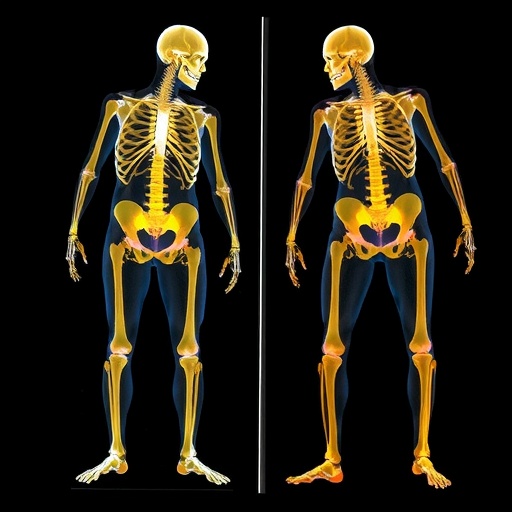
Emerging research from the UK Biobank has illuminated a groundbreaking link between allergic diseases and the risk of developing osteoporosis and major osteoporotic fractures in older adults, a discovery that could reshape preventive healthcare strategies for aging populations. This prospective cohort study, encompassing a substantial sample of aging individuals, scrutinized hospital records to uncover associations that have long eluded the medical community’s comprehensive understanding. The investigation, led by researchers Peng, C., Chen, B., Chen, Z., and colleagues, and slated for publication in BMC Geriatrics, dives deep into the interface of immunology and bone health.
Osteoporosis, a condition characterized by the weakening of bones and increased fracture risk, predominantly affects older adults, often leading to debilitating consequences. While traditional risk factors such as age, gender, hormonal changes, nutrition, and physical activity have been extensively studied, this novel research spotlights allergic diseases—such as asthma, eczema, and hay fever—as critical, yet previously underappreciated, contributors to bone fragility. The study design, prospective in nature, allowed for a longitudinal assessment, capturing the development of osteoporosis and fractures over time in individuals without prior bone disease.
The analyses leveraged a robust dataset from the UK Biobank, encompassing tens of thousands of participants aged 60 and above, making it one of the most extensive research efforts into the immunological influences on skeletal health. By systematically cross-referencing individuals with documented allergic conditions against hospital records of diagnosed osteoporosis and incidents of fracture, the investigators identified statistically significant correlations with compelling clinical implications.
Perhaps most intriguingly, the study delineated specific types of allergic diseases that demonstrated a heightened propensity to increase osteoporosis risk. The findings underscored that chronic inflammatory states triggered by allergic responses may accelerate bone resorption processes, thereby diminishing bone density. This biologically plausible mechanism hatches from the interplay of immune mediators such as cytokines and histamines, which are abundant in persistent allergic reactions and are known to influence osteoclast activity—the cell type responsible for bone breakdown.
The research draws attention to the systemic nature of allergic diseases, which extend beyond localized symptoms and have far-reaching consequences on skeletal integrity. It suggests that the persistent immune activation characteristic of allergies creates a pro-inflammatory milieu detrimental to bone remodeling balance. In normal physiology, bone undergoes continuous remodeling via a delicate equilibrium between osteoblasts, which build bone, and osteoclasts, which resorb bone. Allergic inflammation appears to disrupt this equilibrium, tipping the scale toward bone loss.
Importantly, the study revealed that not only do these allergic conditions correlate with incident osteoporosis, but they also significantly raise the risk of major osteoporotic fractures, including fractures of the hip, spine, and wrist. These fracture types are notorious for their association with severe morbidity, reduced quality of life, and increased mortality in older populations. Hence, the identification of allergy as a risk factor holds profound significance for fracture prevention.
Another compelling dimension of the study involved stratifying risk based on the severity and duration of allergic diseases. Individuals with chronic, severe allergic manifestations exhibited a notably greater risk of osteoporosis and fractures compared to those with milder or episodic allergies. This dose-response relationship reinforces the argument for clinical vigilance in monitoring bone health among allergic patients, particularly those with longstanding or poorly controlled conditions.
The study further explored the potential implications of allergy treatments on bone health outcomes. While some anti-allergic medications, such as corticosteroids, are well-documented to negatively impact bone density, the investigation sought to disentangle the effects of the diseases themselves from those of their treatments. Even after accounting for corticosteroid usage, allergic diseases independently predicted increased osteoporosis risk, suggesting that the underlying immune dysregulation plays a pivotal role.
From a public health perspective, these findings carry critical weight. With the global rise in allergic disease prevalence and an aging population at increased risk of osteoporosis, understanding this intricate association may shift preventive approaches. Health practitioners might integrate allergy screening into osteoporosis risk assessments and develop integrated management plans that concurrently address immune and skeletal health.
Moreover, this research places renewed emphasis on the immune system’s influence on bone biology, an area garnering escalating scientific interest. The concept of osteoimmunology—a field studying the interplay between the immune system and skeletal system—has evolved substantially, and this study adds another cornerstone by establishing real-world epidemiological evidence linking allergic immune responses to bone fragility.
Preventive strategies emerging from these findings could be multifaceted. They might include rigorous control of allergic inflammation through tailored therapies, lifestyle modifications enhancing bone strength, and vigilant monitoring for early signs of osteoporosis in allergic populations. These integrated approaches could substantially reduce the incidence of debilitating fractures and enhance health outcomes among older adults.
Furthermore, the study sets the stage for future research to investigate molecular pathways that mediate the allergy-bone interaction. Understanding these pathways at the cellular and genetic levels could pave the way for innovative therapeutic targets, potentially offering novel interventions that simultaneously mitigate allergic inflammation and prevent bone loss.
In an era where personalized medicine is gaining momentum, the ability to identify older adults at heightened risk of osteoporosis based on their allergic disease profile could allow more precise, individualized risk stratification. This would enable healthcare providers to allocate resources more efficiently and to tailor interventions that address the unique immunological and skeletal needs of each patient.
The insights from the UK Biobank cohort also highlight the importance of longitudinal data collection in understanding chronic disease interplay. By following participants over extended periods, researchers could ascertain temporal relationships and causality cues that cross-sectional studies simply cannot provide, thus enhancing the robustness and clinical relevance of the findings.
As the medical community digests these revelations, patients suffering from allergic diseases may soon be advised to consider bone health assessments as part of their routine care. This paradigm shift reinforces the concept that health is inherently interconnected, and managing one condition cannot be siloed from its systemic ramifications.
In summary, this landmark investigation conducted by Peng et al. uncovers a compelling association between allergic diseases and increased risks of osteoporosis and major fractures in older adults. The potential mechanisms, clinical implications, and future research pathways illuminated by this study herald a new chapter in understanding how immune dysregulation can reverberate through the skeletal system, profoundly impacting health and quality of life in aging populations.
Cite Scienmag News
Ophelia Keating. (June 5, 2026). Allergic Diseases Linked to Osteoporosis, Fractures in Elderly. Scienmag. https://scienmag.com/allergic-diseases-linked-to-osteoporosis-fractures-in-elderly/
Ophelia Keating. "Allergic Diseases Linked to Osteoporosis, Fractures in Elderly." Scienmag, 5 June 2026, https://scienmag.com/allergic-diseases-linked-to-osteoporosis-fractures-in-elderly/. Accessed 3 September 2026.
Ophelia Keating. "Allergic Diseases Linked to Osteoporosis, Fractures in Elderly." Scienmag. June 5, 2026. https://scienmag.com/allergic-diseases-linked-to-osteoporosis-fractures-in-elderly/


