


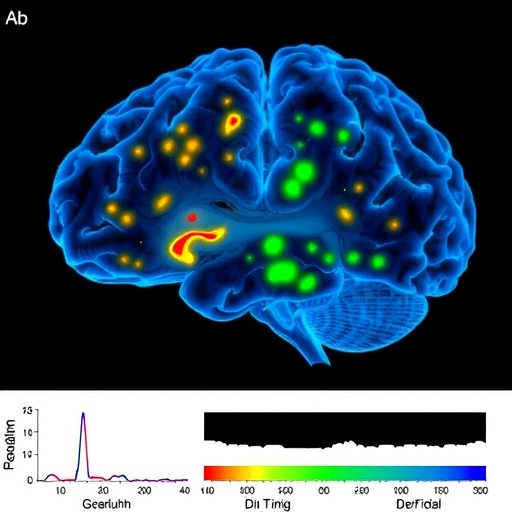
The brain, a marvel of complexity and resilience, continues to astound neuroscientists as new research reveals intricate cellular mechanisms underlying its response to injury. A groundbreaking study published recently in Nature Communications brings to light unprecedented insights into how human brains react to severe traumatic brain injury (TBI). Through cutting-edge single-nucleus analysis, the study uncovers a unique feature of human oligodendrocytes—cells critical for neural insulation—and highlights both specific and conserved neuronal responses following trauma. These findings promise to reshape our understanding of brain injury pathophysiology and could pave the way for innovative therapeutic strategies.
Traumatic brain injury has long posed a formidable challenge to clinicians and researchers alike. Despite advances in diagnostic and supportive care, the cellular and molecular underpinnings of brain response to injury remain elusive, impeding the development of targeted treatments. Traditional approaches, often focusing on broad brain regions or whole tissue analysis, have masked subtle but vital cellular dynamics. This new research employs single-nucleus RNA sequencing to dissect the transcriptomic landscape at the resolution of individual cell types, providing a refined and unprecedented window into the brain’s internal response to severe injury.
The study’s focal point is oligodendrocytes, specialized glial cells responsible for producing myelin—the insulating sheath that facilitates rapid electrical conduction along neuronal axons. Remarkably, the researchers discovered that human oligodendrocytes demonstrate a distinct polarization pattern post-injury, a feature that appears to be specific to humans and absent or significantly different in other mammals studied. This human-specific oligodendrocyte polarization may have profound implications for how the brain attempts to repair or reorganize its circuitry following trauma.
Polarization in this context refers to the structural and functional asymmetry that these cells adopt during the post-injury response. This process appears to be orchestrated by selective gene expression changes within oligodendrocytes, suggesting an intrinsic adaptation mechanism. The exact stimulus triggering this polarization remains to be fully elucidated, but the study hypothesizes that injury-induced signals, such as inflammatory mediators or altered intercellular communication, may drive this unique response. The polarization could impact the cells’ ability to remyelinate damaged axons or modulate the immune microenvironment in the injured brain.
Concurrently, the research identifies conserved neuronal responses across species after severe TBI. While oligodendrocytes exhibit human-specific adaptations, neurons demonstrate a set of gene expression changes that are remarkably conserved whether in human or model organisms. This duality highlights a complex interplay between specialized human cellular behaviors and evolutionarily preserved injury responses. Neuronal changes post-TBI mainly encompass stress response pathways, synaptic remodeling, and metabolic shifts, which align with known neuroprotective and reparative processes.
Utilizing single-nucleus RNA sequencing facilitates capturing this nuanced cellular mosaic. Unlike whole-cell sequencing, this method isolates nuclei, offering advantages in post-mortem or injured brain tissue where cytoplasmic integrity may be compromised. It allows precise classification of cell subtypes and states, unveiling the complexity of cellular responses that conventional methods would miss. High-throughput single-nucleus transcriptomics thus becomes a powerful lens through which the brain’s cellular heterogeneity and injury adaptations become visible.
The implications of human-specific oligodendrocyte polarization extend beyond basic understanding. Oligodendrocyte dysfunction has been implicated in a variety of neurological disorders, including multiple sclerosis and leukodystrophies. Discovering a specialized response mechanism unique to humans suggests differential susceptibilities and repair capacities that could influence clinical outcomes after brain injury. Moreover, it raises the question of whether current animal models sufficiently recapitulate key aspects of human brain pathophysiology, urging a reconsideration of translational approaches in neurotrauma research.
The study also hints at prospective therapeutic windows. If oligodendrocyte polarization serves a reparative or protective role, interventions aimed at enhancing or modulating this process could accelerate recovery or prevent secondary damage. Conversely, if the polarized state contributes to maladaptive inflammation or scarring, targeted strategies could inhibit harmful consequences. Understanding the molecular triggers and downstream effectors of this polarization will be crucial for drug development efforts.
Aside from oligodendrocytes, neurons show a robust yet conserved suite of adaptive gene expression responses to TBI. These include activation of heat shock proteins, modulation of neurotransmitter receptors, and shifts in energy metabolism pathways, collectively supporting neuronal survival and circuit reorganization. The conservation of these patterns across species underlines fundamental principles of neuronal resiliency and suggests that therapeutics supporting these endogenous mechanisms might have broad applicability.
Importantly, this research underscores the value of examining human tissues directly despite the logistical and ethical challenges involved. By integrating human post-mortem samples with parallel animal model data, the researchers bring clarity to which cellular responses are evolutionary conserved and which are uniquely human. Such studies can reconcile discrepancies that often arise when translating basic science discoveries into clinical practice.
Furthermore, the use of advanced bioinformatics and machine learning methodologies enables the disentanglement of complex transcriptomic datasets. Clustering algorithms, trajectory analyses, and gene regulatory network reconstructions elucidate lineage relationships and cellular dynamics during injury response. These computational tools are indispensable in mapping the cellular state transitions that accompany brain injury and recovery, creating a roadmap for future investigations.
Another notable aspect of the study is its focus on severe TBI, a particularly devastating condition associated with prolonged disability and mortality. While mild and moderate TBIs also command attention due to their prevalence and cumulative effects, unraveling the cellular pathophysiology in severe cases is critical for developing life-saving interventions. The insights gained here set a foundation for comparative analyses across injury severities and may inform personalized therapeutic strategies.
In sum, this pioneering work integrates cutting-edge single-nucleus profiling with deep biological insight to redefine our understanding of human brain injury responses. The discovery of unique oligodendrocyte behaviors alongside conserved neuronal adaptations provides a nuanced framework for interpreting brain repair and dysfunction. As neuroscience ventures further into the realm of cellular precision, such studies illuminate pathways not only of damage but also of resilience and hope.
Looking ahead, continued exploration of how oligodendrocyte polarization influences myelination, immune modulation, and axon integrity in the post-injury brain will be paramount. Collaborative efforts between experimental neuroscience, clinical neurology, and computational biology are essential for translating these molecular insights into tangible improvements in patient care. The intersection of human-specific biology with conserved mechanisms opens fertile ground for next-generation neurotherapeutics tailored to the complexities of the injured human brain.
This landmark research elevates the conversation about traumatic brain injury beyond generalized injury mechanisms to a cellular interplay that is as intricately honed as the organ it affects. As the tapestry of post-injury brain dynamics becomes clearer, we edge closer to breakthroughs capable of reducing the toll of brain trauma worldwide. The future of brain injury treatment lies not only in generalized neuroprotection but in harnessing the subtle and distinctive cellular symphony revealed in this seminal study.
Cite Scienmag News
Cassandra Pierce. (May 28, 2026). Human Oligodendrocyte Polarization Post-Severe Brain Injury. Scienmag. https://scienmag.com/human-oligodendrocyte-polarization-post-severe-brain-injury/
Cassandra Pierce. "Human Oligodendrocyte Polarization Post-Severe Brain Injury." Scienmag, 28 May 2026, https://scienmag.com/human-oligodendrocyte-polarization-post-severe-brain-injury/. Accessed 4 September 2026.
Cassandra Pierce. "Human Oligodendrocyte Polarization Post-Severe Brain Injury." Scienmag. May 28, 2026. https://scienmag.com/human-oligodendrocyte-polarization-post-severe-brain-injury/


