


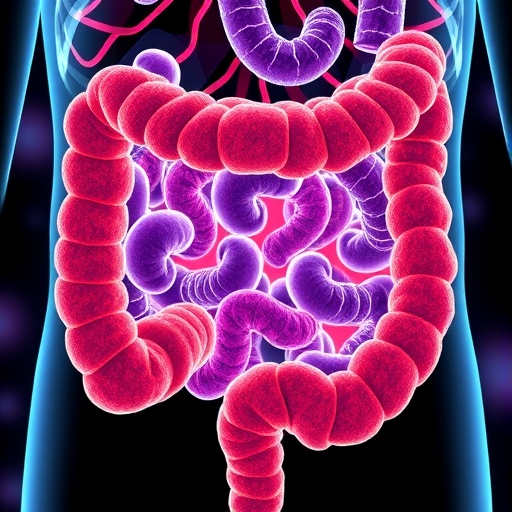
In a groundbreaking advance poised to redefine therapies for inflammatory bowel diseases, researchers have unveiled a novel synergistic treatment that reprograms the gut microenvironment to combat acute severe ulcerative colitis. Published recently in Nature Communications, this study pioneers the combined use of necroptosis inhibition alongside organoid transplantation, revealing a promising pathway to halt devastating intestinal inflammation and foster tissue regeneration.
Ulcerative colitis (UC) represents a chronic autoimmune disorder characterized by relentless inflammation and ulceration of the colon’s lining, often leading to severe complications and compromised patient quality of life. Current treatments largely rely on immunosuppressive drugs and biologics that provide symptom relief but fail to restore the intricate cellular landscape of the gut or prevent relapse in many cases. The therapeutic paradigm must therefore evolve to target the fundamental pathological processes sustaining mucosal injury and impaired healing.
Central to this new strategy is the modulation of necroptosis, a form of programmed necrotic cell death distinct from apoptosis but equally influential in driving intestinal barrier disruption and inflammation. While apoptosis plays a key role in homeostasis and controlled cell turnover, necroptosis unleashes potent pro-inflammatory signals that exacerbate tissue damage during acute flares of UC. By pharmacologically blocking key mediators of necroptosis, the researchers aimed to halt this vicious cycle of inflammation and epithelial breakdown.
However, simply inhibiting cell death was not sufficient to restore normal gut function. The colon’s mucosal architecture requires a dynamic and healthy population of epithelial cells capable of robust regeneration. To address this, the team employed transplantation of gut organoids—miniature, three-dimensional tissue cultures derived from stem cells that recapitulate many aspects of native intestinal epithelium. These organoids serve as a renewable source of functional epithelial cells to repopulate damaged mucosa and reinforce the intestinal barrier.
The authors meticulously analyzed the gut microenvironment in acute severe UC models, revealing a hostile milieu dominated by inflammatory cytokines, immune cell infiltration, and extensive necroptosis-driven damage. When necroptosis was pharmacologically blocked, a notable reduction in pro-inflammatory signaling and tissue injury was observed. Yet, the epithelial layer remained insufficiently restored without additional intervention.
Upon coupling necroptosis blockade with organoid transplantation, a remarkable synergy emerged. The engrafted organoids integrated seamlessly into the recipient tissue, accelerating mucosal healing and reinstating epithelial integrity. This dual approach effectively recalibrated the damaged microenvironment from a state of chronic inflammation and tissue destruction into one favorable for regeneration and long-term remission.
Comprehensive histological and molecular analyses confirmed that the transplanted organoids not only replaced lost epithelial cells but also secreted vital factors that modulated immune function and promoted angiogenesis. This dynamically reshaped the niche, enhancing cellular crosstalk essential for durable tissue repair. The study further demonstrated that necroptosis inhibition reduced fibroblast activation and fibrosis, preventing excessive scarring that often complicates UC progression.
The implications of these findings extend beyond ulcerative colitis to a broader spectrum of inflammatory and degenerative diseases where dysregulated cell death and defective tissue repair are pathognomonic. The researchers posit that targeted manipulation of cell death pathways combined with regenerative medicine techniques could revolutionize therapeutic frameworks, enabling durable remission rather than fleeting symptom control.
Of particular note, the choice of organoids derived from autologous or allogeneic sources opens avenues for personalized medicine. Patient-specific organoids could mitigate immune rejection while capitalizing on inherent regenerative capacities, thereby tailoring therapy to individual disease phenotypes and genetic backgrounds. This integration of cutting-edge stem cell biology with cellular immunomodulation exemplifies the future trajectory of precision gastroenterology.
Challenges remain before widespread clinical translation can occur. Optimization of organoid engraftment protocols, scaling production under Good Manufacturing Practice (GMP) conditions, and ensuring long-term safety are critical next steps. Moreover, delineating the exact molecular cascades by which necroptosis drives UC pathogenesis can unearth novel drug targets, potentially enhancing the efficacy and specificity of blockade agents.
The study employed advanced imaging modalities and single-cell transcriptomics to map cellular dynamics post-treatment, offering unprecedented insight into how the gut ecosystem recalibrates under this dual therapy. This multi-dimensional characterization underscores the importance of systems biology approaches in unraveling complex disease mechanisms and therapeutic responses.
In the broader context of gut microbiota research, reprogramming the intestinal microenvironment could influence microbial composition and function, further contributing to therapeutic success. Future investigations may explore how organoid transplantation and necroptosis inhibition affect host-microbe interactions, potentially fostering a mutually beneficial microbiome that supports intestinal resilience.
This innovative research marks a transformative milestone in ulcerative colitis management, shifting paradigms from mere inflammation suppression to holistic restoration of gut homeostasis. By targeting the destructive cell death pathways while replenishing epithelial cells through organoids, it envisions a future wherein patients achieve genuine healing and regain full intestinal function.
As this therapeutic approach moves toward clinical trials, it holds promise to drastically reduce reliance on lifelong immunosuppressants, lower complication rates, and improve patient outcomes. The collaborative synergy between cellular biology, immunology, and regenerative medicine epitomized in this work signals a new epoch for inflammatory bowel disease treatment.
Ultimately, the convergence of necroptosis blockade and organoid transplantation offers a beacon of hope for millions suffering from ulcerative colitis and related disorders. This strategy exemplifies the innovative potential of reprogramming disease microenvironments to unlock endogenous regenerative capacities and achieve sustained remission in chronic inflammatory diseases.
Cite Scienmag News
Ophelia Keating. (May 13, 2026). Gut Microenvironment Reprogrammed to Treat Severe Ulcerative Colitis. Scienmag. https://scienmag.com/gut-microenvironment-reprogrammed-to-treat-severe-ulcerative-colitis/
Ophelia Keating. "Gut Microenvironment Reprogrammed to Treat Severe Ulcerative Colitis." Scienmag, 13 May 2026, https://scienmag.com/gut-microenvironment-reprogrammed-to-treat-severe-ulcerative-colitis/. Accessed 3 September 2026.
Ophelia Keating. "Gut Microenvironment Reprogrammed to Treat Severe Ulcerative Colitis." Scienmag. May 13, 2026. https://scienmag.com/gut-microenvironment-reprogrammed-to-treat-severe-ulcerative-colitis/


