


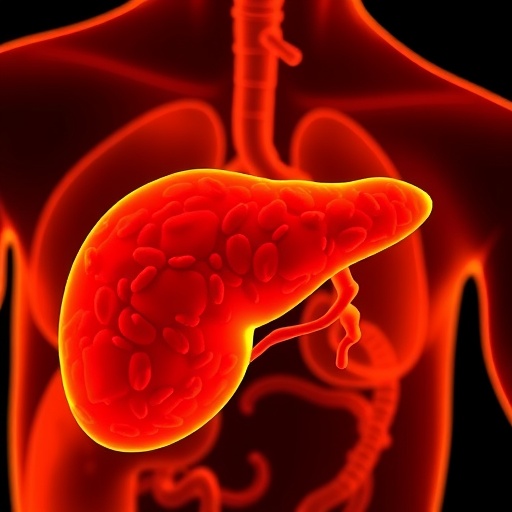
Metabolic dysfunction-associated steatotic liver disease (MASLD) and the encompassing category of steatotic liver disease (SLD) are emerging as critical public health challenges with alarming prevalence worldwide. Traditionally, clinical practice has approached the diagnosis, prevention, and treatment of these disorders with broad, undifferentiated strategies that largely disregard age-specific nuances, thereby risking suboptimal outcomes. However, a profound shift is underway toward recognizing the unique metabolic and physiological dynamics that unfold throughout the human lifespan—from the in utero environment and early infancy to the complexities of advanced age. This paradigm shift is critically important, as liver health is intricately linked to metabolic well-being and is significantly influenced by genetics, environment, and lifestyle factors that manifest differently depending on chronological age.
The latest comprehensive review by Zelber-Sagi and colleagues, published in Nature Reviews Gastroenterology & Hepatology, illuminates the necessity of adopting lifespan approaches for the prevention and management of steatotic liver disease. Their insightful analysis underscores that metabolic health—and by extension, hepatic health—is not solely a concern of adult life but is in fact established from the earliest stages, including fetal development. This has pivotal implications for public health policy, clinical guidelines, and individual patient management, demanding a more nuanced, age-tailored intervention framework.
Research shows that the metabolic programming occurring during pregnancy sets a foundational blueprint that can predispose offspring to liver diseases decades later. Maternal diet, metabolic syndrome, obesity, and gestational diabetes significantly influence fetal liver development, potentially predisposing the fetus to future hepatic steatosis and metabolic disruptions. These findings advocate that interventions aimed solely at adults may miss a critical prevention window. Therefore, prenatal and perinatal care must embrace liver health as a central concern, incorporating lifestyle and nutritional guidance to modulate metabolic trajectories right from conception.
Infancy and early childhood constitute another essential period in which liver health can be dynamically influenced. Rapid physiological growth phases, coupled with environmental exposures and dietary transitions, such as the introduction of solid foods, represent windows of plasticity where metabolic pathways and hepatic function consolidate. Lifestyle interventions tailored to this stage, emphasizing balanced nutrition and physical activity supportive of healthy development, carry the potential to mitigate early onset of steatotic changes, ultimately reducing disease prevalence in later life.
Transitioning from early life to adulthood, the complexity of steatotic liver disease management intensifies. Adult guidelines historically advocate homogeneous lifestyle modifications, primarily weight loss through caloric restriction and increased physical activity. While these recommendations are broadly efficacious, they arguably neglect heterogeneity inherent to age subgroups, sex, genetic predispositions, and socio-environmental contexts. For instance, pregnancy introduces unique metabolic demands, alongside hormonal shifts and altered nutrient requirements, which dictate personalized interventions to safely improve liver outcomes without compromising fetal health.
In women of reproductive age, hormonal fluctuations, polycystic ovary syndrome, and pregnancy-related metabolic changes present distinct challenges in managing MASLD. Strategies must account for these factors alongside psychosocial support, as stress and mental health significantly impact metabolic control and adherence to lifestyle plans. Family involvement and education are pivotal during this phase to cultivate supportive environments that enhance the effectiveness of tailored interventions.
As individuals progress into older adulthood, the pathophysiology of steatotic liver disease becomes further complicated by an accumulation of comorbidities such as sarcopenia, insulin resistance, and vascular disease. Age-related declines in metabolic rate and physical capacity necessitate adaptations in therapeutic goals and modalities. Weight loss strategies, for example, may need to be moderated to preserve muscle mass and functional status. Additionally, polypharmacy and altered drug metabolism in older adults require vigilant clinical oversight to minimize adverse effects while optimizing liver health.
Psychological, environmental, and social determinants interlace with biological factors across all life stages but exhibit changing patterns as individuals age. Early life social deprivation may set the stage for metabolic dysregulation, whereas social isolation in the elderly may impair motivation and access to health resources. Hence, a holistic, biopsychosocial model integrated into clinical care is indispensable for efficacious prevention and management of SLD across the lifespan.
Emerging genomic and epigenetic research has provided valuable insights into the hereditary and acquired modifications influencing the trajectory of steatotic liver disease. Polymorphisms in genes such as PNPLA3 and TM6SF2, and epigenetic marks affected by nutrition and environmental exposures during critical developmental windows, underscore the need for precision medicine approaches. These insights pave the way for targeted screening, early diagnosis, and customized therapeutics adapted to individual biological and life course contexts.
Public health perspectives increasingly advocate for integrated, multilevel interventions encompassing policy, community, and healthcare system changes. Efforts such as promoting maternal nutrition programs, childhood physical activity campaigns, workplace wellness initiatives, and geriatric care models collectively contribute to constructing an age-spanning safety net against metabolic and hepatic dysfunction. This systemic approach aligns with the life course framework recommended by Zelber-Sagi et al., bridging gaps left by conventional paradigms.
Technical challenges remain, particularly in developing validated biomarkers for early detection that are sensitive and specific across age groups. Non-invasive imaging techniques and serum panels adapted to pediatric and geriatric populations are areas of active research. Standardization of diagnostic criteria that reflect developmental and aging physiology is essential to improve surveillance and therapeutic monitoring.
Furthermore, digital health technologies and telemedicine hold transformative potential to support lifestyle interventions tailored to diverse age groups. Remote monitoring of diet, physical activity, and metabolic parameters can enhance adherence and provide data-driven feedback, particularly valuable for populations with limited access to specialized healthcare. These innovations, integrated with personalized counseling, could revolutionize management paradigms.
In conclusion, steatotic liver disease is a complex, multifactorial condition whose prevention and management demand a life course-oriented approach. Recognizing the intricate interplay of genetic, environmental, psychological, and social factors across critical stages of development and aging challenges the “one-size-fits-all” treatment model. The insights presented by Zelber-Sagi and colleagues not only highlight critical knowledge gaps but also chart a roadmap for age-specific, precision-guided interventions that promise to stem the tide of metabolic liver diseases globally.
As scientific understanding deepens and clinical practices evolve, the integration of life-span considerations will become a cornerstone for improving liver health outcomes. This transformative perspective empowers clinicians, researchers, policymakers, and patients alike to embrace the complexity of metabolic dysfunction and translate it into actionable, individualized care. The future of steatotic liver disease prevention and management lies in this dynamic, holistic appreciation of human biology and social context across the entire lifespan.
Cite Scienmag News
Daisy Hatcher. (April 15, 2026). Lifespan Strategies to Prevent and Manage Steatotic Liver Disease. Scienmag. https://scienmag.com/lifespan-strategies-to-prevent-and-manage-steatotic-liver-disease/
Daisy Hatcher. "Lifespan Strategies to Prevent and Manage Steatotic Liver Disease." Scienmag, 15 April 2026, https://scienmag.com/lifespan-strategies-to-prevent-and-manage-steatotic-liver-disease/. Accessed 4 September 2026.
Daisy Hatcher. "Lifespan Strategies to Prevent and Manage Steatotic Liver Disease." Scienmag. April 15, 2026. https://scienmag.com/lifespan-strategies-to-prevent-and-manage-steatotic-liver-disease/


