


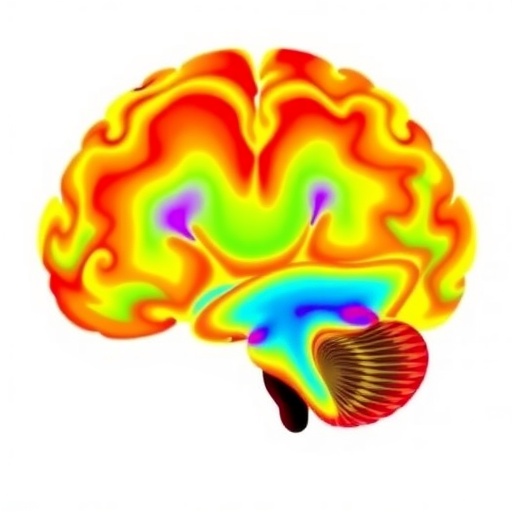
In a groundbreaking advancement in neonatal medicine, researchers have identified hypoxanthine as a critical early biomarker for predicting outcomes in neonatal hypoxic-ischemic encephalopathy (HIE) using an ovine model. This discovery, detailed in a recent study published on March 30, 2026, in Pediatric Research, offers the potential to revolutionize the diagnosis and management of HIE—a devastating brain injury condition affecting newborns following oxygen deprivation and ischemic events during birth. The ability to swiftly detect and evaluate hypoxanthine levels may herald a new era of personalized medical interventions, improving the prognosis for countless neonates worldwide.
Hypoxic-ischemic encephalopathy remains a major cause of neonatal morbidity and mortality, with limited therapeutic options once injury has occurred. Traditionally, clinicians have relied on neurologic assessments, imaging techniques, and the onset of clinical symptoms, often too late to alter the course of brain injury effectively. The identification of hypoxanthine as an early biomarker provides a promising physiological parameter that reflects the biochemical milieu triggered by oxygen deprivation and ischemia at a cellular level, preceding the irreversible damage that current diagnostic tools detect.
Researchers utilized an ovine model because of its physiological similarity to human neonates in terms of brain development and size, allowing for more reliable extrapolation of findings. The study meticulously monitored hypoxanthine concentrations in blood samples following induced hypoxic and ischemic events. Notably, elevated levels were detected rapidly post-insult, correlating strongly with subsequent neurological outcomes. This correlation suggests that hypoxanthine is not merely a byproduct but a significant indicator of the severity of brain injury processes in real time.
The biochemical underpinnings of this biomarker lie in hypoxanthine’s role as a purine metabolism intermediate. During hypoxic conditions, ATP degradation accelerates, leading to accumulation of hypoxanthine as cells become energy-depleted. This compound, in turn, participates in pathways that exacerbate oxidative stress and neuronal damage upon reperfusion, linking its concentration directly to cellular injury severity. By measuring hypoxanthine, clinicians gain a window into the metabolic distress of brain tissue moments after hypoxia-ischemia, a crucial temporal advantage.
Moreover, hypoxanthine quantification can be achieved through cutting-edge chromatographic and spectrometric techniques, allowing for its integration into bedside diagnostics potentially. This paves the way for rapid, minimally invasive testing shortly after birth in infants suspected of HIE. Early identification of high-risk infants could facilitate the prompt administration of neuroprotective strategies such as therapeutic hypothermia, improving outcomes by limiting the extent of brain injury during the critical therapeutic window.
The implications of this research extend beyond biomarkers alone; it also enriches the fundamental understanding of HIE pathophysiology. By linking metabolic signatures to injury progression, scientists can unravel the cascade of biochemical events that amplify neuronal death, unveiling new targets for pharmacologic interventions aimed at interrupting these harmful sequences. This biomarker’s discovery thus has the potential to catalyze the development of tailored therapies that mitigate secondary injury mechanisms in neonatal brain injury.
This study’s methodological rigor stands out, employing precise hypoxic-ischemic insult protocols standardized for reproducibility across the ovine cohort. Researchers carefully controlled variables such as duration and severity of oxygen deprivation, coupled with longitudinal neurological assessments. These comprehensive approaches reinforce the robustness of hypoxanthine as a predictive marker and lay the groundwork for clinical trials in human neonates, accelerating the translation of this biomarker from bench to bedside.
Beyond direct medical applications, the publication’s impact on public health policies cannot be overstated. Early diagnosis of HIE using reliable biomarkers could streamline neonatal care pathways globally, reducing the burden on intensive care units and guiding resource allocation efficiently. Early intervention informed by biochemical data promises not only to save lives but also to decrease long-term disabilities associated with cerebral palsy and cognitive impairments, thereby improving the quality of life and reducing healthcare costs.
The study further highlights the potential of metabolic biomarkers as a frontier in neonatal neurology. This approach could inspire analogous investigations into other elusive neonatal brain injuries and conditions, such as periventricular leukomalacia or neonatal stroke, broadening the scope of biomarker-based diagnostics. The integration of metabolomics into neonatal care programs signifies a paradigm shift from reactive treatment to proactive management grounded in molecular insights.
While the ovine model offers crucial translational relevance, challenges remain before hypoxanthine assessment can be universally adopted clinically. Human trials must address interindividual variability, the influence of comorbidities, and establish standardized sampling times post-delivery. Furthermore, the development of portable, affordable assays suitable for diverse healthcare settings will be pivotal in ensuring equitable access to such diagnostic advancements, particularly in low-resource environments where HIE incidence remains disproportionately high.
In conclusion, the identification of hypoxanthine as an early biomarker for neonatal hypoxic ischemic encephalopathy in an ovine model emerges as a transformative finding in pediatric neurology. This discovery bridges a critical diagnostic gap, facilitating earlier detection, prognostication, and targeted treatment of a devastating neonatal brain injury. Continued research and clinical validation could lead to the development of standardized protocols centered around this biomarker, catalyzing progress in neonatal care and neuroprotection.
As awareness of hypoxanthine’s prognostic utility spreads, interdisciplinary collaborations between neonatologists, neurologists, biochemists, and biomedical engineers will be essential to refine testing methodologies and therapeutic interventions. This synergy could accelerate the incorporation of hypoxanthine measurement into routine neonatal screening, establishing new standards for brain health assessment at birth. The broader scientific community eagerly anticipates further elucidation of this biomarker’s role in neonatal brain injury.
This landmark study, therefore, not only enriches current scientific knowledge but also resonates with the global mission to curb neonatal mortality and morbidity. Hypoxanthine measurement has the potential to become a cornerstone of neonatal critical care with lasting impacts on infant survival, neurodevelopmental trajectories, and family well-being. Its discovery underscores the value of animal models in translational medicine and heralds a promising future where molecular biomarkers fundamentally enhance clinical decision-making processes.
Overall, the revelation of hypoxanthine’s significance in neonatal HIE provides an exemplary case of how molecular research can drive clinical innovation. As neonatal medicine confronts the challenges of preventing lifelong disabilities and death from brain injuries, such biomarkers open new avenues to intervene effectively and timely. This research aligns with broader advances in personalized medicine, where insights tailored to each patient’s biochemical profile promise to optimize health outcomes from the earliest moments of life.
Mike, J.K., Natarajan, E., Ha, J. et al. Hypoxanthine—early biomarker of outcomes in an ovine model of neonatal hypoxic ischemic encephalopathy.
Pediatr Res (2026). https://doi.org/10.1038/s41390-026-04856-1
Cite Scienmag News
Cassandra Pierce. (March 31, 2026). Hypoxanthine: Early Biomarker in Neonatal Brain Injury. Scienmag. https://scienmag.com/hypoxanthine-early-biomarker-in-neonatal-brain-injury/
Cassandra Pierce. "Hypoxanthine: Early Biomarker in Neonatal Brain Injury." Scienmag, 31 March 2026, https://scienmag.com/hypoxanthine-early-biomarker-in-neonatal-brain-injury/. Accessed 3 September 2026.
Cassandra Pierce. "Hypoxanthine: Early Biomarker in Neonatal Brain Injury." Scienmag. March 31, 2026. https://scienmag.com/hypoxanthine-early-biomarker-in-neonatal-brain-injury/


