


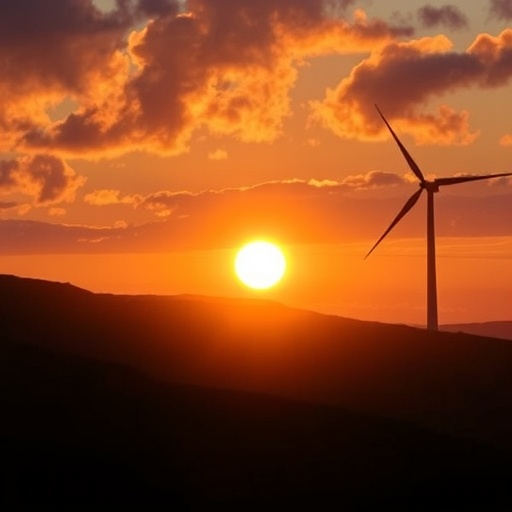
The energy landscape is on the verge of a tectonic shift as the world confronts the urgent call for carbon neutrality. Marking the dawn of what experts are calling the Third Energy Revolution, this transformation is not merely a change in energy sources but a profound overhaul of the entire global energy system. Unlike its predecessors, this revolution is catalyzed not by technological invention alone but by the pressing imperative to combat climate change, necessitating a seamless integration of renewable energies with advanced digital technologies.
Tracing back the lineage of energy revolutions, the First Energy Revolution, initiated in the mid-18th century, ushered in mechanized industry and propelled society from decentralized biomass energy to concentrated fossil fuel reliance, particularly coal. This epoch was defined by James Watt’s steam engine, which fundamentally restructured human labor and industrial capability. Subsequently, the Second Energy Revolution in the mid-19th century transformed the energy paradigm by introducing electricity and internal combustion engines, catalyzed by Michael Faraday’s discoveries. This era saw oil and electricity dominate, establishing centralized power generation and extended transmission networks, which powered electrification on an unprecedented scale.
Now, standing at the threshold of the Third Energy Revolution, humanity faces a unique challenge that demands not only technological advancement but also an imaginative reconstruction of conventional energy thinking. This revolution is predominantly driven by a global consensus on the urgent need for carbon neutrality, with renewable energy sources and digital intelligence acting as the twin pillars of change. The foundational shift here disengages energy reliance from finite subterranean resources, such as coal, oil, and natural gas, embracing an innovation-driven shift toward renewable technologies.
Central to this emergent revolution is the ascendancy of renewable energy sources from supportive supplements to primary energy suppliers. Recent data underscores this dramatic shift: global wind and solar power production soared by 31% and 7.7%, respectively, in just the first half of 2025, surpassing coal-fired generation globally for the first time. China exemplifies this trend, boasting an unprecedented installed renewable capacity exceeding 1800 gigawatts, overtaking thermal power and achieving a non-fossil installed capacity share above 61%, with non-fossil power generation contributing to over 43% of the total electricity output.
This remarkable transformation signals the comprehensive restructuring of not only energy production but also system architecture and usage paradigms. China’s robust industrial infrastructure and commitment to innovation present a global template for navigating this complex transition. Critical to success is the reevaluation and redefinition of existing cognitive frameworks, operational pathways, and evaluative criteria, demanding new mental models and systemic thinking that resonate with this unprecedented energy reality.
At the heart of the revolution is the fundamental concept of “electrification of energy” coupled with the “zero-carbonization of electricity.” Achieving carbon neutrality necessitates a decarbonized electricity generation matrix dominated by renewables such as wind and solar, transitioning these from intermittent supplements to the mainstay energy sources. Given the inherent variability of these sources, fossil-based thermal power plants equipped with carbon capture and storage technologies and nuclear power retain critical roles as reliable and flexible anchors for system stability and load regulation.
The demand side also undergoes a radical restructuring through the principle of re-electrification, entailing both direct and indirect strategies. Direct electrification converts end-uses—from industrial heating to transportation—away from fossil fuels to electricity. This encompasses electric arc furnaces replacing traditional blast furnaces in steelmaking and electric vehicles displacing internal combustion engines in transportation. Indirect electrification leverages surplus renewable electricity to synthesize green fuels, such as hydrogen, ammonia, and synthetic hydrocarbons. These green fuels present innovative solutions for sectors resistant to direct electrification, while also enabling temporal and spatial energy transfer through robust storage capabilities unmatched by traditional means.
An essential facet of this revolution involves understanding the temporal and carbon-emission attributes of electricity. Electricity’s value now fluctuates dramatically based on supply-demand dynamics and generation mix, with prices spiking during scarcity and plunging into negativity during surplus periods, a trend observed in leading Western power markets. Carbon intensity also varies with generation sources—coal-based electricity emitting around 0.8 kilograms of CO2 per kilowatt-hour, contrasting sharply with near-zero emissions from renewables. Recognizing these twin attributes necessitates the formulation of internationally consistent standards for electricity carbon accounting differentiated across time and geography, guiding smarter production and consumption.
Concurrently, traditional notions of energy efficiency are being challenged and reimagined within this renewable-anchored paradigm. Unlike fossil fuels, solar and wind energy possess a near-zero marginal cost and are inexhaustible in nature, while being inherently intermittent. Hence, moving beyond single-dimensional “physical efficiency,” energy effectiveness must be understood in systems terms, incorporating environmental benefits, energy security enhancements, and holistic utilization effectiveness. Technologies such as electrical-to-hydrogen conversion, large-scale energy storage, and cross-regional grid interconnections may incur efficiency losses, yet these are justified by their roles in maximizing renewable energy absorption, ensuring grid stability, and facilitating energy transfer across time and space.
Energy security too is undergoing a conceptual and operational overhaul. Traditional power systems, driven predominantly by dispatchable thermal generation following demand patterns, are now evolving into architectures where demand dynamically follows variable renewable supply. This “load-follows-generation” model compels enhanced demand-side flexibility and the mobilization of diverse resources—including industrial loads, energy storage, electric vehicles, and distributed generation—to actively balance load and supply. To remain secure and resilient, the power grid must transition from rigid, linear operational models to intelligent, flexible systems orchestrated by digital technologies like artificial intelligence and cloud computing.
Further supporting energy security is the systemic integration of flexible thermal power retrofits, advanced storage solutions ranging from short-duration batteries to long-duration hydrogen storage, and expansive demand-response programs incentivized by dynamic pricing. These innovations reshape system planning, operations, and market mechanisms, facilitating the reliable penetration of high shares of renewables while containing costs and enhancing economic efficiency.
Ultimately, the Third Energy Revolution as elucidated by leading experts is characterized by a fundamental and multifaceted transformation sustained by technological innovation and enlightened policy frameworks. Embracing renewables as the cornerstone, focusing on electrification and zero-carbon power, and adopting new cognitive and operational frameworks will collectively drive the transition toward carbon neutrality.
The inherently volatile and decentralized nature of renewable energy mandates flexible, adaptive system designs supported by sophisticated market and regulatory structures. Electricity markets, empowered by real-time pricing reflective of supply-demand and carbon costs, will increasingly serve as the invisible hand optimizing resource allocation. Normalizing and expanding demand-side participation will be pivotal in balancing grids with high renewable shares and minimizing systemic security expenditures.
This revolution is unprecedented, representing a radical departure from centuries-old frameworks and challenging entrenched paradigms. It demands global cooperation, accelerated knowledge sharing, technological capacity-building, and equitable resource management. Only through such coordinated efforts can the transformative promise of the Third Energy Revolution be fully realized, effectively addressing climate imperatives and securing a sustainable energy future for all.
News Publication Date: 15-Feb-2026
Web References: http://dx.doi.org/10.1007/s11708-026-1056-2
References: Huang Z. The unprecedented transformation in energy: The Third Energy Revolution toward carbon neutrality. ENGINEERING Energy. 2026;20(1):10562.
Cite Scienmag News
Russell Cooper. (March 3, 2026). The Unmatched Shift in Energy: Advancing the Third Energy Revolution for Carbon Neutrality. Scienmag. https://scienmag.com/the-unmatched-shift-in-energy-advancing-the-third-energy-revolution-for-carbon-neutrality/
Russell Cooper. "The Unmatched Shift in Energy: Advancing the Third Energy Revolution for Carbon Neutrality." Scienmag, 3 March 2026, https://scienmag.com/the-unmatched-shift-in-energy-advancing-the-third-energy-revolution-for-carbon-neutrality/. Accessed 5 September 2026.
Russell Cooper. "The Unmatched Shift in Energy: Advancing the Third Energy Revolution for Carbon Neutrality." Scienmag. March 3, 2026. https://scienmag.com/the-unmatched-shift-in-energy-advancing-the-third-energy-revolution-for-carbon-neutrality/


