


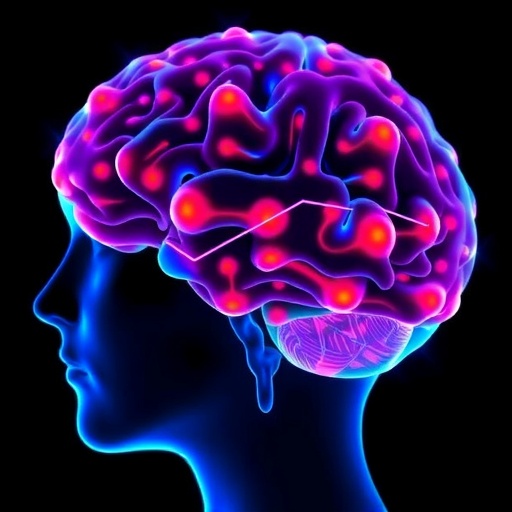
The realm of neuroscience and language acquisition has witnessed a compelling surge in research over the past decade, particularly in the study of second language processing through electroencephalography (EEG). Recent work by Aldhaheri, Kulkarni, and Alrefaee has culminated in a bibliometric analysis that not only highlights pivotal trends in the field from 2010 to 2024 but also propels the narrative towards understanding the cognitive mechanisms underpinning language acquisition. The findings presented in their upcoming article, publication anticipated for 2026, are set to intrigue both researchers and educators as they delve into the nuances of brain activity during language learning.
At its core, the study reveals the extent to which EEG technology has been harnessed to unravel the complexities associated with second language processing. The authors meticulously reviewed a plethora of studies, identifying key themes and methodological approaches that have characterized the EEG literature. A significant outcome of their analysis is the identification of predominant research hot spots and emerging paradigms that suggest a dynamic intersection of cognitive neuroscience and applied linguistics. This cross-disciplinary approach illuminates how modern pedagogical strategies may benefit from insights derived from neural correlates of language processing.
One of the central tenets discussed is the improved understanding of brain wave patterns associated with language acquisition phases. By examining event-related potentials (ERPs) observed during the learning process, researchers have begun to map specific brain responses to linguistic stimuli. The authors emphasize that this mapping offers a window into the cognitive load imposed on learners and how different strategies can either alleviate or exacerbate this load. Moreover, they cite evidence suggesting certain brain responses are predictive of language proficiency, thus providing a valuable metric for educators aiming to assess the effectiveness of their teaching methods.
The bibliometric analysis also casts light on the geographical trends in EEG research related to language learning. It is noted that while a significant proportion of studies emerged from North America and Europe, there is an increasing representation from Asia and South America. This diversification in authorship lends a broader cultural perspective to the findings, as language learning is inherently tied to sociolinguistic factors. The authors of the article argue that this cross-cultural insight can guide more inclusive educational frameworks, shaping curriculum design to better accommodate diverse learner backgrounds.
A pivotal finding of the research is the evolving sophistication of EEG methodologies employed in language studies. The advent of portable EEG systems has revolutionized data collection, facilitating studies that are not only more practical but also ecologically valid. The researchers detail how this technological advancement allows for real-world language processing investigations to occur outside of laboratory settings, thus enhancing the ecological validity of the research. The potential for longitudinal studies made possible by such portability opens up avenues for understanding language acquisition over time, rather than in isolated contexts.
Moreover, the authors highlight the integration of machine learning techniques that are increasingly being utilized to analyze complex EEG data. This intersection of artificial intelligence and neuroscience is leading to unprecedented insights into the predictive modeling of language proficiency and the identification of neural biomarkers associated with successful language acquisition. Researchers are beginning to harness large data sets to trace how individual differences in cognitive profiles impact language learning outcomes, paving the way for customized learning strategies.
As the authors examine future directions in this field, they underscore the importance of interdisciplinary collaboration. By bridging the gaps between neuroscience, linguistics, and education, researchers can foster a more holistic understanding of language processing that takes into account both neurological and pedagogical perspectives. The authors advocate for a shift towards integrated research initiatives that prioritize the synthesis of knowledge and resources across these disciplines.
The implications of this research extend beyond academic circles and into classroom settings, where practical applications can transform the landscape of language education. By understanding how the brain processes language, educators can implement strategies that harness cognitive strengths and address weaknesses. Techniques that promote engagement while managing cognitive load could lead to improved proficiency outcomes, rendering the learning process more efficient and enjoyable for students.
Additionally, the researchers hint at the ethical dimensions inherent in the use of EEG technology for educational purposes. As the capability to gather and interpret brain data improves, ethical considerations surrounding privacy and consent become increasingly pertinent. The authors call for the establishment of guidelines to ensure that both researchers and educators approach the use of EEG insights with a sense of responsibility and respect for individual rights.
Within the context of policy-making, their analysis points to an urgent need for educational systems to adapt to these advancements. Policymakers could benefit from understanding the neurological basis of language acquisition to inform national curricula that foster second language learning more effectively. Integrating neuroscientific findings into educational policies could ultimately lead to the optimization of language programs that are scientifically grounded and better equipped to meet the needs of learners.
In conclusion, Aldhaheri, Kulkarni, and Alrefaee’s bibliometric analysis is poised to be a landmark contribution in the field of language acquisition. By synthesizing the breadth of EEG research from 2010 to 2024, the article will provide critical insights that can guide future investigations and practical applications. As we stand on the brink of a new era in understanding language processing, the intersection of neuroscience and education beckons, inviting innovations that are likely to resonate across classrooms and research laboratories for years to come.
Through this exploration of second language processing via EEG technologies, it is clear that we are just scratching the surface of the potential overlaps between cognitive neuroscience and applied linguistics. The collaborative endeavors of scientists and educators will undoubtedly shape the future landscape of language education, driven by data and informed by the intricate workings of the human brain.
Aldhaheri, T.A., Kulkarni, S.B. & Alrefaee, Y.M. A bibliometric analysis of electroencephalography studies on second Language processing from 2010 to 2024.
Discov Educ (2026). https://doi.org/10.1007/s44217-026-01122-8
Cite Scienmag News
Cassandra Pierce. (January 20, 2026). Mapping EEG Research in Second Language Processing. Scienmag. https://scienmag.com/mapping-eeg-research-in-second-language-processing/
Cassandra Pierce. "Mapping EEG Research in Second Language Processing." Scienmag, 20 January 2026, https://scienmag.com/mapping-eeg-research-in-second-language-processing/. Accessed 4 September 2026.
Cassandra Pierce. "Mapping EEG Research in Second Language Processing." Scienmag. January 20, 2026. https://scienmag.com/mapping-eeg-research-in-second-language-processing/


