


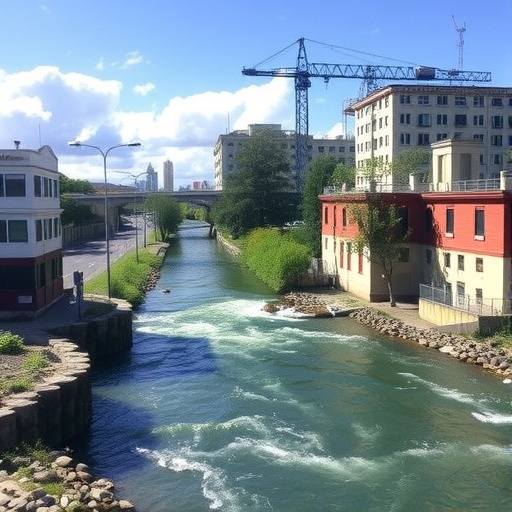
The Conchitas River, a vital waterway in Buenos Aires, has become emblematic of the struggles facing urban rivers worldwide. A comprehensive investigation has shed light on the profound environmental degradation experienced in this region over the past two decades, primarily driven by urban expansion and industrialization. This revelation comes from a study conducted by a team of researchers led by M.A. Mujica, who meticulously documented the various pressures exerted on the river’s ecosystem.
Urbanization in Buenos Aires has accelerated dramatically in the last twenty years, resulting in significant alterations to the natural landscape surrounding the Conchitas River. The rampant construction and increase in population density have brought about heightened pollution levels, changed land use patterns, and the destruction of vital green spaces. These developments have inevitably led to a decline in water quality, posing significant risks not only to aquatic life but also to the communities that rely on this waterway.
Industrial activities along the river have exacerbated the environmental challenges. Factories and manufacturing plants have historically discharged waste materials directly into the river, contaminating its waters with harmful chemicals and heavy metals. This industrial discharge has been particularly detrimental, as it not only degrades water quality but also accumulates in the sediment, creating long-lasting hazards to both wildlife and humans who may consume fish from the river.
The research conducted by Mujica and his colleagues utilized extensive field studies to assess the extent of pollution in the Conchitas River. They measured various parameters, including heavy metal concentrations, organic pollutants, and biological indicators of water quality. Their findings revealed alarming levels of contamination, signaling an urgent need for comprehensive remediation efforts to restore the health of the river.
Hydrological changes due to urban development have also had a significant impact on the Conchitas River. The construction of impermeable surfaces has increased surface runoff, leading to altered flow patterns that can exacerbate flooding. The natural filtration provided by wetlands and vegetation has been diminished, further deteriorating the river’s ability to self-purify and recover from pollution.
The ecosystem surrounding the Conchitas River has faced additional pressures from the invasive species that thrive under altered environmental conditions. The introduction of non-native flora and fauna has disrupted the ecological balance, pushing out indigenous species that are crucial for maintaining the health of the river’s ecosystem. This shift not only threatens biodiversity but also undermines the river’s resilience to environmental stressors.
Mujica’s research team has highlighted the importance of integrating ecological assessments into urban planning initiatives to avoid further degradation of the Conchitas River. Their study underscores that sustainable development practices must be adopted to ensure that economic growth does not come at the expense of vital natural resources. Policymakers need to implement stricter regulations on industrial waste disposal and promote green infrastructure to support the river’s recovery.
Public awareness and community engagement play pivotal roles in the conservation of urban rivers like the Conchitas. The researchers emphasize the impact that local activism can have on influencing policy changes and fostering a collective sense of responsibility for the environment. Educational initiatives aimed at informing residents about the ecological importance of the river and encouraging community participation in cleanup efforts are essential steps toward restoration.
Collaboration between government agencies, non-profit organizations, and the private sector is crucial for effective environmental management. The study advocates for developing partnerships that can facilitate resource sharing and enhance the implementation of restoration projects. By harnessing the expertise and financial support of multiple stakeholders, comprehensive strategies can be formulated to address the multifaceted challenges facing the Conchitas River.
As the findings from Mujica’s research gain visibility, it is hoped that they will spark a broader conversation about urban waterway conservation. The plight of the Conchitas River reflects a global trend where cities grapple with reconciling development and environmental stewardship. Policymakers and urban planners must heed these lessons to create a blueprint for sustainable urban living that prioritizes ecological integrity.
In conclusion, the research conducted on the Conchitas River serves as a sobering reminder of the consequences of unchecked urbanization and industrialization. The patterns of degradation observed over the past two decades provide critical insights into the need for immediate action. By prioritizing sustainable practices and fostering community involvement, there is hope for the restoration of the Conchitas River, turning it from an emblem of degradation into one of recovery and resilience.
As we stand at a crossroads, the fate of the Conchitas River hangs in the balance. It serves as a call to action, urging us to reassess our relationship with nature and make choices that safeguard our environment for future generations. The commitment to restoring and preserving this vital waterway can set a precedent for other urban rivers facing similar challenges worldwide, highlighting the importance of collective action to mitigate the impacts of environmental degradation.
Cite Scienmag News
Violet Maxwell. (January 16, 2026). Conchitas River: Two Decades of Urban, Industrial Strain. Scienmag. https://scienmag.com/conchitas-river-two-decades-of-urban-industrial-strain/
Violet Maxwell. "Conchitas River: Two Decades of Urban, Industrial Strain." Scienmag, 16 January 2026, https://scienmag.com/conchitas-river-two-decades-of-urban-industrial-strain/. Accessed 4 September 2026.
Violet Maxwell. "Conchitas River: Two Decades of Urban, Industrial Strain." Scienmag. January 16, 2026. https://scienmag.com/conchitas-river-two-decades-of-urban-industrial-strain/


