


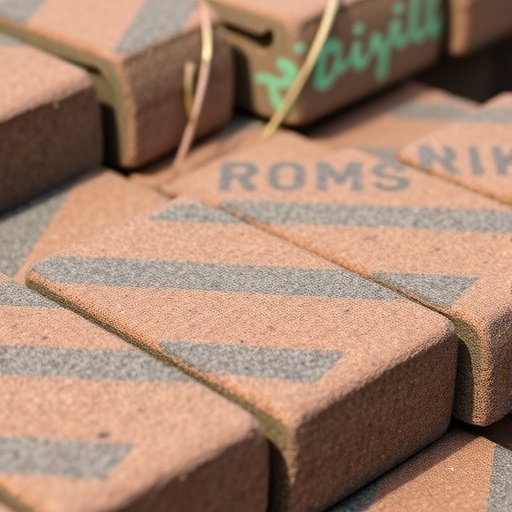
The use of clay bricks as a primary construction material has been a staple across various cultures for centuries. However, with the ongoing industrial advancements and increased awareness of environmental impacts, a significant concern has emerged regarding the presence of potentially hazardous metal contents within these bricks. Recent research conducted in Türkiye unveils alarming findings about the toxic metal levels in clay bricks that could potentially jeopardize human health and the environment. This research delves into the systematic assessment of these metals, underscoring the necessity for stringent regulations and better manufacturing practices in the field of construction.
The study led by Ş. Turhan, C. Duran, and A. Hançerlioğulları emphasizes the potential hazards associated with these materials, specifically investigating clay bricks manufactured and utilized in construction projects throughout Türkiye. Given that these bricks have historically been favored for their thermal properties and durability, the findings of this research carry significant weight, highlighting the dichotomy between their practical benefits and the potential health risks posed by their toxic constituents.
To conduct this study, the research team employed rigorous sampling methods, collecting clay brick samples from various sites across Türkiye. The aim was to analyze these samples for a range of potentially toxic metals, including lead, cadmium, chromium, and arsenic. The methodology was designed to ensure that the results would accurately reflect the real-world implications of using these materials in structural applications, given their widespread use in residential and commercial buildings alike.
The results of the study were startling, revealing levels of heavy metals that exceeded established safety thresholds. Notably, lead and cadmium concentrations in certain samples were found to be significantly higher than permissible limits established by environmental regulatory bodies. These findings raise pressing questions about the safety of clay bricks and necessitate a re-evaluation of their use in modern construction practices.
The implications of these findings extend beyond merely the construction industry; they touch on broader public health issues. Prolonged exposure to toxic metals can lead to serious health ailments, including neurological disorders, respiratory issues, and even cancer. Vulnerable populations, such as children and the elderly, are particularly at risk, emphasizing the urgent need for action and awareness in communities where such construction materials are prevalent.
Moreover, the research team advocates for increased vigilance in the sourcing and production of clay bricks. They suggest that manufacturers should adopt cleaner production techniques that minimize metal contamination and utilize alternative materials when necessary. By doing so, the industry could significantly reduce the risks associated with heavy metal exposure while maintaining the structural integrity of buildings.
In addition, public awareness campaigns are necessary to educate consumers and builders about the importance of selecting safe construction materials. Encouraging informed choices can empower communities to demand stricter quality control measures from manufacturers, ultimately leading to safer building practices. This responsibility lies not only with construction professionals but also with homeowners and local government authorities.
The findings also point to the need for further research into alternative building materials that are environmentally friendly and free from toxic elements. Advances in technology, including the development of sustainable materials, could provide viable solutions to mitigate the risks posed by traditional clay bricks. By exploring these alternatives, the industry can pave the way for safer construction practices that prioritize health and sustainability.
This study serves as a wake-up call to policymakers as well, urging them to implement stricter regulations concerning construction materials’ safety standards. A comprehensive review of existing guidelines and the enforcement of relevant policies are vital steps toward safeguarding public health and the environment from the adverse effects of toxic metal exposure.
In summary, the research spearheaded by Turhan and colleagues highlights a critical issue within the construction industry: the threat posed by potentially toxic metals found in clay bricks. The findings necessitate a fundamental change in how materials are sourced, produced, and utilized in construction. The health risks associated with these heavy metals provide compelling evidence for the need for immediate action and reform. Addressing these issues could lead to healthier living environments and more sustainable construction practices in Türkiye and beyond.
As we move forward, it will be essential to monitor the situation closely and to take proactive measures that ensure the safety of both construction workers and the communities they serve. The future of construction materials could very well depend on our response to this urgent challenge, creating a legacy of safety and sustainability for generations to come.
Cite Scienmag News
Violet Maxwell. (December 14, 2025). Toxic Metal Levels in Türkiye’s Clay Bricks Analyzed. Scienmag. https://scienmag.com/toxic-metal-levels-in-turkiyes-clay-bricks-analyzed/
Violet Maxwell. "Toxic Metal Levels in Türkiye’s Clay Bricks Analyzed." Scienmag, 14 December 2025, https://scienmag.com/toxic-metal-levels-in-turkiyes-clay-bricks-analyzed/. Accessed 3 September 2026.
Violet Maxwell. "Toxic Metal Levels in Türkiye’s Clay Bricks Analyzed." Scienmag. December 14, 2025. https://scienmag.com/toxic-metal-levels-in-turkiyes-clay-bricks-analyzed/


