


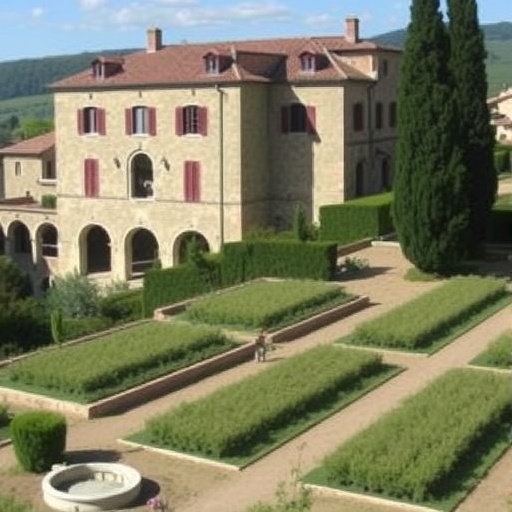
Recent archaeological studies in Tuscany have shed light on the subsistence practices of high medieval communities, particularly focusing on the mining district surrounding Montieri castle. The investigation, as explored by Mantile, Viva, and Russo, emphasizes the intricate relationship between resource utilization and social structures within this historically rich region. The findings provide invaluable insights into how local populations adapted their agricultural and economic practices to the unique topography and climatic conditions of a Mediterranean environment.
Archaeological evidence from excavations indicates that Montieri was not only a political stronghold but also a crucial center for mining and associated activities during the medieval period. The study involved a multidisciplinary approach, combining archaeological data with paleobotanical and stable isotope analyses to form a comprehensive picture of the dietary habits and agricultural practices of the time. The interplay between mining operations and subsistence strategies reveals much about the resilience and ingenuity of the communities that thrived in this challenging landscape.
The site of Montieri presents a unique case study due to its strategic location within a mining district, which significantly influenced the subsistence patterns of the populace. Historical documents and evidence suggest that the mining of resources such as silver and lead was paramount to the local economies. Consequently, understanding how these mining activities intersected with agricultural practices provides a nuanced perspective on the livelihoods of medieval people in Tuscany.
Crop analysis from the area indicates a diverse array of cultivated plants, with evidence of wheat, barley, and legumes being predominant. This varied agricultural output was likely a response to local environmental conditions and market demands. By evaluating the types of grains and crops grown, researchers speculate on the dietary diversity and the nutritional intake of the medieval inhabitants, which were likely influenced by both seasonal availability and socio-economic factors stemming from mining activities.
Animal husbandry also played a significant role in sustaining the communities around Montieri. The remains of domesticated animals, as uncovered during excavations, suggest that livestock such as sheep, goats, and cattle were integral to both the economy and culture of the area. The significance of these animals extended beyond mere sustenance; they also provided essential materials for textiles and tools, signifying a highly integrated lifestyle centering on resource management.
Beyond nutrition and economy, the study of the Montieri site raises important questions about medieval social structures. The synergy between mining and agriculture arguably allowed for greater wealth accumulation, which may have resulted in social stratifications within the community. By examining burial practices and settlement patterns, researchers can begin to piece together the social hierarchy and its implications on everyday life in the medieval era.
Moreover, the historical context surrounding Montieri reveals how external factors such as trade, political power shifts, and invasions influenced local subsistence practices. The intersectionality of these dynamics helps to understand how communities negotiated their existence amidst changing circumstances, ultimately shaping their cultural and economic frameworks.
Fieldwork conducted at Montieri also leveraged advanced technologies such as Geographic Information Systems (GIS) mapping to analyze land use patterns over time. This technological integration provided a clearer picture of how medieval inhabitants utilized their environment for both agricultural and mining purposes. Understanding these patterns is critical, as it leads to discussions surrounding sustainability and resource management—a topic that resonates with current global concerns.
As the research progresses, ongoing excavations and analyses will continue to refine our understanding of the medieval mining district around Montieri. The interplay of archaeology, anthropology, and environmental science provides a rich tapestry from which to draw insights into the past. Each layer of soil excavated unveils stories of resilience and adaptation, painting a vivid image of a community that thrived against the odds.
The study conducted by Mantile et al. is not merely an academic exercise; it has broader implications for contemporary discourse on resource management and societal sustainability. By learning from the practices of the past, modern societies can glean valuable lessons on how to harmonize economic activities with ecological preservation. This research bridges the past with present-day challenges, making it not only relevant but also timely within the context of our current environmental crises.
Entertaining the complexities of human existence within natural settings, the work at Montieri encapsulates the essence of what it means to be adaptable. The findings underscore the need for comprehensive and interdisciplinary approaches in archaeology, allowing for a deeper understanding of how ancient civilizations navigated the interplay of resource utilization, societal structures, and environmental constraints.
As the world grapples with similar issues today, these historical insights from the Tuscan mining district can inspire sustainable practices that honor both the land and its people. In an era where the balance between human needs and environmental stewardship has never been more tenuous, the lessons emanating from the high medieval period invite reflection and action, reminding us that we are merely stewards of the legacy left behind.
In conclusion, the multifaceted investigation of Montieri castle by Mantile and colleagues exemplifies the richness of interdisciplinary archaeology. By unveiling the complexities of medieval subsistence practices, the study not only enriches our understanding of the past but also provides a compelling framework for addressing contemporary issues surrounding sustainability, resource management, and social equity.
Cite Scienmag News
Courtney Benton. (November 19, 2025). Exploring Medieval Farming in Tuscany’s Montieri Castle. Scienmag. https://scienmag.com/exploring-medieval-farming-in-tuscanys-montieri-castle/
Courtney Benton. "Exploring Medieval Farming in Tuscany’s Montieri Castle." Scienmag, 19 November 2025, https://scienmag.com/exploring-medieval-farming-in-tuscanys-montieri-castle/. Accessed 4 September 2026.
Courtney Benton. "Exploring Medieval Farming in Tuscany’s Montieri Castle." Scienmag. November 19, 2025. https://scienmag.com/exploring-medieval-farming-in-tuscanys-montieri-castle/


