


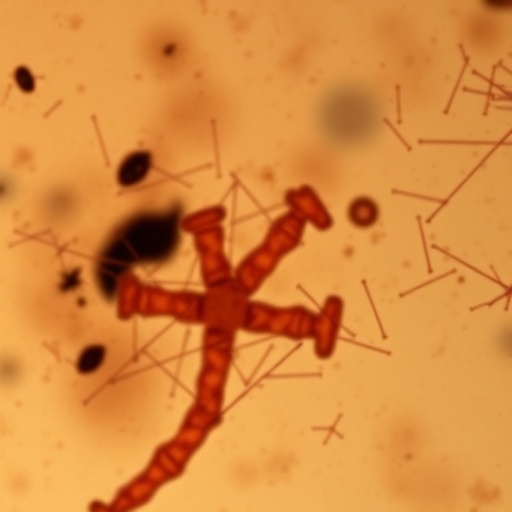
In a groundbreaking study emerging from Hebei Province, China, researchers have unveiled new molecular insights into zoonotic intestinal protozoa found in local wildlife, shedding light on the complex interactions between wildlife reservoirs and potential human health risks. This research represents a critical advancement in parasitology, offering compelling evidence on the role of wildlife species as carriers of zoonotic protozoan parasites, which possess the ability to cross species barriers, thereby emphasizing the intricate web connecting ecosystems and public health.
The investigation focused on three distinct wildlife species inhabiting the diverse ecosystems of Hebei, a region known for its rich biodiversity and proximity to densely populated human settlements. By employing sophisticated molecular characterization techniques, the team meticulously identified and analyzed parasitic protozoa at the genetic level, enabling them to pinpoint species and genotypes with unprecedented accuracy. This approach contrasts with traditional morphological methods, which often lack the resolution necessary to detect cryptic species or differentiate closely related genotypes.
Central to the study was the application of polymerase chain reaction (PCR) amplification targeting specific gene regions of protozoan parasites. This molecular framework facilitated sensitive detection and genotyping of intestinal parasites such as Giardia, Cryptosporidium, and Entamoeba species, all known for their zoonotic potential and widespread occurrence in mammals, including humans. Through sequencing and phylogenetic analysis of these molecular markers, the researchers revealed distinct zoonotic strains circulating within the wildlife populations examined, some of which align closely with those that infect humans.
One of the pivotal discoveries concerne the prevalence rates of these intestinal protozoa in wildlife, which varied significantly between species but underscored a consistent presence across all surveyed taxa. The data revealed that these wildlife hosts harbored multiple protozoan species simultaneously, suggesting a complex parasitic community structure within individual hosts. Such polyparasitism may have implications for parasite transmission dynamics and the potential for genetic recombination leading to emergent pathogenic strains.
The molecular insights gleaned also offered clues about the routes of transmission and ecological factors underpinning zoonotic spillover events. The proximity of wildlife habitats to agricultural zones and urban peripheries in Hebei potentially facilitates cross-species encounters, enabling protozoan parasites to breach the wildlife-human interface. Environmental contamination of water sources by wildlife feces containing oocysts or cysts may represent a significant conduit for indirect transmission to humans and livestock.
Furthermore, the genetic profiles of these parasites highlight the evolutionary pressures shaping host-parasite relationships over time. By identifying zoonotic genotypes, the study underlines the adaptability of these protozoa to diverse mammalian hosts. These adaptations pose challenges for disease control, as wildlife reservoirs can sustain transmission cycles even in the absence of human infection, complicating eradication efforts.
The findings bear far-reaching implications for public health policy and wildlife management in Hebei and similar regions globally. Surveillance of zoonotic intestinal protozoa in wildlife is paramount for early detection of potential outbreaks and informs targeted interventions. Integrating molecular epidemiology into routine parasitic disease monitoring enhances our capacity to anticipate and mitigate zoonotic threats arising from ecological disturbances and increased human-wildlife interactions.
This research also propels a broader scientific discourse on One Health approaches, which advocate for holistic consideration of human, animal, and environmental health. By revealing the molecular characteristics of zoonotic protozoa, the study bridges a critical knowledge gap, enabling coordinated responses that span veterinary, medical, and environmental sectors. Such interdisciplinary synergy is vital for developing comprehensive prevention and control strategies.
Moreover, the utilization of cutting-edge molecular tools exemplifies the transformative impact of genomics and bioinformatics in parasitology. These technologies provide deeper resolution of parasite diversity and transmission patterns that were previously obscured. As sequencing costs decline and bioinformatics capabilities expand, similar molecular assessments are poised to become standard practice in wildlife pathogen surveillance.
The article underlines the urgent necessity for continued research to explore the full spectrum of zoonotic protozoa within wildlife and their role in pathogen spillover. It prompts questions about environmental drivers such as climate change, habitat fragmentation, and anthropogenic activities that may alter the epidemiology of parasitic infections. Understanding these dynamics is crucial for anticipating future public health challenges.
Further longitudinal studies combining molecular data with ecological and behavioral analyses of wildlife hosts will enhance our understanding of infection persistence and zoonotic risk. Such comprehensive investigations can elucidate seasonal variations, host movement patterns, and parasite life cycles that influence transmission networks, informing more effective control strategies.
In addition, the research highlights the potential for wildlife to serve as sentinels for monitoring emerging parasitic diseases. Molecular surveillance can detect novel or emerging genotypes before they become established in human populations, facilitating proactive public health responses. This early warning system is particularly significant in regions like Hebei, where human encroachment on wildlife habitats is accelerating.
The study also calls for expanded collaboration between scientists, policymakers, and local communities to raise awareness about zoonotic disease risks associated with wildlife. Public education campaigns, alongside molecular surveillance, can foster community engagement in efforts to minimize risky interactions with wildlife and promote behaviors that reduce transmission potential.
In conclusion, this molecular investigation into zoonotic intestinal protozoa in wildlife from Hebei Province offers a compelling narrative about the hidden microbial threats lurking within natural ecosystems. It underscores the necessity of integrating advanced molecular techniques with ecological and epidemiological perspectives to confront the challenges posed by zoonoses in an increasingly interconnected world. As urban expansion and environmental changes intensify contact between humans and wildlife, such scientific endeavors are crucial for safeguarding global health.
Cite Scienmag News
Margaret Porter. (November 15, 2025). Zoonotic Intestinal Protozoa Found in Hebei Wildlife. Scienmag. https://scienmag.com/zoonotic-intestinal-protozoa-found-in-hebei-wildlife/
Margaret Porter. "Zoonotic Intestinal Protozoa Found in Hebei Wildlife." Scienmag, 15 November 2025, https://scienmag.com/zoonotic-intestinal-protozoa-found-in-hebei-wildlife/. Accessed 4 September 2026.
Margaret Porter. "Zoonotic Intestinal Protozoa Found in Hebei Wildlife." Scienmag. November 15, 2025. https://scienmag.com/zoonotic-intestinal-protozoa-found-in-hebei-wildlife/


