


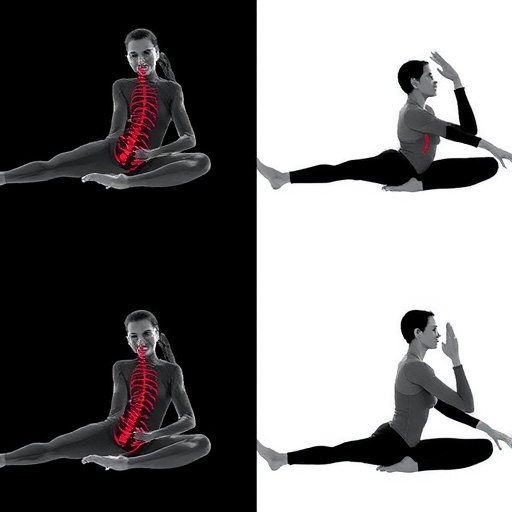
Recent advancements in biomechanical research have shed light on the profound and often overlooked impact of yoga practice on physical health. A pivotal study conducted by Mullerpatan, Shetty, and van Deursen delves into the intricacies of how consistent yoga engagement influences trunk control—an essential aspect of maintaining balance and stability in the body. Utilizing state-of-the-art 3D kinematic evaluation methods, this research provides groundbreaking insights that bridge the gap between traditional wellness practices and modern scientific inquiry.
Trunk control is a critical component of overall motor function and stability. It involves the ability to maintain an upright posture and balance during various movements, tasks that are essential for everyday activities such as walking, sitting, and reaching. The significance of trunk control extends beyond mere physical stability; it is also vital for minimizing the risk of falls, which can lead to serious injuries, especially among the elderly or those with underlying health issues. The study’s authors sought to explore whether yoga, a discipline synonymous with balance and strength, could enhance these critical motor skills.
The methodology employed in this research was a testament to innovation in the evaluation of physical movement. The researchers implemented a 3D kinematic analysis, a technique that enables precise measurement of motion in three dimensions. This approach allowed for a detailed examination of the participants’ trunk movements during various yoga postures, providing a comprehensive view of segmental control within the torso. The data collected and analyzed through this method offered substantial evidence regarding the dynamics of trunk control during yoga practice.
Participants in the study were carefully selected to represent a wide range of demographics, ensuring that the findings would be applicable to diverse populations. The individuals engaged in a consistent yoga practice were compared to those who had little to no experience in yoga. This comparative analysis aimed to elucidate the potential variations in trunk control and stability between the two groups, thereby underscoring the benefits of yoga not just as an exercise regimen but as a transformative practice for physical health.
Initial findings from this study reveal compelling correlations between regular yoga practice and improved trunk control. The yogic movements appear to promote not only strength and flexibility but also the neuromuscular coordination required for effective trunk stability. The significant enhancements observed in the yoga practitioners’ ability to control their torso movements during dynamic situations suggest that yoga could serve as an effective therapeutic intervention for populations at risk of balance-related issues.
Moreover, the results of this research indicate that the specific postures practiced in yoga contribute uniquely to improved trunk control. Certain asanas, particularly those that emphasize core engagement and mindful breathing, trained participants to develop a heightened awareness of their bodily mechanics. This enhanced proprioceptive awareness is paramount for improving overall physical health and functionality, particularly in the context of aging populations or individuals recovering from injury.
As with any rigorous scientific study, the researchers also accounted for potential confounding factors that could influence the relationship between yoga and trunk control. By standardizing the frequency and intensity of the yoga sessions, along with controlling for variables such as prior physical activity and existing medical conditions, the study strives to present results that are both reliable and applicable to broader populations. The integrity of the findings speaks to the meticulous nature with which the research was conducted.
In addition to the physical ramifications of improved trunk control through yoga, the study acknowledged the psychological benefits that often accompany such practices. Mental clarity, reduced stress, and enhanced focus are frequently cited advantages of yoga that could further aid in the overall functionality of an individual’s motor skills. The interconnectedness of physical and mental health underscores the holistic paradigm of wellness—an aspect that yoga epitomizes and one that this research reinforces.
Discussions around yoga and its systemic benefits are particularly significant in today’s fast-paced, sedentary lifestyle. Rising instances of lifestyle-related health issues necessitate a shift towards integrative health solutions, wherein practices like yoga stand out as viable options. The study’s findings could further advocate for the inclusion of yoga in rehabilitation programs or preventative health strategies aimed at promoting physical stability and reducing injury risks.
While this research sets a robust foundation for understanding the relationship between yoga and trunk control, it also opens up avenues for future exploration. Subsequent studies could examine the long-term effects of diverse styles of yoga on trunk stability, or even investigate other population-specific variables, such as age or pre-existing conditions, that can enhance our understanding of yoga’s therapeutic potential.
In conclusion, the investigation into how yoga practice enhances segmental trunk control through 3D kinematic evaluation offers a fresh perspective on the intersection of traditional wellness practices and contemporary scientific methods. Mullerpatan, Shetty, and van Deursen’s study could very well herald a new chapter in rehabilitative practices and preventive health strategies, championing yoga as a cornerstone for maintaining optimal trunk stability and overall physical health.
This research not only highlights the merits of yoga as a physical discipline but also enriches our understanding of the biomechanical factors that contribute to health and wellness. As the global community continues to navigate the complexities of health and lifestyle, studies like these are valuable in informing best practices and advocating for holistic approaches to health.
Mullerpatan, R., Shetty, T. & van Deursen, R. A Study on Influence of Yoga Practice on Segmental Trunk Control Using 3D Kinematic Evaluation Method.
Ann Biomed Eng (2025). https://doi.org/10.1007/s10439-025-03785-0
Cite Scienmag News
Ophelia Keating. (August 27, 2025). Yoga’s Impact on Trunk Control: 3D Kinematic Analysis. Scienmag. https://scienmag.com/yogas-impact-on-trunk-control-3d-kinematic-analysis/
Ophelia Keating. "Yoga’s Impact on Trunk Control: 3D Kinematic Analysis." Scienmag, 27 August 2025, https://scienmag.com/yogas-impact-on-trunk-control-3d-kinematic-analysis/. Accessed 4 September 2026.
Ophelia Keating. "Yoga’s Impact on Trunk Control: 3D Kinematic Analysis." Scienmag. August 27, 2025. https://scienmag.com/yogas-impact-on-trunk-control-3d-kinematic-analysis/


