

Wednesday, October 21, 2026
Science
No Result
View All Result
  • Login
  • HOME
  • SCIENCE NEWS
  • CONTACT US
  • HOME
  • SCIENCE NEWS
  • CONTACT US
No Result
View All Result
Scienmag
No Result
View All Result
Home Science News Biology

Wolbachia redirects host ATP metabolism to suppress viruses in mosquito cells

October 21, 2026
in Biology, Medicine
Daisy Hatcher
By Daisy Hatcher Scienmag Editorial Profile - Food Safety and Toxicology
Reading Time: 2 mins read
0
Wolbachia redirects host ATP metabolism to suppress viruses in mosquito cells

Wolbachia redirects host ATP metabolism to suppress viruses in mosquito cells

65
SHARES
587
VIEWS
Share on FacebookShare on Twitter
ADVERTISEMENT

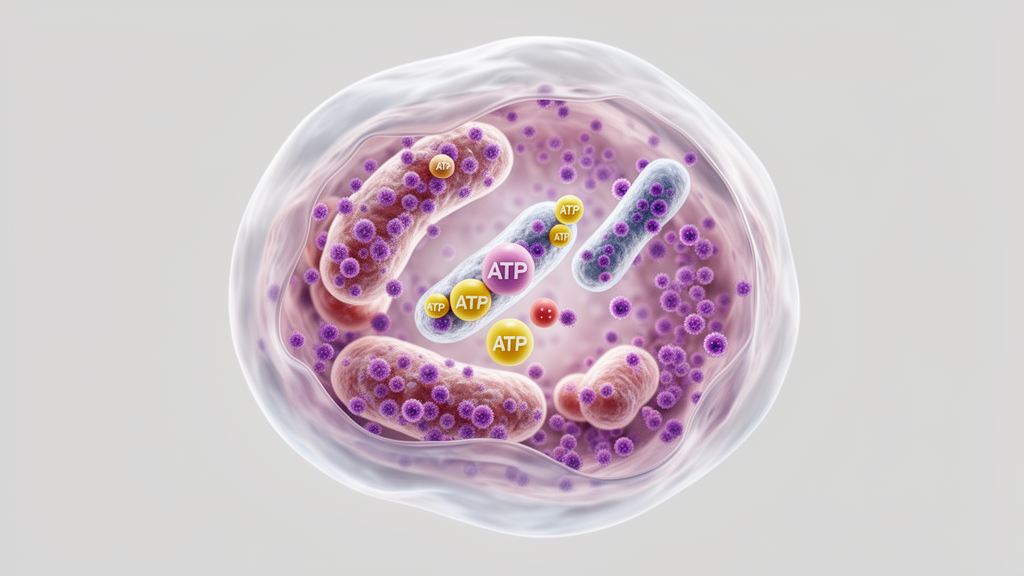
In mosquito-cell experiments, Wolbachia suppressed dengue virus and the emerging alphavirus Venezuelan equine encephalitis virus (VEEV) by redirecting host ATP production toward its own proliferation. The results extend the bacterial endosymbiont’s known antiviral spectrum and identify ATP synthase beta subunit 1, or ATPSβ1, as a metabolic hub in the competition between the virus, mosquito host and symbiont.

Researchers used transcriptomic and functional analyses to investigate how dengue virus and VEEV interact with Wolbachia in Aedes mosquito cells. In cells without the symbiosis, the viruses induced ATPSβ1. The evidence indicates that this host protein supported viral binding through the viral envelope protein and increased intracellular ATP production, which facilitated viral replication. ATPSβ1 therefore appears to perform two roles during infection: promoting initial viral attachment and supplying energy needed for replication.

In Wolbachia-carrying cells, the symbiont overrode the virus-associated promotion of viral binding and repurposed ATPSβ1-driven ATP synthesis to fuel bacterial proliferation. This metabolic diversion strengthened the antiviral activity of Wolbachia. The authors characterized the process as a tug-of-war over host ATP, with a shared host protein serving both the virus and the symbiont.

Pharmacological experiments supported the importance of ATP metabolism in this interaction. Adenosine increased the density of Wolbachia strain wAlbB and strongly suppressed viral infection in Aedes aegypti and Aedes albopictus cells. Oligomycin reduced intracellular ATP and inhibited viral infection in Wolbachia-free A. aegypti cells. These findings were obtained in cell systems and do not by themselves demonstrate reduced mosquito-borne virus transmission or benefits in humans. The authors identify targeting ATPSβ1-driven metabolism as a possible route for curbing transmission, but that application remains to be validated beyond the tested cells.

Subject of Research: Wolbachia-mediated antiviral defense through host ATP metabolism in mosquito cells

Article Title: Wolbachia outcompetes mosquito-borne viruses by reprogramming host ATPSβ1-driven ATP metabolism toward symbiotic proliferation

Article References: Yuan, H., Zhang, Y., Zhao, Y., Wang, C., Zhou, Y., Ni, Q., Li, X., Zhang, B., Wang, Y., Cai, L., Liu, H., Wang, J., Gong, J., Zhang, M., Xi, Z., & Pan, X. (2026). Wolbachia outcompetes mosquito-borne viruses by reprogramming host ATPSβ1-driven ATP metabolism toward symbiotic proliferation. PLOS Pathogens, 22(10), e1014692. https://doi.org/10.1371/journal.ppat.1014692

Image Credits: AI Generated

DOI: 10.1371/journal.ppat.1014692

Keywords: Wolbachia, ATPSβ1, ATP metabolism, dengue virus, Venezuelan equine encephalitis virus, Aedes aegypti, Aedes albopictus, mosquito-borne viruses, antiviral defense, viral replication, outcompetes, mosquito-borne

Cite Scienmag News

Daisy Hatcher. (October 21, 2026). Wolbachia redirects host ATP metabolism to suppress viruses in mosquito cells. Scienmag. https://scienmag.com/wolbachia-redirects-host-atp-metabolism-to-suppress-viruses-in-mosquito-cells/


Daisy Hatcher. "Wolbachia redirects host ATP metabolism to suppress viruses in mosquito cells." Scienmag, 21 October 2026, https://scienmag.com/wolbachia-redirects-host-atp-metabolism-to-suppress-viruses-in-mosquito-cells/. Accessed 21 October 2026.

Daisy Hatcher. "Wolbachia redirects host ATP metabolism to suppress viruses in mosquito cells." Scienmag. October 21, 2026. https://scienmag.com/wolbachia-redirects-host-atp-metabolism-to-suppress-viruses-in-mosquito-cells/

Tags: Aedes aegyptiAedes albopictusantiviral defenseATP metabolismATP synthase beta subunit in virus-mosquito interactionsATP-driven viral attachment and replication mechanismsATPSβ1dengue virushost ATP metabolism and viral suppressionhost cell metabolic tug-of-war between viruses and symbiontsimpact of Wolbachia on dengue and VEEV replicationmosquito-bornemosquito-borne virusesoutcompetesTargetingtranscriptomic analysis of Wolbachia-host-virus interactionsVenezuelan equine encephalitis virusviral replicationWolbachiaWolbachia-mediated antiviral defense in mosquito cellsWolbachia’s enhancement of mosquito innate immunityWolbachia’s role in redirecting host energy resources
Share26Tweet16
Previous Post

Four mental health profiles found among rural Chinese older adults with chronic diseases

Next Post

Regulatory Evolution Offers Clues to Horn Diversification in Beetles

Related Posts

AI speech model classifies dysarthria severity in real-world recordings
Medicine

AI speech model classifies dysarthria severity in real-world recordings

October 21, 2026
Regulatory Evolution Offers Clues to Horn Diversification in Beetles
Biology

Regulatory Evolution Offers Clues to Horn Diversification in Beetles

October 21, 2026
Cross-sectional study links social support, fear and health behavior after PCI
Medicine

Cross-sectional study links social support, fear and health behavior after PCI

October 21, 2026
Retrospective Spanish study links COPD triple therapy to lower costs and emissions
Medicine

Retrospective Spanish study links COPD triple therapy to lower costs and emissions

October 21, 2026
Environmental volatility is associated with adaptive caution in visual search
Biology

Environmental volatility is associated with adaptive caution in visual search

October 21, 2026
Pilot trial finds combined dementia rehabilitation and caregiver support feasible
Medicine

Pilot trial finds combined dementia rehabilitation and caregiver support feasible

October 21, 2026
Next Post
Regulatory Evolution Offers Clues to Horn Diversification in Beetles

Regulatory Evolution Offers Clues to Horn Diversification in Beetles

  • Mothers who receive childcare support from maternal grandparents show more optimized

    Mothers who receive childcare support from maternal grandparents show more parental warmth, finds NTU Singapore study

    27656 shares
    Share 11059 Tweet 6912
  • University of Seville Breaks 120-Year-Old Mystery, Revises a Key Einstein Concept

    1061 shares
    Share 424 Tweet 265
  • Bee body mass, pathogens and local climate influence heat tolerance

    682 shares
    Share 273 Tweet 171
  • Researchers record first-ever images and data of a shark experiencing a boat strike

    546 shares
    Share 218 Tweet 137
  • Groundbreaking Clinical Trial Reveals Lubiprostone Enhances Kidney Function

    531 shares
    Share 212 Tweet 133
Science

Embark on a thrilling journey of discovery with Scienmag.com—your ultimate source for cutting-edge breakthroughs. Immerse yourself in a world where curiosity knows no limits and tomorrow’s possibilities become today’s reality!

RECENT NEWS

  • AI speech model classifies dysarthria severity in real-world recordings
  • Regulatory Evolution Offers Clues to Horn Diversification in Beetles
  • Wolbachia redirects host ATP metabolism to suppress viruses in mosquito cells
  • Four mental health profiles found among rural Chinese older adults with chronic diseases

Categories

  • Agriculture
  • Anthropology
  • Archaeology
  • Athmospheric
  • Biology
  • Biotechnology
  • Blog
  • Bussines
  • Cancer
  • Chemistry
  • Climate
  • Earth Science
  • Editorial Policy
  • Marine
  • Mathematics
  • Medicine
  • Pediatry
  • Policy
  • Psychology & Psychiatry
  • Science Education
  • Science News
  • Social Science
  • Space
  • Technology and Engineering

Subscribe to Blog via Email

Enter your email address to subscribe to this blog and receive notifications of new posts by email.

Join 5,151 other subscribers

© 2025 Scienmag - Science Magazine

Welcome Back!

Login to your account below

Forgotten Password?

Retrieve your password

Please enter your username or email address to reset your password.

Log In
No Result
View All Result
  • HOME
  • SCIENCE NEWS
  • CONTACT US

© 2025 Scienmag - Science Magazine

Discover more from Science

Subscribe now to keep reading and get access to the full archive.

Continue reading