


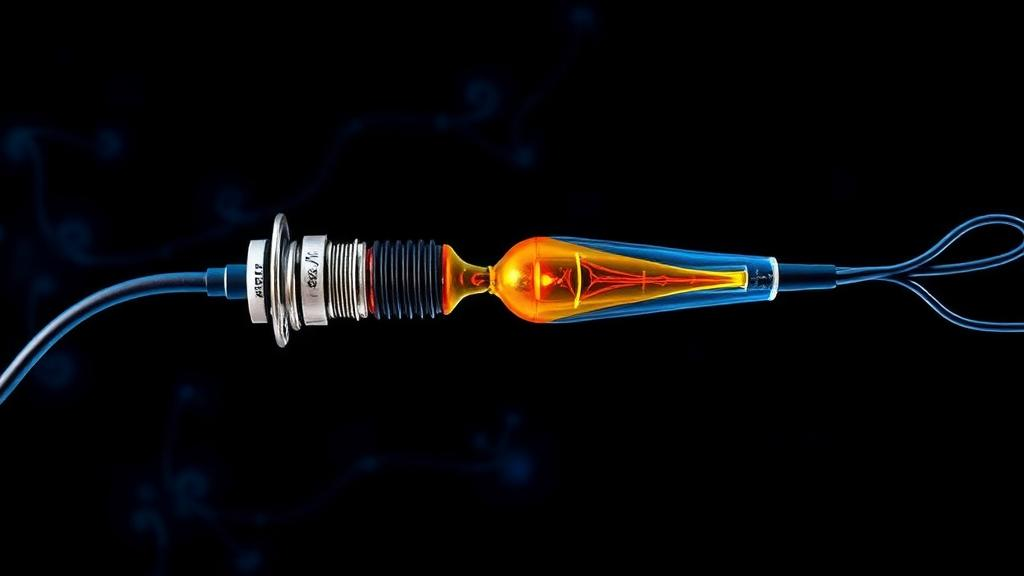
Neurosurgeons at UC San Diego Health have become the first health system on the West Coast to deploy a newly introduced coil technology for treating chronic subdural hematoma, one of the fastest-growing neurosurgical disorders in the aging population. The same institution is also among the early adopters of a newly FDA-approved liquid embolic agent designed to block the blood vessels implicated in the condition. Together, the two technologies significantly broaden the minimally invasive arsenal available to physicians confronting a disease that experts project could become the most common cranial neurosurgical condition in adults by 2030.
The novel coil procedure was led by David Santiago-Dieppa, MD, a cerebrovascular and endovascular neurosurgeon at UC San Diego Health and associate professor of neurological surgery at the University of California San Diego School of Medicine. According to Santiago-Dieppa, chronic subdural hematoma is an increasingly common condition in neurosurgical practice, and patients stand to benefit from minimally invasive approaches that can reduce the need for repeat operations. The first patient treated with the new coil technology at UC San Diego Health is recovering well, an encouraging early signal as clinicians continue to evaluate the device’s potential. He emphasized that advances in both coil-based and liquid embolization technologies are giving physicians more options to tailor treatment to each patient’s anatomy and clinical needs, with the ultimate goal of more consistently treating the source of these brain bleeds and improving outcomes.
Chronic subdural hematoma develops when blood collects between the brain and its outermost covering, the dura mater, often following a minor head injury that may have seemed trivial at the time. Because the bleeding accumulates slowly over days or weeks, symptoms such as headaches, confusion, memory problems, gait difficulties, and drowsiness can emerge gradually and are sometimes mistaken for normal aging or dementia. The condition is becoming steadily more common for two converging reasons: the population is growing older, and a rising number of people take blood-thinning medications such as anticoagulants and antiplatelet drugs, which impair the body’s ability to stop even small bleeds. That demographic and pharmacological trajectory is what drives the projection that chronic subdural hematoma may top the list of adult cranial neurosurgical conditions within the decade.
For much of modern neurosurgical history, the standard treatment was surgical drainage, in which a surgeon drills one or more small holes in the skull to evacuate the accumulated blood. While often effective, surgery carries risks for elderly patients and, crucially, does not address the underlying vascular source that can allow fluid and blood to reaccumulate. Recurrence rates after drainage alone have historically been a persistent clinical challenge, forcing a subset of patients back to the operating room for repeat procedures that compound their risk and prolong recovery.
In recent years, a minimally invasive alternative called middle meningeal artery embolization has transformed the treatment landscape. The middle meningeal artery, or MMA, is a branch of the external carotid artery that supplies the dura mater and is intimately involved in the formation and persistence of chronic subdural hematomas. During embolization, physicians navigate a tiny microcatheter through the vasculature, typically from an access point in the groin or wrist, until it reaches the MMA. They then deploy an embolic material to block the artery, cutting off the blood supply that feeds the bleed and helping prevent it from returning. Rather than replacing surgery in every case, embolization is often combined with drainage or used in select patients as a stand-alone strategy, and studies have shown it can reduce the likelihood that patients will need additional procedures while potentially improving long-term outcomes.
As MMA embolization has gained widespread adoption, device developers have raced to improve how physicians seal the target artery. Two broad technological philosophies have emerged. Coil-based approaches use specialized metallic coils to mechanically obstruct blood flow within the vessel, while liquid embolic materials are designed to flow with the bloodstream and penetrate smaller vessel branches farther from the treatment site, occluding a more diffuse vascular network. Each strategy has trade-offs related to vessel anatomy, procedural control, and the completeness of closure. The newly introduced coil technology adopted at UC San Diego Health is engineered to help physicians shut down the artery more completely and efficiently than previous generations of embolization coils. Its flexible design allows delivery through small and tortuous blood vessels, and it can treat a longer section of the artery than earlier coils, potentially reducing the number of devices and steps required in a given procedure.
Santiago-Dieppa’s role in the technology extended beyond the operating room. Drawing on extensive experience performing MMA embolization procedures, he provided clinical insights during the device’s development phase, helping shape a tool intended to improve procedural efficiency and the quality of artery closure. That clinician-inventor feedback loop, in which frontline operators inform device design before and after regulatory approval, has become an increasingly important pathway for translating neurovascular innovations into routine practice. It also reflects a broader trend in which academic medical centers serve simultaneously as early adopters, evaluators, and co-developers of emerging technologies.
UC San Diego Health’s leadership in this field is not limited to device adoption. Researchers in the Department of Neurological Surgery at UC San Diego School of Medicine developed the Patency After Coil Embolization, or PACE, scoring system, a standardized method for measuring how completely blood flow through the middle meningeal artery has been eliminated after treatment. The system gives clinicians and researchers a common language for grading technical success, and early research suggests that more complete closure of the artery may be linked to better resolution of the brain bleed over time. By quantifying the degree of occlusion achieved with different devices and techniques, tools like the PACE score help determine which patients benefit most from which embolization strategy, moving the field toward evidence-based personalization.
The institution has also been deeply involved in the clinical trial infrastructure supporting liquid embolic agents. J. Scott Pannell, MD, director of neurointerventional surgery, endovascular neurosurgeon, and neurointerventional radiologist at UC San Diego Health, and professor of neurological surgery and radiology at UC San Diego School of Medicine, served as a site investigator for the EMBOLISE clinical trial, which evaluated the addition of MMA embolization to standard treatment for chronic subdural hematoma. Evidence from that national trial and others supported the recent FDA approval of a liquid embolic for this indication, and Pannell’s involvement helped bring new embolization techniques and clinical research opportunities to patients in San Diego. He noted that the growing body of evidence supporting MMA embolization has fundamentally changed how physicians approach the condition, and that liquid embolic technologies offer a primary option that may allow more complete treatment in select patients. In his view, participation in trials such as EMBOLISE has been critical to understanding how these therapies can improve patient outcomes.
The convergence of these developments, from next-generation coils to approved liquid embolics and standardized occlusion scoring, points toward a future in which chronic subdural hematoma treatment becomes more predictable, effective, and accessible for the growing number of patients diagnosed each year. Physicians can now select among mechanical and liquid occlusion strategies based on vascular anatomy, the extent of dural supply, and patient-specific risk factors, rather than relying on a one-size-fits-all surgical approach. UC San Diego Health, nationally recognized for its treatment of complex brain, spine, and cerebrovascular disorders and ranked among the nation’s best in neurology and neurosurgery in the 2026-2027 U.S. News Best Hospitals rankings, continues to advance this evolution through research, clinical trials, and multidisciplinary care for conditions ranging from stroke and aneurysms to traumatic brain injury. As the population ages and anticoagulant use rises, the ability to treat the vascular source of chronic brain bleeds through a catheter rather than a craniotomy may prove to be one of the most consequential shifts in neurosurgery this decade.
Subject of Research: Minimally invasive middle meningeal artery embolization technologies for chronic subdural hematoma
Article Title: First health system on West Coast to use new brain bleed technologies
Article References: First health system on West Coast to use new brain bleed technologies. (n.d.). Original publication
Image Credits: AI Generated
DOI: Not provided
Keywords: chronic subdural hematoma, middle meningeal artery embolization, neurosurgery, embolization coils, liquid embolic, UC San Diego Health, EMBOLISE trial, PACE score, minimally invasive procedures, brain bleed, neurointerventional surgery, aging population
Cite Scienmag News
Cassandra Pierce. (October 4, 2026). West Coast First: New Coil and Liquid Embolization Technologies Target Chronic Brain Bleeds. Scienmag. https://scienmag.com/west-coast-first-new-coil-and-liquid-embolization-technologies-target-chronic-brain-bleeds/
Cassandra Pierce. "West Coast First: New Coil and Liquid Embolization Technologies Target Chronic Brain Bleeds." Scienmag, 4 October 2026, https://scienmag.com/west-coast-first-new-coil-and-liquid-embolization-technologies-target-chronic-brain-bleeds/. Accessed 4 October 2026.
Cassandra Pierce. "West Coast First: New Coil and Liquid Embolization Technologies Target Chronic Brain Bleeds." Scienmag. October 4, 2026. https://scienmag.com/west-coast-first-new-coil-and-liquid-embolization-technologies-target-chronic-brain-bleeds/


