


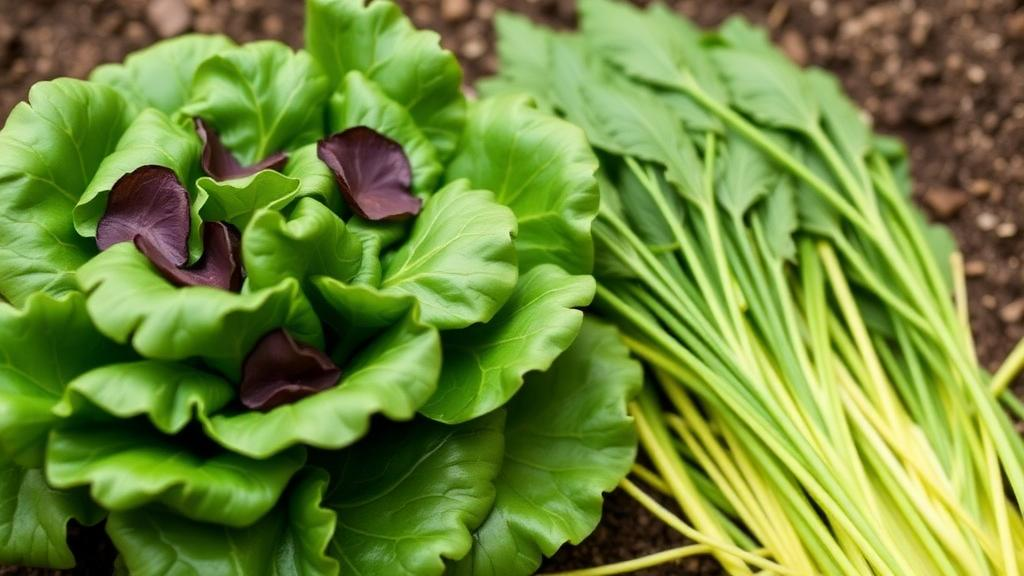
A controlled pot experiment from researchers at Kurukshetra University in India has revealed that some of the world’s most commonly eaten leafy vegetables can accumulate heavy metals at concentrations that occasionally surpass international food safety limits, even when the irrigation water itself appears clean. The study, published in Environmental Monitoring and Assessment, examined fenugreek, spinach, and mustard greens grown with industrial effluents at three different treatment stages, untreated drain water, and groundwater, and found that the vegetables themselves, rather than the soil beneath them, were the weak link in the food safety chain.
The research team, led by Nitika Rani with Pooja Arora and Smita Chaudhry as senior authors, set out to answer a question that affects millions of people across the developing world. As freshwater supplies grow scarcer, farmers increasingly turn to wastewater as a reliable, nutrient-rich alternative for irrigation. But that convenience carries a hidden cost: industrial and municipal effluents can carry chromium, lead, cadmium, copper, and nickel into the food chain, where they concentrate in the edible tissues of plants that people eat, often with minimal processing.
What makes the new study distinctive is its controlled comparative design. Rather than sampling vegetables from fields where countless variables confound the results, the researchers grew their test crops in pots under controlled conditions, irrigating them with water drawn from five distinct sources: effluent after primary treatment, after secondary treatment, and after tertiary treatment, plus raw drain water and clean groundwater. This allowed them to isolate the effect of water quality on metal uptake with unusual precision, and it represents one of the first head-to-head comparisons of primary, secondary, and tertiary-treated wastewater for vegetable cultivation under such conditions.
The water analysis produced a picture that was, on the surface, reassuring. Concentrations of chromium, lead, cadmium, and copper in every irrigation source remained within the permissible limits set by international guidelines. Only nickel broke the rules, exceeding the recommended threshold in drain water. Soil samples told a similar story: heavy metal concentrations in the growing medium stayed within safety thresholds across all treatments. If the analysis had stopped there, the conclusion would have been that treated wastewater is safe for growing food.
But the vegetables told a different story. When the researchers measured metal levels in the harvested fenugreek, spinach, and mustard, they found that chromium, ranging from 5 to 20 milligrams per kilogram, lead at 2.5 to 12.5 milligrams per kilogram, and cadmium at 0.5 to 1.5 milligrams per kilogram occasionally surpassed the limits established by the Codex Alimentarius Commission of the FAO and WHO and by WHO guidelines from 2007. In other words, water and soil that passed regulatory muster still produced vegetables that sometimes failed it.
The explanation lies in plant physiology. Leafy vegetables are among the most efficient accumulators of heavy metals because of how they take up and transport nutrients. Plants possess metal transport systems designed to shuttle essential elements like copper and zinc from roots to shoots, and these same pathways cannot fully distinguish essential micronutrients from toxic neighbors on the periodic table. Spinach, in particular, proved to be an aggressive accumulator. The bioconcentration factor, a ratio comparing metal concentration in plant tissue to that in soil, exceeded the critical value of 1 for both lead and copper in spinach, meaning the plant actively concentrated these metals in its leaves above the levels found in the ground it grew in.
The health risk calculations sharpened the concern. The researchers estimated the daily intake of metals for both adults and children consuming these vegetables and found that children consistently faced higher exposure per unit of body weight. The highest intakes were recorded for nickel in spinach, at 0.04 milligrams per kilogram of body weight in children and 0.03 in adults, followed closely by copper, at 0.015 milligrams per kilogram in children and 0.013 in adults. Because children eat more food relative to their body mass and their developing nervous systems are particularly vulnerable to neurotoxic metals like lead and cadmium, this disparity matters for public health planning.
The hazard index, which aggregates the non-carcinogenic risk from multiple exposure pathways, crossed into the danger zone for specific vegetable-metal combinations. Nickel in spinach and lead in both mustard and fenugreek produced hazard index values indicating a heightened risk of non-carcinogenic health effects, which can include damage to the kidneys, nervous system, and cardiovascular system over years of chronic exposure. While the study did not assess carcinogenic risk, chronic lead and cadmium exposure are both associated with serious long-term outcomes, and no safe blood lead level has been identified by health authorities.
Perhaps the most consequential finding is the disconnect between water quality compliance and food safety. The treated effluents used in the experiment met the relevant standards for irrigation water, yet the crops they nourished still occasionally exceeded food safety limits. This suggests that current wastewater treatment and reuse guidelines, which focus on the water itself, may not adequately protect consumers of leafy vegetables. Metals that fall below detection thresholds of concern in water can still accumulate over a growing season, and the bioconcentration behavior of species like spinach amplifies the exposure. The implication is that safety standards may need to account for the crop type, not just the water source, with leafy accumulators like spinach warranting stricter scrutiny than fruiting or grain crops.
For the millions of urban and peri-urban farmers who depend on wastewater irrigation, the study does not call for an outright ban but for smarter management. The results point toward crop selection as a practical intervention: choosing vegetables that accumulate fewer metals, or reserving treated wastewater for non-food crops, could reduce risk without eliminating a water resource that many communities cannot afford to lose. The researchers emphasize that their controlled pot design, while powerful for isolating variables, now needs to be complemented by field-scale studies that capture the full complexity of real farming systems. As water scarcity intensifies across South Asia and beyond, the question of what flows onto the fields, and what ends up on the plate, is becoming one of the most important food safety issues of the coming decade.
Subject of Research: Heavy metal accumulation in leafy vegetables irrigated with treated and untreated wastewater and associated food safety and health risks
Article Title: Heavy metal contamination in wastewater-irrigated leafy vegetables: implications for food safety
Article References: Rani, N., Arora, P., & Chaudhry, S. (2026). Heavy metal contamination in wastewater-irrigated leafy vegetables: implications for food safety. Environmental Monitoring and Assessment, 198(10), Article 1135. https://doi.org/10.1007/s10661-026-15939-1
Image Credits: AI Generated
DOI: 10.1007/s10661-026-15939-1
Keywords: heavy metals, wastewater irrigation, leafy vegetables, spinach, food safety, bioconcentration factor, health risk assessment, daily metal intake, hazard index, nickel, lead, cadmium
Cite Scienmag News
Violet Maxwell. (October 1, 2026). Wastewater-Irrigated Spinach and Mustard Show Heavy Metal Levels That May Exceed Safety Limits. Scienmag. https://scienmag.com/wastewater-irrigated-spinach-and-mustard-show-heavy-metal-levels-that-may-exceed-safety-limits/
Violet Maxwell. "Wastewater-Irrigated Spinach and Mustard Show Heavy Metal Levels That May Exceed Safety Limits." Scienmag, 1 October 2026, https://scienmag.com/wastewater-irrigated-spinach-and-mustard-show-heavy-metal-levels-that-may-exceed-safety-limits/. Accessed 4 October 2026.
Violet Maxwell. "Wastewater-Irrigated Spinach and Mustard Show Heavy Metal Levels That May Exceed Safety Limits." Scienmag. October 1, 2026. https://scienmag.com/wastewater-irrigated-spinach-and-mustard-show-heavy-metal-levels-that-may-exceed-safety-limits/


