


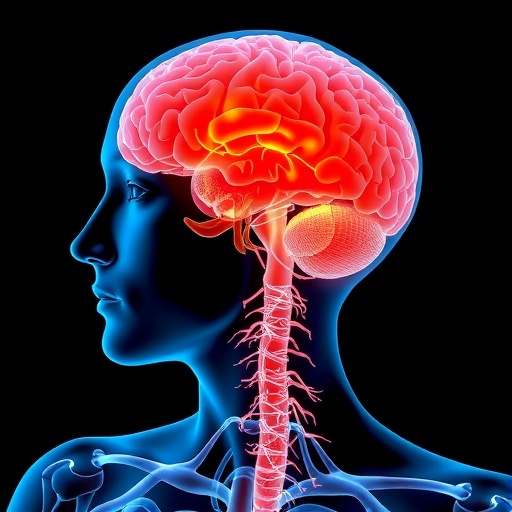
In recent years, the boundary between psychiatric disorders and neurological diseases has become increasingly blurred, prompting a critical reevaluation of diagnostic processes in clinical settings. A groundbreaking study published in BMC Psychiatry sheds new light on the phenomenon where neurological diseases initially manifest predominantly with psychiatric symptoms, leading to frequent misdiagnoses and subsequent delays in appropriate treatment. This revelation challenges the conventional dichotomy between mental health and neurology, emphasizing the need for integrated diagnostic approaches.
The study, conducted at the First Affiliated Hospital of China Medical University between January 2020 and December 2023, meticulously analyzed 298 adult patients initially diagnosed with psychiatric disorders. These patients, all above 18 years of age, were referred through psychiatric outpatient and inpatient services. However, after a detailed reevaluation triggered by inadequate response to psychiatric treatment and symptom progression, 101 individuals were identified whose symptoms were, in fact, due to underlying organic neurological diseases. This retrospective cross-sectional study serves as a landmark for understanding the complex interplay between psychiatric and neurological pathologies.
A striking finding of the research was that a predominant portion of these misdiagnosed cases involved various forms of autoimmune encephalitis. Specifically, autoimmune encephalitis related to leucine-rich glioma-inactivated 1 (LGI1) antibodies accounted for 20% of final diagnoses, followed by N-methyl-D-aspartate receptor (NMDAR) encephalitis at 17%, and gamma-aminobutyric acid B receptor (GABABR) encephalitis at 16%. The autoimmune subtype diversity underscores the critical importance of specialized immunological assays and cerebrospinal fluid (CSF) analyses alongside routine psychiatric evaluations to distinguish these treatable inflammatory diseases from primary psychiatric disorders.
Equally notable, herpes simplex virus encephalitis emerged as another frequent diagnosis, representing 22% of cases. This viral infection of the central nervous system often presents first with behavioral changes and psychiatric symptoms, posing a high risk for misdiagnosis if neuroinfectious considerations are overlooked. Moreover, rarer diagnoses included Creutzfeldt-Jakob disease, N2O (nitrous oxide) abuse, syphilis, and Hashimoto’s encephalopathy, collectively stressing that a wide spectrum of neuropathological entities can masquerade as psychiatric conditions.
The study poignantly emphasizes the clinical ramifications of such misdiagnoses. Psychiatrists and neurologists alike face challenges as patients with organic neurologic etiologies receive standard psychiatric care that is largely ineffective against the underlying disease mechanisms. The resulting delay not only exacerbates neurological deterioration but also squanders valuable medical resources. This interplay highlights a vital need for heightened vigilance, particularly when patients demonstrate poor therapeutic responsiveness or symptom escalation despite conventional psychiatric treatment regimens.
Technological advances have played an instrumental role in unveiling these elusive diagnoses. The research team implemented advanced MRI protocols, including specialized imaging sequences sensitive to subtle inflammatory and structural changes, complementing traditional diagnostic tools. Similarly, electroencephalography (EEG) proved indispensable in detecting characteristic patterns such as epileptiform discharges or encephalopathic changes, which often correlate with specific neurological syndromes that psychiatric assessments alone would fail to identify.
Cerebrospinal fluid analysis was a cornerstone in confirming infectious or autoimmune etiologies. Antibody panels targeting neuronal surface and intracellular antigens allowed for precise classification of autoimmune encephalitides, while polymerase chain reaction (PCR) assays were critical for detecting viral nucleic acids, such as herpes simplex virus DNA. These integrative diagnostic modalities collectively underscore the necessity of multidisciplinary collaboration between neurologists, psychiatrists, immunologists, and infectious disease specialists in arriving at the correct diagnosis.
From a pathophysiological perspective, the convergence of psychiatric symptoms with neurological diseases reflects the profound influence of brain inflammation, autoimmunity, and neurodegeneration on cognitive and affective circuits. Autoimmune encephalitis, for example, involves autoantibodies disrupting synaptic receptors and neurotransmitter function, leading to psychosis, mood disturbances, and cognitive impairment. Similarly, viral encephalitis produces direct neuronal damage coupled with inflammatory cascades that manifest as behavioral abnormalities and delirium, blurring clinical boundaries.
The stigma associated with psychiatric diagnoses further complicates patient management. Patients initially labeled with psychiatric illness often face societal prejudice, which may impede timely investigations for alternative neurological causes. This study advocates for destigmatization efforts alongside clinical awareness campaigns to ensure that diagnostic reassessment is pursued when treatment failure is evident. By reframing psychiatric symptoms as potential harbingers of neurological disease, clinicians can pivot towards prompt immunotherapy, antiviral treatment, or metabolic correction depending on the underlying diagnosis.
Importantly, this research aligns with a growing body of literature that champions precision medicine in neuropsychiatry. It encourages the adoption of tailored diagnostic algorithms incorporating neuroimaging, electrophysiology, CSF studies, and serum biomarkers in patients with atypical or refractory psychiatric presentations. Such approaches promise to improve prognostic outcomes by enabling early, targeted interventions and reducing the burden of chronic psychiatric misdiagnosis.
In conclusion, the study makes a compelling case that the traditional segregation of psychiatry and neurology may inadvertently perpetuate diagnostic errors. By expanding the clinical spectrum of neurologic diseases presenting with psychiatric manifestations, it provides an evidence-based framework for clinicians to enhance diagnostic accuracy dramatically. Ultimately, these findings pave the way for improved patient care paradigms where biological underpinnings are prioritized, stigma is diminished, and therapeutic avenues are optimized based on robust interdisciplinary diagnostics.
This pivotal work serves as a reminder that the neurobiological roots of psychiatric symptoms should never be overlooked. As medicine advances, it is imperative to integrate neurology and psychiatry not only academically but also practically in healthcare systems worldwide. Recognizing the nuanced presentations of nervous system diseases will foster earlier diagnosis, better treatments, and fundamentally transform how psychiatric symptoms are understood in a biological context.
Cite Scienmag News
Glenn Wilkins. (November 10, 2025). Unveiling Nervous System Diseases via Psychiatric Symptoms. Scienmag. https://scienmag.com/unveiling-nervous-system-diseases-via-psychiatric-symptoms/
Glenn Wilkins. "Unveiling Nervous System Diseases via Psychiatric Symptoms." Scienmag, 10 November 2025, https://scienmag.com/unveiling-nervous-system-diseases-via-psychiatric-symptoms/. Accessed 3 September 2026.
Glenn Wilkins. "Unveiling Nervous System Diseases via Psychiatric Symptoms." Scienmag. November 10, 2025. https://scienmag.com/unveiling-nervous-system-diseases-via-psychiatric-symptoms/


