


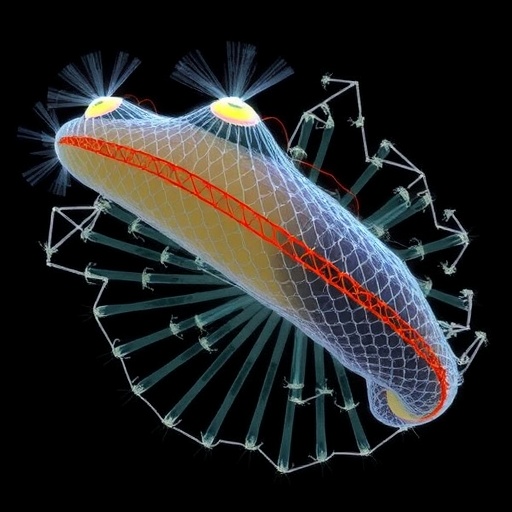
In a groundbreaking study published in BMC Genomics, researchers have unravelled the complex genetic architecture of Amphidinium carterae, a species of dinoflagellate known for its significance in marine ecosystems. Utilizing state-of-the-art nanopore sequencing technology, the team, led by Judd and his colleagues, have provided insights that could revolutionize our understanding of genetic structures in these organisms. This discovery not only enhances our grasp of A. carterae itself but also sets a precedent for future genomic studies in similar microorganisms.
Amphidinium carterae, often described as a collector rather than a hoarder of genetic material, exhibits intricate genomic features that have previously gone unnoticed. The term “collector” is particularly apt, as it suggests a biodiversity of gene structures that contribute to the organism’s adaptability and survival. The research team meticulously analyzed both the structural and functional aspects of the genes present within this dinoflagellate, revealing an unprecedented level of complexity. They discovered that the organism possesses extensive regions of unique sequences that may play critical roles in its ecological niche.
The nanopore sequencing technology employed in this study is a revolutionary technique that allows for real-time monitoring of DNA sequences. This method is advantageous because it can detect long stretches of raw DNA, enabling scientists to observe the natural variations in genetic material. According to the researchers, this technology has provided them with a clearer picture of the genomic landscape of A. carterae, allowing them to identify novel gene structures that were previously obscured by less advanced sequencing methods.
One of the pivotal findings of the research highlighted the existence of a multitude of gene variants within A. carterae. These variants are believed to contribute to the organism’s phenotypic diversity, enabling it to thrive in a variety of marine environments. The researchers suggested that specific gene structures could be linked to the organism’s ability to perform unique metabolic processes, thereby allowing it to adapt to fluctuating conditions in its habitat. This adaptability is crucial, particularly in the face of ongoing climate change and its impact on marine ecosystems.
Moreover, the complexities within the gene structures challenge our existing models of genetic organization in dinoflagellates. The findings indicate that rather than possessing relatively simple genomes as traditionally believed, A. carterae demonstrates a more intricate arrangement that parallels the complexity seen in higher organisms. This revelation serves as a catalyst for re-evaluating our understanding of genetic variation and evolution among both unicellular and multicellular organisms.
The implications of these findings extend beyond the academic realm. With increasing awareness of the roles that microalgae play in carbon cycling, biodiversity, and as primary producers in marine food webs, understanding the genetic underpinnings of A. carterae could have significant environmental implications. This research underscores the importance of studying not just the organisms themselves but their genetic blueprints, which possess untapped potential for biotechnological applications.
Furthermore, the article discusses the potential applications of this research in biotechnology and environmental science. The novel gene structures identified in A. carterae could pave the way for innovations in bioengineering and synthetic biology. With the ability to manipulate these genes, scientists may develop new solutions for combating climate change, improving carbon sequestration techniques, and optimizing algal biofuels, thereby contributing to sustainable energy initiatives.
The research contributes to ongoing discussions within the scientific community about the role of genetic diversity in ecological resilience. The authors advocate for a shift in focus from merely cataloging species to understanding the underlying genetic frameworks that support ecological interactions. This new perspective could lead to more effective conservation strategies aimed at preserving not just the species but the genetic diversity that enables them to adapt to changing environments.
While the research presents a significant leap forward, it also raises new questions about the evolutionary pathways and ecological interactions of A. carterae. As scientists delve deeper into the genomics of this and similar species, they may uncover additional mechanisms that these organisms employ to navigate their ecosystems, potentially leading to unexpected discoveries in marine biology and ecology.
The extensive analysis and findings summarized in the study by Judd et al. offer a glimpse into the future of genomic research, one that emphasizes the complexity, plasticity, and adaptability of life forms previously deemed simpler. This work inspires a rethinking of what we understand about ecosystems’ genetic and functional diversity, opening avenues for interdisciplinary studies that blend genomics with ecological and evolutionary theory.
This research has been made publicly accessible courtesy of the open-access model utilized by BMC Genomics. As discoveries like these become available to a broader audience, the collaborative potential among researchers, conservationists, and policymakers may grow significantly. Increased transparency in research methodologies and findings could foster greater interdisciplinary collaboration, ultimately amplifying the impact of such studies on society and the environment.
In conclusion, the insights gained from studying Amphidinium carterae can significantly benefit both scientific communities and ecological management efforts. It is evident that the intricate gene structures identified in this dinoflagellate play a vital role in its survival and adaptation, offering a rich area for future research. This study not only deepens our knowledge of A. carterae but also highlights the need to continue investigating the genomic complexities in other marine organisms, urging scientists to expand our understanding of the genetic framework that underlies life’s diversity on Earth.
Judd, M., Baldino, A., Wira, J. et al. Collectors, not hoarders: Complex gene structures in Amphidinium carterae revealed through nanopore sequencing. BMC Genomics 26, 992 (2025). https://doi.org/10.1186/s12864-025-12184-7
Cite Scienmag News
Juliet Wilcox. (November 4, 2025). Unveiling Amphidinium carterae’s Complex Genome Through Nanopore. Scienmag. https://scienmag.com/unveiling-amphidinium-carteraes-complex-genome-through-nanopore/
Juliet Wilcox. "Unveiling Amphidinium carterae’s Complex Genome Through Nanopore." Scienmag, 4 November 2025, https://scienmag.com/unveiling-amphidinium-carteraes-complex-genome-through-nanopore/. Accessed 3 September 2026.
Juliet Wilcox. "Unveiling Amphidinium carterae’s Complex Genome Through Nanopore." Scienmag. November 4, 2025. https://scienmag.com/unveiling-amphidinium-carteraes-complex-genome-through-nanopore/


