


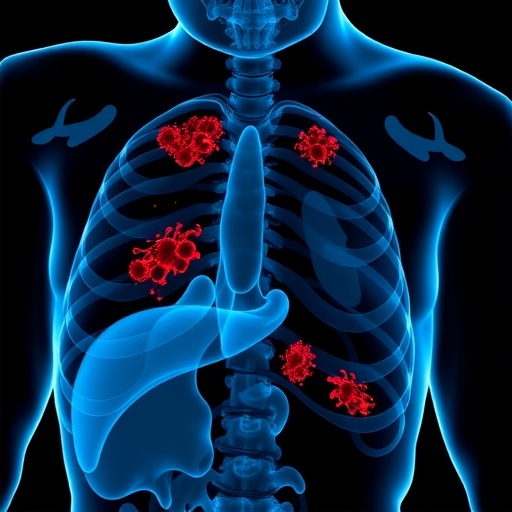
In the fascinating realm of oncology, gastrointestinal stromal tumors (GISTs) have generated considerable interest among researchers and clinicians alike. The discovery and subsequent investigation of risk factors that contribute to the recurrence of jejunoileal GISTs—specifically those classified as low risk according to the National Institutes of Health (NIH) criteria—have paved the way for a more nuanced understanding of this enigmatic disease. Research spearheaded by a team of dedicated scientists, including Sun et al., reveals pivotal insights into these hidden risk factors that could influence the future of patient surveillance and adjuvant therapy.
GISTs primarily originate in the interstitial cells of Cajal or precursor cells, which are located in the gastrointestinal tract. Among these tumors, jejunoileal GISTs are relatively rare yet clinically significant due to their aggressive nature and potential for metastasis. The NIH classification stratifies these tumors based on size, mitotic rate, and location. However, low NIH classification does not equate to a benign pathology; rather, it may mask underlying risks for recurrence that are yet to be fully elucidated.
The team’s groundbreaking research attests to the complexities involved in assessing GIST recurrence risks. Through statistical analyses and a robust cohort of patients, Sun et al. delved deeper into various clinical and biological parameters. They employed methodologies that included retrospective case reviews, which are invaluable in shaping current understandings and guidelines in oncology. This meticulous approach allowed them to uncover hidden variables that are often overlooked in conventional assessments.
Recurrence of GISTs can occur even in cases classified as low risk. The findings of Sun et al. emphasize the critical importance of ongoing monitoring and evaluation of patients even after initial treatments have concluded. This research poses an urgent call to action for oncologists and surgeons to refine their surveillance protocols, ensuring that elevated vigilance is maintained for this patient population. Early intervention in cases of recurrence could be vital in improving overall patient prognosis.
Additional areas explored within the study include the role of molecular markers and genetic mutations. GISTs are often associated with mutations in the KIT or PDGFRA genes; however, the correlation between these mutations and recurrence remains poorly understood. By identifying specific genetic profiles associated with higher recurrence risks, clinicians may soon be able to personalize therapy more effectively. This tailored approach could involve not only conventional surgical interventions but also the integration of targeted therapies that address the genetic underpinnings of each patient’s tumor.
Furthermore, the study explores the implications of tumor size and mitotic activity on the likelihood of recurrence. Patients with larger tumors and higher mitotic indices exhibited a disturbing trend toward worse outcomes. The findings issue a clarion call for reevaluation of the criteria used to classify and stratify these tumors, as traditional metrics may not encompass the full range of prognostic indicators. By advancing our understanding of these relationships, oncologists could employ more accurate risk stratification, leading to enhanced patient management strategies.
The research also posits that additional external factors such as patient demographics and lifestyle choices may influence recurrence rates. This insight opens new avenues for understanding not only the biology of GISTs but also socio-environmental aspects that could contribute to cancer outcomes. The potential integration of lifestyle modifications and patient education into treatment protocols represents a dynamic shift in how GISTs may be approached holistically.
Adjuvant therapy following surgical resection of GISTs remains a topic of heated debate among oncologists. Some medical facilities advocate for adjuvant imatinib in select cases, while others approach treatment more conservatively. The findings presented by Sun et al. could reformulate how adjuvant therapies are prescribed, determining which patients may benefit the most from additional treatments after surgery, thereby mitigating risks of recurrence.
The study also serves as a critical reminder about the importance of interdisciplinary collaboration in cancer research. Improvements in treatment outcomes for GISTs will likely hinge upon cooperation between pathologists, geneticists, medical oncologists, and surgical specialists. Sharing knowledge and resources can enhance data collection and analysis, paving the way for breakthroughs that might otherwise remain elusive.
In the realm of clinical practice, the implications of Sun et al.’s findings are monumental. They underscore the necessity for oncologists to remain acutely aware of the multifactorial nature of GIST recurrence. Such an understanding is essential not only for advancing surveillance protocols but also for developing future research agendas that prioritize personalized medicine and targeted therapies.
As the scientific community continues to unravel the mysteries associated with GISTs, the revelations brought forth by this study will likely ripple through the oncology landscape, influencing treatment strategies and improving outcomes for patients. Research breakthroughs such as these invigorate hope for those diagnosed with GISTs, offering a glimpse into a future where recurrence can be effectively managed or even prevented.
In conclusion, the work of Sun et al. stands as a testament to the complex interplay of biological, clinical, and lifestyle factors that contribute to the recurrence of jejunoileal GISTs. With ongoing research and a commitment to patient-centered care, the oncology community is poised to make significant strides in understanding and addressing these hidden risk factors. As attention shifts toward individualized treatment plans and the potential for groundbreaking therapeutic interventions, the journey towards improved survival rates for GIST patients embarks on a new and hopeful chapter.
Sun, X., Sun, Y., Xiong, R. et al. Hidden risk factors for recurrence of jejunoileal Gastrointestinal stromal tumors with low NIH classification: implications for surveillance and adjuvant therapy.
J Transl Med 23, 1156 (2025). https://doi.org/10.1186/s12967-025-07163-1
Cite Scienmag News
Nathaniel Bowman. (October 23, 2025). Unseen Risks in Low-Class GIST Recurrence Identification. Scienmag. https://scienmag.com/unseen-risks-in-low-class-gist-recurrence-identification/
Nathaniel Bowman. "Unseen Risks in Low-Class GIST Recurrence Identification." Scienmag, 23 October 2025, https://scienmag.com/unseen-risks-in-low-class-gist-recurrence-identification/. Accessed 5 September 2026.
Nathaniel Bowman. "Unseen Risks in Low-Class GIST Recurrence Identification." Scienmag. October 23, 2025. https://scienmag.com/unseen-risks-in-low-class-gist-recurrence-identification/


