


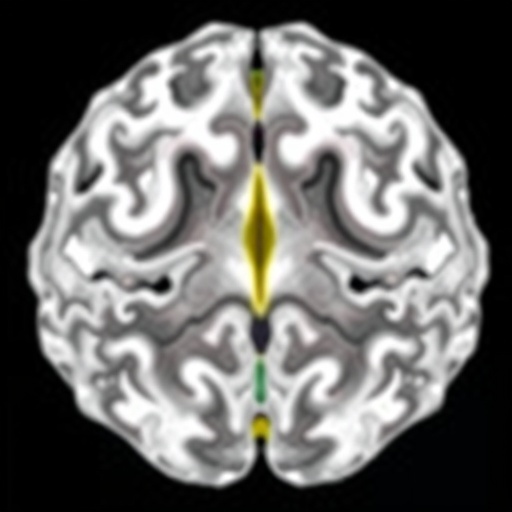
In a groundbreaking leap for cancer genomics, a team of researchers led by Tang, Lo, and Chu has illuminated the vast and previously uncharted isoform diversity within glioblastoma tumors using an innovative long-read single-cell sequencing approach. Published in Nature Communications in 2026, their study heralds a new era in understanding the molecular complexity of one of the most aggressive and fatal brain cancers. Their cutting-edge methodology unravels the intricate landscape of transcript isoforms at an unprecedented resolution, offering promising avenues for precise diagnostics and tailored therapeutics.
Glioblastoma, a highly malignant primary brain tumor, has long defied therapeutic efforts due to its heterogeneity at both cellular and molecular scales. Conventional sequencing technologies based on short-read approaches have cataloged some genetic mutations and broad transcriptomic profiles but have fallen short in capturing the full repertoire of RNA isoforms that arise from alternative splicing and transcription events. These isoforms modulate cancer cell plasticity and drug resistance, underscoring the need for deeper insights into their dynamic expression.
The study leverages the power of long-read sequencing technology coupled with single-cell resolution to dissect the isoform diversity at a scale and precision previously unattainable. Whereas typical short-read sequencing fragments RNA transcripts into small pieces, making isoform identification challenging due to reassembly ambiguities, long-read sequencing sequences RNA molecules end-to-end. This capability allows direct and accurate identification of full-length isoforms, revealing novel variants that had escaped detection.
By applying this approach to thousands of individual glioblastoma cells, the researchers constructed a comprehensive atlas of isoform diversity within tumor populations. Their data showcased a staggering variety of transcript isoforms generated through alternative splicing, alternative promoter usage, and alternative polyadenylation. These isoforms displayed cell-type–specific and tumor-region–specific patterns, indicating heterogeneity not just at the genetic level but also in post-transcriptional regulation.
One of the landmark discoveries from this work is the identification of previously unannotated isoforms uniquely enriched in glioblastoma stem-like cells, which are implicated in tumor initiation, progression, and recurrence. The presence of these isoforms adds new layers of complexity to our understanding of how cancer stemness and cellular hierarchies are maintained. This revelation emphasizes that the therapeutic targeting of glioblastoma will require strategies that account for isoform-level variations rather than merely gene-level alterations.
Molecular signaling pathways critical for glioblastoma pathophysiology, such as the RTK/PI3K and p53 pathways, were found to express diverse isoforms with distinct functional domains altered or omitted through splicing events. This mechanistic insight suggests that alternative isoforms could differentially regulate tumor growth and response to therapies, potentially explaining why some patients exhibit resistance despite the presence of canonical pathway mutations.
The authors also adapted sophisticated bioinformatics pipelines tailored to long-read data, enabling robust isoform identification, quantification, and characterization in single cells. The algorithms accounted for sequencing errors intrinsic to long-read platforms, enhancing data accuracy through hybrid error correction and consensus-building strategies. This computational innovation is a significant contribution, making their approach reproducible and scalable to other cancers and tissue types.
The spatial dimension was not neglected: by integrating isoform expression data with tumor microenvironment profiling, the study illustrated how interactions with immune cells and stromal components shape isoform landscapes. This crosstalk appears to modulate the expression of isoforms involved in immune evasion and extracellular matrix remodeling, processes essential for tumor invasion and metastasis.
Furthermore, this research highlights the translational potential of isoform profiling for enhancing diagnostic precision. The authors demonstrated that isoform signatures could stratify glioblastoma patients with greater accuracy than gene expression profiles alone, opening new pathways for prognostic biomarker development. This could eventually lead to more personalized treatment regimens tailored to the molecular intricacies of each patient’s tumor isoform composition.
Importantly, the team validated several novel isoforms at the protein level using mass spectrometry and other molecular assays, confirming that alternative splicing events translate into functionally relevant protein variants. These novel proteins may represent untapped targets for drug development, leveraging structural differences to achieve selective anti-tumor effects.
The long-read single-cell sequencing approach also revealed temporal changes in isoform expression during tumor evolution and in response to therapy. Tracking such dynamic isoform shifts may provide real-time insights into emerging resistance mechanisms, enabling adaptive therapeutic interventions before clinical relapse occurs.
Expert commentary accompanying the article notes that this research shatters the long-standing bottleneck of isoform ambiguity in cancer genomics, transitioning the field from gene-centric views to a nuanced landscape where transcript diversity dictates cellular behavior. The implications extend beyond glioblastoma, as isoform heterogeneity is a feature emerging in numerous cancers and complex diseases.
As the technology becomes more accessible and cost-effective, it is expected that clinical laboratories will incorporate long-read single-cell isoform profiling into standard diagnostic workflows. This paradigm shift promises to enhance early detection, enable molecular subtyping, and refine treatment decisions not only in glioblastoma but across a spectrum of malignancies.
In conclusion, the work by Tang and collaborators represents a seminal achievement in molecular oncology, marrying technological innovation with deep biological insight. Their comprehensive isoform atlas illuminates new fundamental features of glioblastoma biology, setting the stage for a new generation of research and therapeutic strategies aimed at conquering this devastating disease. This study exemplifies how the intersection of cutting-edge sequencing, single-cell resolution, and computational prowess can redefine our grasp of cancer complexity.
Cite Scienmag News
Nathaniel Bowman. (April 23, 2026). Unraveling Glioblastoma Isoform Diversity with Long-Read Single-Cell Analysis. Scienmag. https://scienmag.com/unraveling-glioblastoma-isoform-diversity-with-long-read-single-cell-analysis/
Nathaniel Bowman. "Unraveling Glioblastoma Isoform Diversity with Long-Read Single-Cell Analysis." Scienmag, 23 April 2026, https://scienmag.com/unraveling-glioblastoma-isoform-diversity-with-long-read-single-cell-analysis/. Accessed 4 September 2026.
Nathaniel Bowman. "Unraveling Glioblastoma Isoform Diversity with Long-Read Single-Cell Analysis." Scienmag. April 23, 2026. https://scienmag.com/unraveling-glioblastoma-isoform-diversity-with-long-read-single-cell-analysis/


