


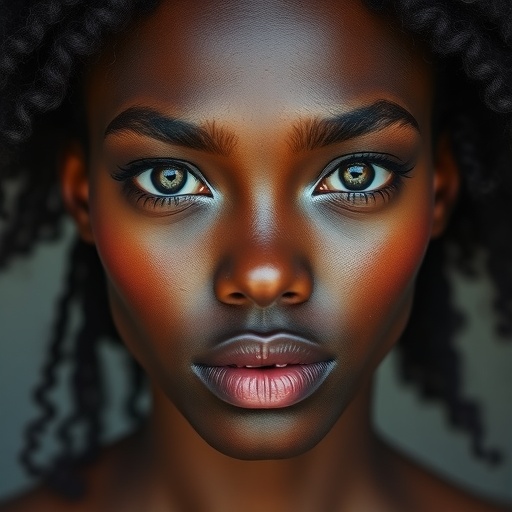
Recent advancements in science have brought a deeper understanding of the molecular intricacies that underlie skin color variation. A groundbreaking study led by researchers Samra, E.B., Leclercq, M., and Sok, J. has made significant strides in this area by utilizing transcriptomics in conjunction with machine learning techniques. This innovative approach not only offers insights into the biological mechanisms of skin pigmentation but also sheds light on the evolutionary context of these variations across different populations.
At the heart of this research lies the application of transcriptomics, a field dedicated to the study of the RNA molecules produced in cells as a response to various stimuli. By examining the profiles of gene expression related to skin color, the team aimed to unravel the complex interactions between genetic predispositions and environmental influences. This method allows for a comprehensive view of which genes are turned on or off in different skin types, providing a molecular genetics perspective that has been lacking in previous studies.
One of the pivotal findings of the research was the identification of multiple genes associated with melanin production. Melanin, the pigment responsible for skin color, is not only a crucial factor in determining an individual’s hue but also plays a significant role in protecting the skin from harmful UV radiation. The study emphasizes that variations in melanin synthesis can be attributed to both genetic factors and adaptation to diverse environmental conditions over the millennia. As populations migrated and settled in various geographical regions, the selective pressures exerted by the environment likely shaped the genetic variations observed today.
Moreover, this study harnessed machine learning algorithms to analyze vast datasets, allowing researchers to predict skin color variation based on genetic information. This computational approach proved to be powerful in discerning patterns that would have been nearly impossible to extract manually. Machine learning serves as a revolutionary tool in modern biology, offering predictive capabilities that can advance our understanding of complex traits such as skin pigmentation.
Notably, the team also delved into the socio-cultural implications of skin color variation. The stigmas and societal perceptions associated with different skin tones remind us that beyond the science, there are significant historical and cultural narratives intricately woven into the fabric of human experiences. Recognizing these aspects is crucial for fostering a more informed and empathetic dialogue surrounding diversity and inclusion in society.
Diving deeper, the research outlined potential applications of understanding skin color in medical contexts. For instance, various skin conditions, reactions to medications, and disease susceptibility can be influenced by an individual’s skin type. By comprehending the molecular underpinnings of skin pigmentation, healthcare professionals could tailor dermatological approaches and treatments to be more effective for individuals with varying skin tones.
Additionally, findings from this research prompt discussions about the ethics of genetic research related to human traits. As the study highlights the biological basis for skin color, it brings forth questions regarding bioethics, particularly concerning the potential misuse of genetic data. It becomes increasingly important for the scientific community to navigate the fine line between advancing our knowledge and ensuring that such knowledge is used responsibly and ethically.
This thorough investigation into skin color variation not only fills gaps in our current understanding of human genetics but also acts as a springboard for future research. Scientists now have the opportunity to explore how other physical traits are influenced by genetic expression and environmental factors. Furthermore, this study sets a precedent for interdisciplinary collaborations between genetics, computational biology, and social sciences, creating a holistic approach to understanding human diversity.
In conclusion, the integration of transcriptomics and machine learning in this innovative research represents a crucial leap toward comprehending the complex nature of skin color variation. The work by Samra and colleagues opens the door for further studies that may address both the biological significance and societal implications of such variations in skin pigmentation. It encourages ongoing dialogue in genetics, medicine, and social justice, fostering a more inclusive society based on knowledge and understanding.
Thus, studies like this highlight the inherent beauty of human diversity while also calling upon us to embrace an ever-evolving understanding of genetics in relation to our shared existence on this planet. The molecular basis of skin color variation is not merely a scientific endeavor but a reflection of our interconnectedness and the varied narratives we embody.
As we reflect on this research, it becomes evident that the quest to scrutinize and reveal the complexities of skin pigmentation is not only a pursuit of knowledge but also an essential step towards fostering mutual respect and appreciation for the diversities that make us human.
Cite Scienmag News
Juliet Wilcox. (December 19, 2025). Unlocking Skin Color Diversity with AI and Genetics. Scienmag. https://scienmag.com/unlocking-skin-color-diversity-with-ai-and-genetics/
Juliet Wilcox. "Unlocking Skin Color Diversity with AI and Genetics." Scienmag, 19 December 2025, https://scienmag.com/unlocking-skin-color-diversity-with-ai-and-genetics/. Accessed 4 September 2026.
Juliet Wilcox. "Unlocking Skin Color Diversity with AI and Genetics." Scienmag. December 19, 2025. https://scienmag.com/unlocking-skin-color-diversity-with-ai-and-genetics/


