

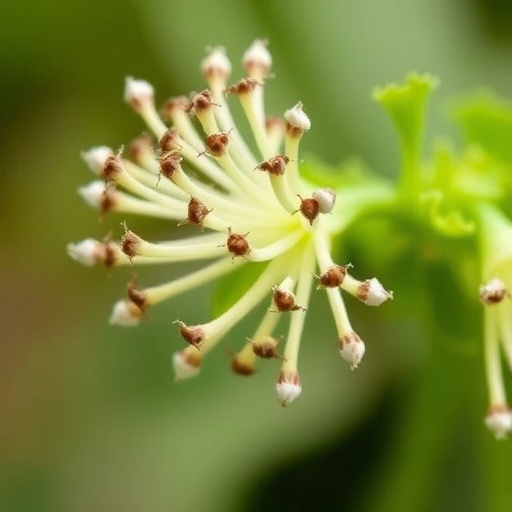
In a groundbreaking study that merges molecular biology, nutritional science, and environmental dynamics, researchers have initiated a comprehensive examination of Fagopyrum species. This genus, more commonly known for its representative buckwheat, has garnered attention not just as a staple grain but also for its rich nutritional profile and its potential health benefits, largely attributed to flavonoids and other phytochemicals. The recent work authored by Hami et al. has revealed significant insights into the DNA barcoding, nutritional profiling, and the temporal and spatial expression of key flavonoid-related genes in various genotypes of Fagopyrum.
The research offers a meticulous approach, beginning with DNA barcoding—a powerful molecular tool used to identify species accurately. This technique is vital in the context of increasing agricultural biodiversity and the preservation of traditional genetic resources. The authors deployed this method across several distinct genotypes, establishing a genetic baseline that enhances our understanding of the species diversity within the genus Fagopyrum. By employing mitochondrial and plastid genes, they successfully illustrated notable variances in genetic markers among the genotypes analyzed.
In a parallel effort, nutritional profiling was conducted to assess the phytochemical composition of different Fagopyrum species. Nutritional analytics revealed that specific genotypes possessed elevated levels of essential nutrients such as proteins, vitamins, and minerals. Among these, balanced amino acid profiles were particularly noteworthy, showcasing the potential of these grains as a staple for both human consumption and animal feed. This information is perched on the edge of relevance, given the global nutrition crisis and the growing interest in alternative food sources that can support health and wellness.
As the research delved deeper, it uncovered the dynamic role of flavonoids within Fagopyrum species. These secondary metabolites are renowned for their antioxidant properties and health-promoting capabilities. Hami et al. meticulously examined the spatio-temporal gene expression of flavonoid biosynthesis pathways, revealing how environmental conditions—such as soil quality, climate, and seasonal changes—can drastically influence flavonoid production. This aspect of the study opens new avenues for enhancing flavonoid content through agricultural practices that align with the plants’ natural habitats.
The correlation between environmental factors and gene expression was particularly telling. The study indicated that variations in light exposure, temperature, and water availability could significantly modulate the activity of genes associated with flavonoid biosynthesis. This insight could prove invaluable for agriculturalists striving to optimize the potential of Fagopyrum species within diverse ecological contexts, leading to better cultivars tailored to specific conditions.
Moreover, Hami et al. broadened the scope of their research by incorporating the impact of cultivation practices on the nutritional quality of these plants. By juxtaposing traditional farming methods against modern technological advances, the authors were able to deduce that organic farming, particularly when combined with crop rotation strategies, tended to produce genotype variations that were richer in nutrients and flavonoids. Such findings underscore the importance of sustainable agricultural systems not only for crop yield but also for enhancing food quality.
In the dialogue about food security, nutritional content, and sustainable agriculture, the work done by these researchers stands as a testament to the critical intersections of genetics, nutrition, and agriculture. The study also highlights the growing need for comprehensive research that informs both practitioners and consumers about the health benefits of diverse crop species.
The implications of Hami et al.’s findings reach far beyond the academic realm. As the world shifts towards embracing more plant-based diets, understanding the nutritional potential of underutilized crops like Fagopyrum becomes essential. Consequently, promoting these crops can enhance biodiversity, contribute to sustainable food systems, and combat nutritional deficiencies experienced by many populations globally.
This research reflects a paradigm shift in how we perceive and utilize lesser-known crops in the global food system. The molecular insights gleaned from DNA barcoding could serve as a model for similar studies aimed at other underappreciated species, truly mirroring the age-old adage that knowledge is power. Furthermore, as the study gets attention across various platforms, it emphasizes the necessity for policy changes that support research in biodiverse crops.
As the growing climate crisis persists, the resilience offered by diverse genetic pools proves invaluable. The work of Hami et al. is crucial in advocating for the preservation and study of genetic resources that may endure climatic challenges better than conventional options, thereby securing food systems for future generations.
In summary, the comprehensive analysis provided by Hami et al. allows for a multifaceted approach towards understanding Fagopyrum species—a crop with untapped potential. With continued research and emphasis on sustainable practices, these grains could emerge not only as a crucial dietary component but also as a beacon of hope in the quest for food security.
The study authored by Hami et al. has successfully laid a robust foundation for future research into the genomic and phenotypic characteristics of Fagopyrum species. By using advanced techniques like DNA barcoding and nutritional profiling, researchers now have the tools necessary to dive even deeper into the genetic intricacies that dictate the traits of this genus. As awareness and research grow, the potential for Fagopyrum may be harnessed to its fullest, ushering in a new era of food production that is both nutritious and sustainable.
Subject of Research: Nutritional profiling and gene expression analysis of Fagopyrum species.
Article Title: DNA barcoding, nutritional profiling, and spatio-temporal flavonoid gene expression analysis of distinct genotypes of Fagopyrum species.
Article References: Hami, A., Mir, R.A., Urwat, U. et al. DNA barcoding, nutritional profiling, and spatio-temporal flavonoid gene expression analysis of distinct genotypes of Fagopyrum species. Discov Agric 3, 278 (2025). https://doi.org/10.1007/s44279-025-00457-4
Image Credits: AI Generated
DOI: https://doi.org/10.1007/s44279-025-00457-4
Keywords: DNA barcoding, nutritional profiling, flavonoids, Fagopyrum species, gene expression, sustainable agriculture.


