


Prostate cancer remains a significant public health issue, accounting for the second-highest number of cancer-related deaths in American men. The disease exhibits a concerning disparity in incidence and mortality rates, particularly affecting non-Hispanic Black populations, who face both a higher likelihood of diagnosis and a greater risk of dying from the disease compared to their non-Hispanic white counterparts. These alarming statistics underscore the critical importance of early and accurate diagnosis, which often necessitates a biopsy when specific risk factors emerge. Such factors include age, family medical history, presenting symptoms, and the results from preliminary screening tests.
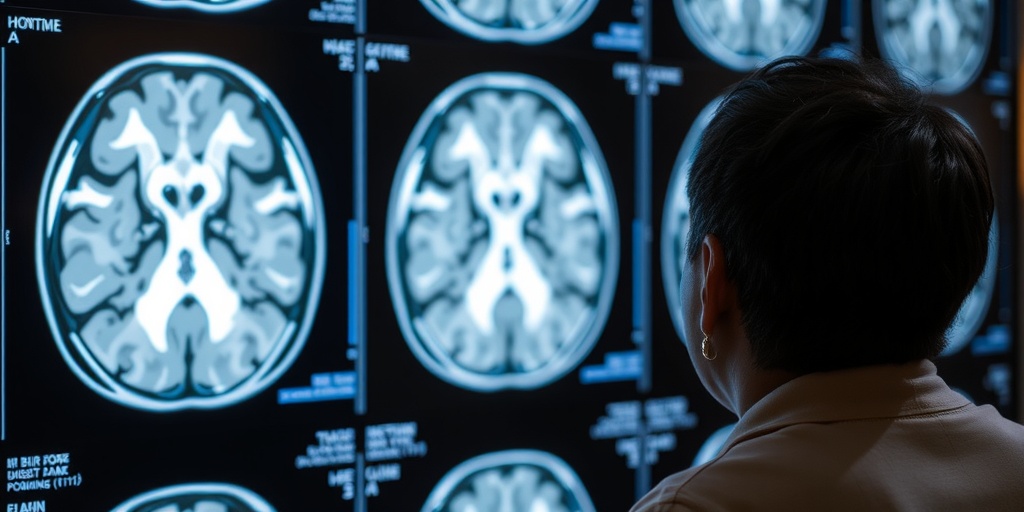
When it comes to procuring viable biopsy samples, advancements in imaging technologies such as ultrasound and magnetic resonance imaging (MRI) have revolutionized the procedure, offering medical professionals enhanced guidance and precision. Notably, MRI has gained recognition in recent years, thanks to clinical guidelines recommending its usage as a superior diagnostic tool for detecting prostate cancer. This shift towards incorporating MRI into the diagnostic process has stemmed from its ability to identify cancers with greater accuracy, thus potentially improving patient outcomes.
A recent investigation conducted by researchers at Thomas Jefferson University sought to unravel the complexities surrounding MRI’s use in diagnosing prostate cancer from 2012 to 2019. This significant study leveraged one of the most expansive cancer databases available, aiming to discern whether the growing reliance on MRI technology has inadvertently contributed to disparities in cancer care. The findings present a compelling narrative regarding the evolution of diagnostic practices within the context of social inequities in healthcare access.
Dr. Christiane El Khoury, the assistant director of cancer research administration at Jefferson and the study’s lead author, articulated the benefits of MRI in this context. She emphasized that MRI-guided biopsies not only enhance the accuracy of cancer detection but also have been linked to a reduction in the necessity for follow-up biopsies. However, it is vital to acknowledge the financial implications associated with these advanced imaging techniques. Costs are notably higher for MRI, which can lead to elevated out-of-pocket expenses for patients, posing an additional barrier to access.
The study’s revelations indicated a persistent gap in MRI utilization rates between Black and white patients diagnosed with prostate cancer. While the researchers were encouraged to observe that this gap was reduced by half in 2019—shrinking from 43% in 2012 to approximately 20%—it remains apparent that inequalities in healthcare access are far from resolved. Nevertheless, these advancements signal a positive trajectory towards improving equity in cancer diagnostics.
Rural healthcare disparities were similarly highlighted within the study’s findings. The researchers discovered that patients residing in rural areas are 35% less likely to receive MRI diagnostics compared to their urban counterparts, with this percentage remaining relatively stable throughout the study period. Such a significant divide underscores the ongoing challenge of ensuring equitable healthcare access, particularly for marginalized populations residing outside urban centers.
Regional variations in MRI usage revealed further complexity in understanding disparities in prostate cancer care. The study found stark differences in MRI implementation across the United States: markedly lower usage rates were observed in the South and Central regions compared to the West. This geographical discrepancy calls for more targeted efforts in addressing localized barriers to accessing advanced diagnostic technologies, as understanding these metrics is crucial to devising effective interventions.
Dr. Grace Lu-Yao, a population science researcher and professor at the Sidney Kimmel Comprehensive Cancer Center at Jefferson Health, is leading initiatives to explore geographic disparities more thoroughly. Her research team aims to identify clusters of high and low MRI utilization with the objective of further informing strategies to enhance access and optimize patient outcomes in prostate cancer diagnostics.
The researchers express an unwavering commitment to their work, with Dr. El Khoury emphasizing the significance of uncovering the drivers behind these disparities. A crucial part of their mission involves not only recognizing barriers but also actively working to dismantle them. They are hopeful that by increasing access to MRI resources, they can contribute meaningfully to improving long-term outcomes for prostate cancer patients across varying demographics.
While progress has undoubtedly been made, it is crucial to remain vigilant in addressing the multifaceted components of healthcare disparities. As advancements in medical technology such as MRI continue to evolve, a concerted effort must accompany these innovations to ensure that all patients, regardless of race or locality, benefit from the tools available to diagnose and treat prostate cancer effectively. The road ahead requires collaboration among healthcare providers, policymakers, and advocacy groups to bridge existing gaps in care and drive systemic change.
Ultimately, this research offers a valuable lens through which to view the intersection of technology and equity in healthcare. As society strives for inclusivity in healthcare, understanding the nuances of diagnostic tool utilization can serve as a catalyst for broader conversations about access, affordability, and effective policy changes. It is a critical moment for stakeholders to rally together in ensuring that disparities in healthcare do not undermine the potential for improved diagnostic efficacy and patient outcomes for all.
Cite Scienmag News
Nathaniel Bowman. (March 25, 2025). Unequal Access to MRI: A Barrier in Prostate Cancer Detection. Scienmag. https://scienmag.com/unequal-access-to-mri-a-barrier-in-prostate-cancer-detection/
Nathaniel Bowman. "Unequal Access to MRI: A Barrier in Prostate Cancer Detection." Scienmag, 25 March 2025, https://scienmag.com/unequal-access-to-mri-a-barrier-in-prostate-cancer-detection/. Accessed 4 September 2026.
Nathaniel Bowman. "Unequal Access to MRI: A Barrier in Prostate Cancer Detection." Scienmag. March 25, 2025. https://scienmag.com/unequal-access-to-mri-a-barrier-in-prostate-cancer-detection/


