


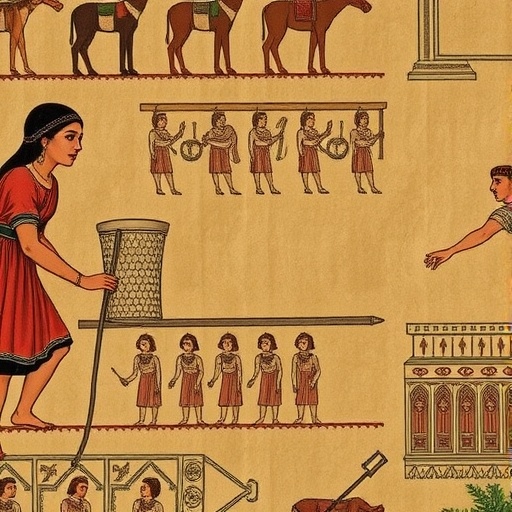
In a groundbreaking study, researchers led by García-Martínez and colleagues have unveiled a fascinating glimpse into the daily lives of inhabitants at Las Eras del Alcázar, a significant archaeological site located in Úbeda, Jaén, in Southern Iberia. Their research focuses on the analysis of phytoliths and calcitic microfossils, offering new insights into domestic activities that took place at this location. This work represents a significant step forward in our understanding of past human behaviors and agricultural practices in this historically rich region.
Phytoliths, microscopic silica structures formed within the cells of plants, serve as invaluable indicators of ancient flora and can provide context for various agricultural activities. By examining the composition and distribution of these phytoliths, researchers have been able to identify the types of crops cultivated by the inhabitants of Las Eras del Alcázar. This analysis indicates a diverse range of agricultural practices that included the cultivation of cereals such as wheat and barley, as well as pulses and possibly other crops suitable for the Mediterranean climate.
Moreover, the study of calcitic microfossils, which often include various forms of microscopic carbonate structures, adds another layer of understanding to the environment surrounding Las Eras del Alcázar. These microfossils can reveal information about soil composition and the sedimentary environment, allowing researchers to reconstruct the ecological conditions during the time the site was occupied. This dual approach, utilizing both phytolith and calcitic evidence, illustrates the complexity of the interaction between human activities and the surrounding environment.
The timeline of habitation at Las Eras del Alcázar is notably enriched by the findings presented in this study. Evidence gathered through these methods suggests that the site may have been occupied during various significant historical periods, making it a focal point for researchers interested in the transitions and developments in ancient Iberian societies. The intersection of agriculture, domestic life, and ecological dynamics is vividly illustrated through the assemblage of data gathered from this site.
Through meticulous excavation and analysis, García-Martínez and the research team have been able to draw connections between the microscopic evidence and broader anthropological narratives. The presence of specific phytoliths alongside calcitic microfossils tells a compelling story of resilience and adaptation among the site’s ancient inhabitants. This pattern of agricultural practice not only highlights the subsistence strategies employed but also sheds light on the social structures that may have been in place within these communities.
What sets this study apart is the multidisciplinary approach undertaken by the researchers, incorporating paleoecology, archaeology, and ethnobotany. Such an integrative methodology allows for a more nuanced comprehension of how humans interacted with their environment over long periods. The findings affirm the importance of archaeological sites like Las Eras del Alcázar, which act as time capsules that can provide a wealth of knowledge about historical lifestyles, agricultural techniques, and environmental management.
Researchers have also contemplated the socio-political implications of their findings. The cultivation of cereals and pulses not only supports the dietary needs of a community but can also signify broader economic practices, such as trade and surplus production. These elements contribute to discussions surrounding the emergence of complexity in ancient societies, suggesting that Las Eras del Alcázar may have played a vital role in regional interactions and trading networks in Southern Iberia.
Furthermore, the significance of studying domestic activities at such archaeological sites transcends mere historical curiosity. It offers essential insights into sustainable practices and resource management that can inform contemporary agricultural approaches. By understanding how past societies navigated their ecological landscapes, modern communities can glean lessons on resilience and adaptation that are ever more pertinent in our current era of climate change and agricultural disruption.
The implications of this research extend to various fields, inviting future scholars to build upon the foundation laid by García-Martínez and his team. The use of advanced techniques in archaeology, such as isotopic analysis and GIS mapping, could further enhance the understanding of human-environment interactions during the time when Las Eras del Alcázar was populated.
In wrapping up their findings, the researchers emphasize the need for continued exploration of the archaeological record in Southern Iberia. The region is rich in untapped potential, with countless sites that could shed light on various aspects of human history. There is a call to action for the academic community to invest in further research in this area, ensuring that the stories of past societies continue to emerge from the depths of history.
This study on Las Eras del Alcázar stands as a testament to the power of interdisciplinary research in unearthing the secrets of our shared past. As humanity grapples with its relationship to agriculture and the environment, the lessons learned from the inhabitants of this ancient site remain ever-relevant, echoing through time to inform the choices we make today.
In summary, the exploration of domestic activities at Las Eras del Alcázar through phytolith and calcitic microfossil evidence offers groundbreaking insights into historical agricultural practices and socio-ecological dynamics. The work serves as a reminder of the enduring legacy of past communities and the intricate tapestry of human life that continues to be woven into our understanding of history.
Cite Scienmag News
Courtney Benton. (November 24, 2025). Uncovering Domestic Life in Ancient Iberia. Scienmag. https://scienmag.com/uncovering-domestic-life-in-ancient-iberia/
Courtney Benton. "Uncovering Domestic Life in Ancient Iberia." Scienmag, 24 November 2025, https://scienmag.com/uncovering-domestic-life-in-ancient-iberia/. Accessed 6 September 2026.
Courtney Benton. "Uncovering Domestic Life in Ancient Iberia." Scienmag. November 24, 2025. https://scienmag.com/uncovering-domestic-life-in-ancient-iberia/


