

In recent years, the integration of artificial intelligence in various sectors has ignited a significant transformation in how we approach tasks that were traditionally carried out by humans. This shift is particularly evident in the field of education, where AI-based tools, such as chatbots, have emerged as vital resources. A groundbreaking study conducted in Turkey offers valuable insight into the acceptance and potential impact of these AI mechanisms on the educational landscape, particularly from the perspective of physiotherapy students. This exploration was led by researchers Güler, M.A., Dağ, S., Kayal, S., and their colleagues, who collectively examined the perceptions and acceptance levels of these future healthcare professionals regarding AI-driven educational tools, including notable mentions like ChatGPT.
The study delves into the multifaceted role that AI chatbots can play in education, emphasizing their capability to enhance learning experiences. By facilitating personalized responses and adaptive learning pathways, AI chatbots have the potential to cater to individual student needs more effectively than traditional teaching methods. This adaptive nature allows educators to utilize technology to create a more dynamic and interactive learning environment, transforming the educational experience for students who often face diverse learning challenges.
Physiotherapy, as a discipline, requires a robust educational foundation and the ability to adapt to new information swiftly. The integration of AI in physiotherapy education could revolutionize how students access knowledge and apply it practically. The study highlights the ability of AI chatbots to provide instant feedback and assistance, reducing the traditional barriers that students often encounter in seeking educational support outside of academic hours. This collaborative potential between technology and traditional education models marks a significant step forward in improving student engagement and performance.
One of the vital findings of Güler and colleagues’ research was the notable acceptance of AI chatbots among students. Their research outlines that many physiotherapy students recognized the advantages of utilizing chatbots for various tasks, ranging from administrative queries to comprehensive study support. The students expressed enthusiasm about employing such tools, indicating a willingness to embrace the intersection of technology and education. This acceptance marks an important cultural shift in the educational sector, where emerging technologies are increasingly being recognized for their potential to enhance learning experiences.
Furthermore, the study also identifies the barriers that may hinder the widespread adoption of AI tools in education. Notably, concerns over data privacy and the reliability of the information provided by chatbots were significant topics of discussion among participants. As AI continues to proliferate, it is crucial for educational institutions to meticulously address these concerns, ensuring that students feel secure in the utilization of AI tools, thereby fostering an environment that encourages technological engagement without compromising personal information.
An essential aspect of the research underscores the importance of ensuring that educational institutions actively incorporate AI training in their curricula. As future physiotherapists, students will not only need to be adept practitioners but also tech-savvy professionals who can effectively interact with intelligent systems. The necessity for educational frameworks to integrate comprehensive AI literacy ensures that graduates are well-equipped to leverage these advancements, ultimately leading to improved patient outcomes in their future careers.
The experiences and attitudes revealed by the study further indicate an opportunity for institutions to evolve alongside technological advancements. By engaging students in the discussion around AI in education, institutions can ensure that teaching methodologies remain relevant and effective. Incorporating AI tools in the educational framework provides an avenue for students to express their preferences, enabling a more responsive approach to teaching that goes beyond conventional methodologies.
Moreover, the implications of such a study stretch beyond the borders of Turkey, inviting a global conversation about the role of AI in education. As countries worldwide grapple with similar technological challenges within their educational systems, the insights gained from this multi-institutional study are pivotal. The nuanced perspectives gathered from the physiotherapy student demographic can inform broader discussions surrounding educational technology and help shape policies that support AI integration in diverse learning environments.
Another cornerstone of the research is its potential to bridge the gap between educational theory and practical healthcare applications. Physiotherapy students are in constant need of real-time knowledge and skills application, as their training directly affects patient care outcomes. Thus, the integration of AI chatbots into their educational process ensures that they are continuously aligned with cutting-edge practices, paving the way for a new generation of healthcare professionals who are adept in both patient care and technological innovation.
As the discourse surrounding AI and education continues to evolve, the study’s findings underscore the urgent need for further research into the effectiveness of AI tools in educational settings. Future studies could explore how these tools can be optimized for specific disciplines, leading to enhancements in areas such as student engagement, academic performance, and professional preparedness. The potential for ongoing research initiatives ensures that educational institutions remain adaptable and innovative, ultimately benefiting both students and educators alike.
In conclusion, the multi-institutional study conducted by Güler and colleagues presents an exciting frontier for the integration of AI chatbots in education, especially in physiotherapy. The insights gathered from the student responses reveal not only an acceptance of AI technologies but also a longing for innovation within educational practices. As educators and institutions continue to navigate the digital landscape, the knowledge derived from this study serves as a beacon guiding future developments in the seamless integration of technology with education.
This research does not merely conclude with observations; instead, it opens up avenues for dialogue, collaboration, and action among educators, students, and technology developers. The evolution of education in tandem with artificial intelligence is in its infancy, but studies like this illuminate the path ahead, fostering a future where students can thrive in both understanding and applying the sophisticated technologies of tomorrow.
Subject of Research: Physiotherapy students’ acceptance of AI-based chatbots in education
Article Title: Physiotherapy students’ acceptance of AI-based chatbots (including ChatGPT) in education: a multi-institutional study from Turkey
Article References:
Güler, M.A., Dağ, S., Kayal, S. et al. Physiotherapy students’ acceptance of AI-based chatbots (including ChatGPT) in education: a multi-institutional study from Turkey. BMC Med Educ (2026). https://doi.org/10.1186/s12909-025-08535-3
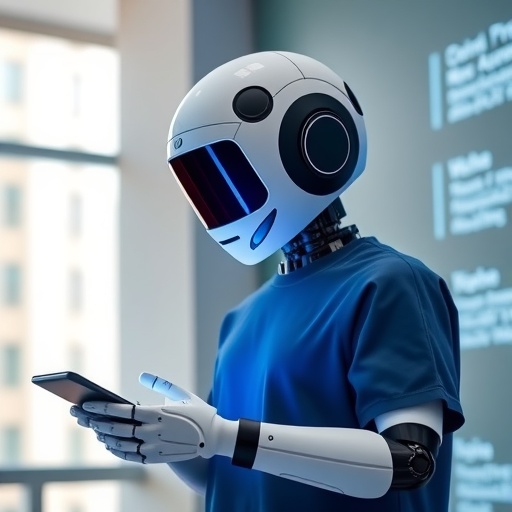
Image Credits: AI Generated
DOI: 10.1186/s12909-025-08535-3
Keywords: AI, chatbots, education, physiotherapy students, acceptance, Turkey


