


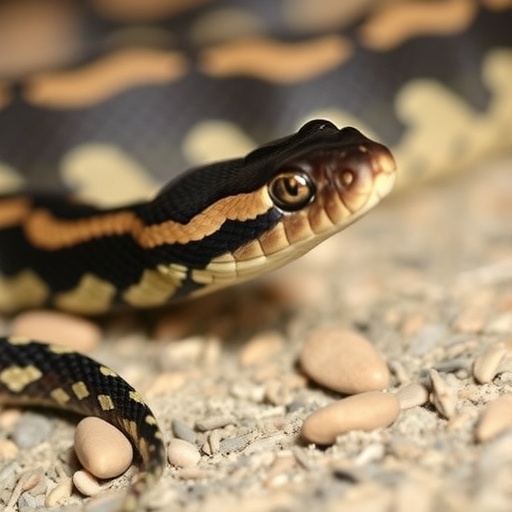
For decades, a pervasive myth has circulated about baby rattlesnakes—that their venomous bites are more dangerous than those of fully grown adults. However, a groundbreaking study from Loma Linda University has decisively debunked this misconception, offering rigorous scientific insights into the biology of venom delivery in rattlesnakes. Published in the reputable journal Toxins, the study meticulously traces the myth’s origins and its sustained presence in media, while providing compelling evidence that adult rattlesnakes pose a significantly higher threat in terms of venom potency and quantity.
The misconception that baby rattlesnakes uncontrollably release all their venom upon biting is not only scientifically inaccurate but also dangerous. This false belief has led to unnecessary panic, mismanagement of snakebite incidents, and sometimes tragic outcomes for both humans and snakes. The study’s lead researcher, William Hayes, a professor of biology at Loma Linda University School of Medicine, emphasizes that while any rattlesnake bite demands immediate medical care, adult snakes deliver far more venom, resulting in substantially more severe symptoms in bite victims.
Venom control is a critical component of rattlesnake defensive and predatory behavior. Contrary to popular lore, baby rattlesnakes possess as much neurophysiological control over venom expulsion as their adult counterparts. This control mechanism involves precise muscular contractions and sensory feedback that dictates venom volume delivered during a bite. Adults, equipped with larger venom glands and longer fangs, naturally inject more venom, which often leads to more pronounced systemic effects. This biological reality is what renders adult bites markedly more hazardous.
Aside from venom quantity, the composition of rattlesnake venom undergoes changes as the snake matures. Age-related variations in enzymatic activity, protein concentration, and toxin subtypes influence the venom’s potency and pathophysiological consequences. Adult rattlesnakes tend to have a more complex venom cocktail designed to immobilize prey and defend against threats more effectively. These biochemical distinctions add a further layer of danger when bitten by an adult compared to a neonate.
The myth’s persistence is particularly intriguing in how it reflects the interplay between science, media, and public perception. Researchers traced its widespread dissemination back to as early as 1967, with California news outlets playing a significant role in perpetuating the narrative through the late 20th century. From 2000 to 2014, the myth transcended regional boundaries, permeating across North America. Despite advances in science communication, outdated narratives proved resilient, fueled partly by inaccurate statements from emergency responders and some healthcare professionals lacking specialized expertise.
This study also provides a critical examination of misinformation sources, highlighting that credible university experts and subject matter specialists generally offered accurate information, contrasting with more sensationalized accounts found in media and frontline responder statements. This differential credibility underscores the importance of science-based education and expert consultation in public health emergencies involving venomous animals.
Alarmingly, the myth’s reach extends well into professional circles. Hayes notes that surveys reveal 73% of emergency responders and health professionals in Southern California believed the myth during data collection. Such a high prevalence of misconception within the medical and rescue communities can lead to overtreatment or insufficient treatment following a rattlesnake bite, complicating patient outcomes and healthcare resource allocation.
The biological and medical findings surrounding rattlesnake venom delivery emphasize the critical role of antivenom administration as the sole effective treatment for envenomation, regardless of snake age. Misguided fears about baby rattlesnakes should not impede prompt medical intervention or influence antihistamine, steroid, or other medication protocols disproportionately. Correct treatment decisions hinge on understanding venom pharmacodynamics and patient symptomatology rather than unscientific assumptions.
From an ecological standpoint, the myth’s persistence carries significant environmental consequences. Rattlesnakes play essential roles as mesopredators, regulating populations of rodents and other small animals, thus maintaining ecological balance. Fear-driven killing of these reptiles disrupts these dynamics and contributes to the alarming decline of rattlesnake populations documented across various U.S. regions. Promoting accurate knowledge about snake behavior and venom characteristics can foster coexistence and conservation.
The researchers also highlight a positive trend beginning around 2015, noting incremental improvements in media reporting accuracy. This shift suggests that targeted science communication and strategic messaging efforts are helping to dispel entrenched myths. The study advocates for ongoing educational campaigns to enhance public understanding, emphasizing evidence-based facts to reduce unwarranted fear and promote safe wildlife interactions.
In conclusion, the Loma Linda University study serves as a vital reminder of the power of misinformation and the importance of rigorous scientific inquiry to counter it. Baby rattlesnakes, while certainly venomous and requiring caution if encountered, do not pose a greater danger than adult rattlesnakes as previously feared. Dispelling myths surrounding venomous snakes is paramount not only for human safety but also for the preservation of biodiversity and ecological health.
By confronting longstanding media-driven myths with robust data and expert analysis, this research underlines a broader lesson for science communicators and healthcare providers alike. Accurate, transparent, and accessible information remains the most potent tool to combat fear and promote wellbeing amid nature’s complex interactions between humans and wildlife. For hikers, healthcare practitioners, and the general public, informed awareness about rattlesnake venom dynamics reduces needless panic and fosters respect for these remarkable reptiles.
As the Loma Linda University study author William Hayes succinctly states, there is no justification for the exaggerated dread of baby rattlesnakes. Embracing sound scientific knowledge helps eradicate harmful stereotypes, ensuring that snakebite management is rational and effective, and that rattlesnake populations continue to thrive in the ecosystems they so vitally support.
Cite Scienmag News
Violet Maxwell. (March 19, 2026). Rattlesnake Reality: Baby Bites No More Dangerous Than Adults, Study Finds. Scienmag. https://scienmag.com/rattlesnake-reality-baby-bites-no-more-dangerous-than-adults-study-finds/
Violet Maxwell. "Rattlesnake Reality: Baby Bites No More Dangerous Than Adults, Study Finds." Scienmag, 19 March 2026, https://scienmag.com/rattlesnake-reality-baby-bites-no-more-dangerous-than-adults-study-finds/. Accessed 3 September 2026.
Violet Maxwell. "Rattlesnake Reality: Baby Bites No More Dangerous Than Adults, Study Finds." Scienmag. March 19, 2026. https://scienmag.com/rattlesnake-reality-baby-bites-no-more-dangerous-than-adults-study-finds/


