


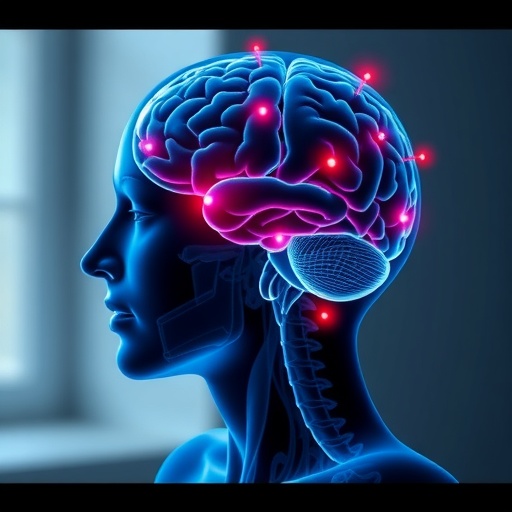
Cancer-related pain remains one of the most prevalent and debilitating symptoms faced by patients worldwide, severely impacting the quality of life despite advances in oncological therapies. Addressing this persistent clinical challenge, researchers have designed a groundbreaking multicenter clinical trial aimed at evaluating the efficacy of non-invasive brain stimulation modalities for pain relief. The trial, named PAINLESS, explores the therapeutic potential of home-administered transcranial electrical stimulation (tES), a cutting-edge technique targeting the neural substrates of pain processing.
Unlike conventional pharmacological approaches that often come with substantial side effects, transcranial electrical stimulation offers a promising alternative by modulating cortical excitability and neural network activity through low-intensity electrical currents. The PAINLESS study protocol uniquely combines two distinct forms of tES: transcranial direct current stimulation (tDCS), which delivers a constant current to excite neuronal populations, and transcranial alternating current stimulation (tACS), which applies rhythmic electrical oscillations purported to entrain brain rhythms involved in pain regulation.
This expansive randomized controlled trial will enroll 450 participants diagnosed with persistent cancer-related pain, spanning an age range from 18 to 75 years. Participants will be randomly allocated in a 2:2:1 ratio to receive either active tDCS targeting the primary motor cortex, active tACS targeting the dorsolateral prefrontal cortex at 10 Hz, or sham stimulation, which serves as a placebo control to rigorously assess efficacy beyond psychological expectancy effects.
The treatments will be administered in the comfort of the patients’ homes over 15 consecutive days, facilitating adherence and accessibility in this vulnerable population. Daily pain intensity will be meticulously recorded using a numerical rating scale (NRS), extending across 15 days pre-treatment, the treatment period itself, and 15 days post-intervention. This comprehensive temporal assessment aims to elucidate both immediate and sustained analgesic effects.
Beyond the primary endpoint of subjective pain intensity, secondary clinical outcomes include analgesic medication consumption, as well as the evaluation of other cancer-associated symptoms and overall quality of life measures. These parallel assessments acknowledge the multifactorial nature of cancer pain and its systemic repercussions, providing a holistic view of treatment impact.
A remarkable strength of the PAINLESS protocol lies in its deep exploration of mechanistic underpinnings. Researchers will employ advanced neurophysiological tools, namely electroencephalography (EEG), to capture cortical oscillatory dynamics, and quantitative sensory testing (QST) paradigms to probe somatosensory processing and endogenous pain modulatory mechanisms. This dual approach aims to unravel how tDCS and tACS modulate ascending nociceptive input and descending inhibitory pathways at a neurobiological level.
The investigation is triple-blinded, ensuring that participants, clinicians administering the assessments, and data analysts remain unaware of group assignments, thereby enhancing the validity and reliability of results. The multicenter nature of the study fosters diverse patient recruitment and enhances generalizability across different healthcare settings.
If successful, this trial could herald a paradigm shift in cancer pain management by validating a safe, non-invasive, and patient-empowering therapeutic tool that circumvents many limitations inherent to drug-based analgesia. The home-based protocol is particularly suited to reduce hospital visits and associated burdens, a significant consideration for immunocompromised or mobility-restricted populations.
From a neuroscience perspective, identifying EEG and QST biomarkers predictive of treatment response could pave the way for precision medicine approaches, enabling clinicians to tailor neuromodulation strategies to individual patient neurophysiological profiles. Such personalization may maximize analgesic efficacy while minimizing unnecessary interventions.
The PAINLESS study aligns with burgeoning evidence supporting cortical stimulation techniques in chronic pain syndromes but is distinguished by its rigorous sham-controlled design, large sample size, and focus on an oncological cohort—a demographic historically underrepresented in neuromodulation research. Moreover, the study’s emphasis on understanding mechanistic pathways challenges existing paradigms, moving the field closer to elucidating causal relationships between brain activity modulation and subjective pain relief.
The implications extend beyond cancer, as insights garnered may inform treatments for other chronic pain conditions characterized by dysregulated central pain processing. This convergence of clinical trial innovation and neuroscience discovery renders the PAINLESS initiative a beacon of hope in a domain where effective pain control remains an unmet need.
Completion of this trial, scheduled according to the registration in the German Clinical Trials Register, is eagerly anticipated by clinicians, neuroscientists, and patient advocacy groups alike. It represents a feasible, novel approach with the potential to enhance the therapeutic arsenal against cancer pain—improving daily functioning and well-being for millions affected globally.
Continued research will be essential to validate findings, optimize stimulation parameters, and explore long-term outcomes. Should the PAINLESS protocol demonstrate significant analgesic benefits with accompanying mechanistic insights, it could catalyze widespread adoption of home-based neuromodulation, changing the landscape of supportive oncology care forever.
In conclusion, the PAINLESS study epitomizes the intersection of technological innovation and patient-centered care, targeting the neural circuitry of pain with a sophisticated yet accessible methodology. Its results could revolutionize pain management paradigms and set new standards for integrating neuromodulatory treatments into routine oncology practice.
Cite Scienmag News
Nathaniel Bowman. (November 3, 2025). Triple-Blind Trial Tests Home Brain Stimulation for Cancer Pain. Scienmag. https://scienmag.com/triple-blind-trial-tests-home-brain-stimulation-for-cancer-pain/
Nathaniel Bowman. "Triple-Blind Trial Tests Home Brain Stimulation for Cancer Pain." Scienmag, 3 November 2025, https://scienmag.com/triple-blind-trial-tests-home-brain-stimulation-for-cancer-pain/. Accessed 5 September 2026.
Nathaniel Bowman. "Triple-Blind Trial Tests Home Brain Stimulation for Cancer Pain." Scienmag. November 3, 2025. https://scienmag.com/triple-blind-trial-tests-home-brain-stimulation-for-cancer-pain/


