


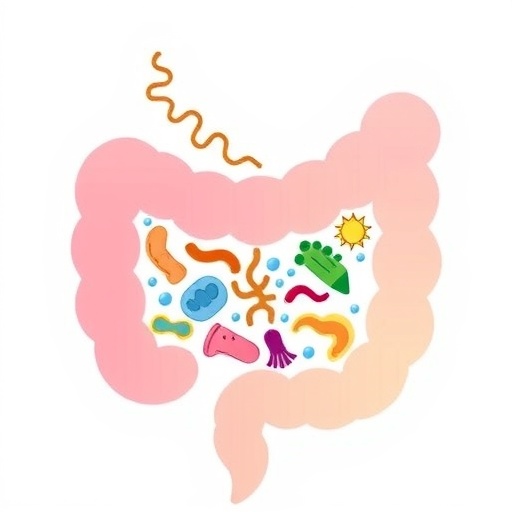
For decades, intensive care units have been battlegrounds against some of medicine’s most formidable adversaries: bacteria that shrug off nearly every antibiotic in the arsenal. Now, a new systematic review and meta-analysis suggests that the key to understanding which patients fall victim to these multidrug-resistant organisms may lie not in the pathogens themselves, but in the ecological state of the trillions of microbes already living in the patient’s gut. The study, published in the journal MicrobiologyOpen, is the first to systematically synthesize evidence linking intestinal microbiota disruption—known as dysbiosis—with colonization by multidrug-resistant organisms, or MDROs, in critically ill patients.
The research team, working under a protocol preregistered on the Open Science Framework, combed through three major scientific databases—PubMed, Web of Science, and Scopus—covering all literature published up to September 2025. From an initial pool of 3,003 records, only 11 studies involving a combined 2,823 patients, all published between 2019 and 2025, met the rigorous inclusion criteria. To qualify, studies had to examine adult ICU patients screened for multidrug-resistant colonization through rectal swabs or stool samples, and they had to have analyzed the intestinal microbiota using molecular sequencing techniques rather than older culture-based methods. Studies of neonatal patients, those screening only for methicillin-resistant Staphylococcus aureus, and non-original research such as editorials and reviews were excluded.
The picture that emerged from the pooled data is striking in its consistency. Among colonized patients, the most frequently detected resistant organisms were vancomycin-resistant Enterococci, which accounted for 58.2 percent of cases, followed by carbapenem-resistant Enterobacterales at 21.6 percent and extended-spectrum β-lactamase–producing Enterobacterales at 13.4 percent. All eleven studies relied on 16S ribosomal RNA gene sequencing, the workhorse technology of microbiome research, which amplifies and reads a conserved genetic region present in all bacteria to identify which taxa are present and in what proportions.
The most consequential finding concerns alpha-diversity, the measure of microbial variety within a single individual’s gut. Colonized patients showed significantly lower diversity than their non-colonized counterparts, with a mean difference in the Shannon index—one of the most widely used information-based diversity metrics—of −1.18, with a 95 percent confidence interval of −1.84 to −0.52 and a p-value below 0.001. In practical terms, the guts of patients harboring resistant organisms were measurably less varied microbial ecosystems. The researchers, adopting a recently proposed standardized framework that groups alpha-diversity metrics into four categories—information, dominance/evenness, richness, and phylogenetic diversity—found that colonized patients had lower values across dominance/evenness and richness measures as well. In a healthy gut, a diverse microbial community acts as a defensive buffer; when that diversity collapses, opportunistic and resistant strains face far less competition for resources and physical niches.
The compositional analysis told a complementary story. At the phylum level, colonized patients showed a significant expansion of Pseudomonadota, a large bacterial phylum that includes many notorious hospital-associated pathogens. At the family level, Enterobacteriaceae—the group that includes Escherichia coli, Klebsiella pneumoniae, and other Gram-negative organisms frequently implicated in resistant infections—were significantly more abundant in colonized patients. This shift away from a diverse, anaerobe-rich community toward one dominated by facultative, enteric bacteria is a hallmark of dysbiosis and appears to create conditions favorable for resistant strains to establish themselves.
The clinical stakes are considerable. Colonization with multidrug-resistant organisms is associated with an overall incidence of secondary infections of roughly 22 percent, and it can begin as early as four days after ICU admission, with the relationship between length of ICU stay and colonization approaching linearity. Critically ill patients are uniquely vulnerable to this process because the very therapies meant to keep them alive—broad-spectrum antibiotics, vasoactive drugs, artificial nutrition, renal replacement therapy, and mechanical ventilation—simultaneously disrupt the gut ecosystem and push commensal, opportunistic bacteria toward pathogenic behavior. The gut microbiota normally maintains what ecologists call colonization resistance through microbial diversity, competition for resources, production of metabolites such as short-chain fatty acids, and maintenance of the intestinal barrier. Dysbiosis erodes each of these defenses in turn.
The methodological rigor of the new analysis deserves attention in an era when microbiome studies have sometimes been criticized for small samples and inconsistent metrics. The authors followed the 2020 PRISMA guidelines for systematic reviews, screened records independently in two stages with two reviewers, and resolved disagreements through discussion with senior adjudication. When diversity statistics were reported only graphically, they extracted the numbers using digitization software; when means and standard deviations were absent, they calculated them from medians and interquartile ranges. Quantitative pooling was performed with random-effects meta-analysis, an approach that accounts for the statistical heterogeneity expected when combining studies from different ICUs, countries, and patient populations.
The researchers also conducted subgroup analyses for patients colonized specifically with vancomycin-resistant Enterococci, extended-spectrum β-lactamase producers, and carbapenem-resistant Enterobacterales, the three organisms that dominate the resistant-colonization landscape. By integrating evidence across these groups, the review provides the first unified view of how gut ecology differs between colonized and non-colonized critically ill patients, rather than treating each resistant organism as a separate puzzle.
Despite the strength and consistency of the association, the authors are careful to emphasize its limits. The included studies are observational, and the current evidence is “limited and largely associational.” A statistical link between low diversity and colonization does not prove causation in either direction. It is possible that dysbiosis opens the door to resistant organisms; it is equally possible that the same antibiotics and illness severity that drive colonization also drive the loss of diversity, or that pre-existing dysbiosis and colonization are both downstream consequences of a third factor. Disentangling these possibilities will require longitudinal studies with repeated sampling, ideally beginning before ICU admission, and possibly interventional trials.
Even so, the practical implications are tantalizing. If dysbiosis reliably precedes or accompanies colonization, then a simple sequencing-based readout of a patient’s gut microbiota—perhaps a Shannon index calculated from a rectal swab within hours of admission—could serve as an early-warning system, identifying patients at heightened risk before resistant organisms can be detected by conventional screening or before they cause invasive infection. This would complement existing surveillance strategies, whose variable effectiveness the authors note has frustrated infection-control efforts worldwide. Beyond prediction, a confirmed causal role for dysbiosis would open the door to microbiota-targeted prevention strategies, from narrower antibiotic prescribing to live biotherapeutics designed to restore colonization resistance. The global burden projections are sobering: models suggest that morbidity, mortality, and healthcare costs associated with multidrug-resistant infections will rise substantially worldwide by 2050, making any new preventive lever urgently welcome.
What makes the finding compelling across such heterogeneous studies is its ecological plausibility. The gut is, in effect, a reservoir and incubator for the bacteria that ultimately cause hospital-acquired infections, and the Pseudomonadota and Enterobacteriaceae expansions documented here represent exactly the taxa most likely to carry resistance genes into the bloodstream. A diverse community, rich in obligate anaerobes producing short-chain fatty acids, physically and chemically crowds out these invaders; a depauperate community invites them. The review thus reframes antibiotic resistance in the ICU not merely as a problem of pathogen virulence or drug overuse, but as a problem of ecosystem integrity.
The road forward, the authors conclude, demands studies designed to determine whether early detection of dysbiosis can genuinely enhance the early prediction and diagnosis of MDRO colonization, and whether microbiota-based interventions can be deployed in a targeted fashion to prevent infections before they begin. For now, the message from nearly 3,000 ICU patients is unambiguous: when the gut’s microbial diversity collapses, the most dangerous bacteria in the hospital find the door left open.
Cite Scienmag News
Morgan Morrow. (September 5, 2026). Gut Microbiome Changes Tied to Drug-Resistant Bacteria in ICU Patients. Scienmag. https://scienmag.com/gut-microbiome-changes-tied-to-drug-resistant-bacteria-in-icu-patients/
Morgan Morrow. "Gut Microbiome Changes Tied to Drug-Resistant Bacteria in ICU Patients." Scienmag, 5 September 2026, https://scienmag.com/gut-microbiome-changes-tied-to-drug-resistant-bacteria-in-icu-patients/. Accessed 5 September 2026.
Morgan Morrow. "Gut Microbiome Changes Tied to Drug-Resistant Bacteria in ICU Patients." Scienmag. September 5, 2026. https://scienmag.com/gut-microbiome-changes-tied-to-drug-resistant-bacteria-in-icu-patients/


