


Fungi quietly underpin modern life, from producing medicines and shaping food systems to enabling industrial material processing. Yet their genetic blueprints remain far less understood than their biological impact suggests. Even among the best-studied fungal species, scientists still lack functional annotations for the majority of genes, largely because gene-by-gene investigation has been slow and technically demanding.
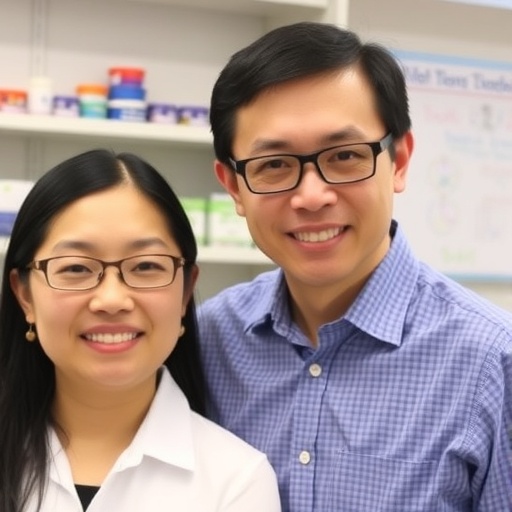
This momentum gap is now getting targeted support. This spring, the U.S. Department of War (DOW, formerly the Department of Defense) funded University of Tennessee, Knoxville researchers Cong Trinh and co-principal investigator Seunghyun Ryu to build new tools for high-throughput genetic analysis in fungi. The effort is designed to scale functional discovery beyond the traditional bottlenecks that have limited fungal genomics.
The grant concentrates on Candida species, which can pose operational risks by contaminating and degrading DOW-relevant systems. Such systems include aircraft fuel infrastructure, vehicles, electronics, and protective coatings. In these environments, fungi can persist and spread, turning microbial management into a recurring reliability challenge.
A key scientific obstacle is fungal genetic diversity. Many fungi exhibit multiple gene copies—polyploidy—creating a flexible genetic landscape that can respond rapidly to stress. This versatility can translate into quicker adaptation to antifungal agents and other control strategies, undermining long-term mitigation efforts.
Under the funded program, Trinh and Ryu will develop synthetic biology–based approaches to rapidly characterize large sets of fungal genes. Rather than screening indiscriminately, the project will prioritize genes linked to mitochondrial function.
Mitochondria are central to energy production and also influence how cells regulate stress responses. Because these organelle-linked pathways can affect tolerance to chemicals, mapping mitochondrial gene variation may reveal why some fungal strains withstand hostile conditions better than others.
The researchers aim to establish a clearer relationship between genetic variation and stress resistance. The end goal is twofold: to generate actionable insights for reducing fungal contamination in Army-relevant settings and to deliver broadly useful experimental platforms for fungal biology and biotechnology.
Cite Scienmag News
Juliet Wilcox. (July 16, 2026). Trinh and Ryu Win DOW Funding for Fungal Biotech Research. Scienmag. https://scienmag.com/trinh-and-ryu-win-dow-funding-for-fungal-biotech-research/
Juliet Wilcox. "Trinh and Ryu Win DOW Funding for Fungal Biotech Research." Scienmag, 16 July 2026, https://scienmag.com/trinh-and-ryu-win-dow-funding-for-fungal-biotech-research/. Accessed 4 September 2026.
Juliet Wilcox. "Trinh and Ryu Win DOW Funding for Fungal Biotech Research." Scienmag. July 16, 2026. https://scienmag.com/trinh-and-ryu-win-dow-funding-for-fungal-biotech-research/


