

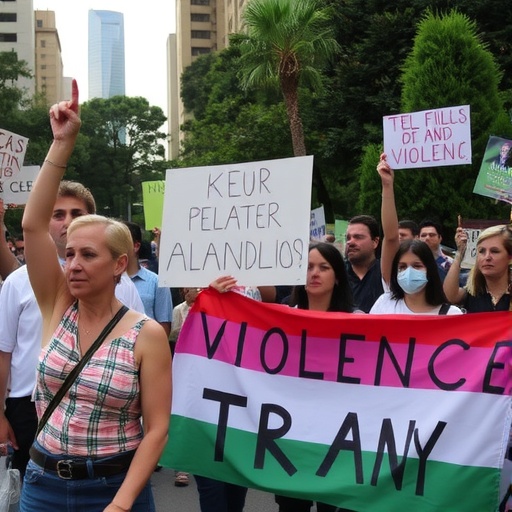
In a groundbreaking qualitative study poised to reshape healthcare discourse, researchers García-Estrada, Perfors-Barradas, and Pelaez-Ballestas unveil the pervasive impact of stigma and structural violence experienced by trans individuals navigating their gender transitions within Mexico City’s healthcare system. Published in the International Journal for Equity in Health in 2025, this research delves deeply into the intersections of social marginalization and systemic barriers that significantly affect health outcomes for transgender communities.
Despite growing global recognition of transgender rights, healthcare infrastructures frequently remain unprepared or unwilling to provide affirming and equitable care. This study utilizes comprehensive qualitative methodologies, including in-depth interviews and participant observation, to explore the lived experiences of trans persons during critical medical transition processes. These narratives expose a landscape marked by implicit bias, discriminatory policies, and institutional neglect embedded within the healthcare framework.
Structural violence—the systematic ways in which social structures harm or disadvantage individuals—emerges as a salient theme throughout the research. For transgender patients, structural violence manifests as bureaucratic obstacles, denial of essential treatments, and disregard for gender-affirming care protocols. Concretely, this means many face prolonged suffering and even physical harm, not just from social stigma but also from the very systems designed to protect and heal.
The study advances an important conceptual shift by linking micro-level stigma with macro-level institutional practices. Personal encounters of discrimination within clinics and hospitals intertwine with larger patterns of oppression codified in health policies and professional guidelines. This duality fosters an environment where trans patients are routinely subjected to erasure, delegitimization, and psychosocial stress, severely curtailing their access to competent healthcare.
Within Mexico City specifically, the research investigates how sociocultural attitudes toward gender diversity intersect with healthcare delivery. Although Mexico City is relatively progressive compared to other regions, entrenched prejudices persist among healthcare providers, many lacking adequate training in transgender health needs. This deficit leads to misgendering, invasive questioning, and refusal of care—all acts that reinforce stigma at the point of medical contact.
Moreover, the study highlights how economic and gender inequities compound these issues, disproportionately affecting trans individuals of lower socioeconomic status. Marginalized populations often encounter more severe barriers, including financial constraints, lack of insurance coverage for gender-affirming procedures, and limited access to specialized services. These factors not only delay transition-related care but also exacerbate mental health struggles, creating a cascade of adverse health effects.
Healthcare practitioners’ attitudes play a pivotal role in either perpetuating or alleviating these systemic issues. The researchers document instances where medical personnel, despite institutional shortcomings, exercise empathy and advocacy, thereby illustrating pathways to improved care models. However, such positive engagements remain exceptions rather than norms, underscoring the urgent need for comprehensive provider education and policy reform.
This investigation employs intersectionality as a theoretical framework to understand how multiple identities—gender, class, race, and sexuality—converge to shape healthcare experiences. Trans individuals of indigenous descent, for example, face compounded discrimination rooted in historical and cultural marginalization, further complicating their interactions with healthcare services in Mexico City. By applying this lens, the study broadens the scope of equity considerations beyond gender alone.
One of the study’s critical contributions is its call for systemic transformation. The authors argue that eliminating stigma and structural violence requires more than individual attitudinal change; it demands institutional accountability, inclusive policy-making, and restructuring of healthcare practices to center transgender voices. This transformative approach emphasizes co-creation of health protocols with trans communities to ensure relevance and respect.
In particular, the research underscores the necessity to integrate comprehensive transgender health modules in medical education curricula. Training programs must equip future healthcare professionals with cultural competence, clinical knowledge regarding hormone therapies and surgical procedures, and awareness of psychosocial dynamics affecting transgender patients. Enhanced curricula can reduce ignorance-driven mistreatment and foster affirming care environments.
The study also critiques existing health infrastructure limitations, such as insufficiency of clinics specializing in transgender care and bureaucratic labyrinths that hinder timely access to treatments. It advocates for streamlined pathways and creation of dedicated multidisciplinary centers that address medical, psychological, and social determinants of health in a unified manner. These specialized hubs would mitigate fragmentation of care common in current systems.
Importantly, the researchers document the psychological toll exacted by stigmatizing healthcare encounters, including anxiety, depression, and trauma. The cumulative effect of such experiences not only jeopardizes individual well-being but also dissuades trans persons from seeking necessary medical interventions. As a result, untreated health conditions escalate, contributing to lower quality of life and increased morbidity within the community.
The study’s methodological rigor, centered on participant voices, challenges prevailing deficit-based narratives about transgender health. Instead, it foregrounds resilience, agency, and community-led strategies employed by trans individuals to navigate hostile systems. Such perspectives are vital for developing policies that do not merely protect but empower transgender populations in healthcare settings.
In conclusion, the research by García-Estrada and colleagues presents a compelling indictment of current healthcare practices in Mexico City as they pertain to transgender transitions. It lays bare the intertwined stigmas and structural barriers that compromise equitable care and urges stakeholders—from policymakers to practitioners—to embrace radical reforms. Through highlighting lived realities, the study catalyzes a global conversation on dismantling structural violence and fostering truly inclusive health ecosystems.
Future scholarship inspired by this work might explore comparative analyses across different cultural and national contexts to identify universal and localized dimensions of stigma and structural violence. Quantitative research could further elucidate epidemiological impacts, while intervention studies might test efficacy of tailored training programs and policy initiatives. Such endeavors will be crucial in driving systemic change and improving health equity for transgender individuals worldwide.
Subject of Research:
The lived experiences of stigma and structural violence encountered by transgender individuals during gender transition within Mexico City’s healthcare system.
Article Title:
Stigma and structural violence in health care during trans People’s transitions in México City: a qualitative study.
Article References:
García-Estrada, S., Perfors-Barradas, G. & Pelaez-Ballestas, I. Stigma and structural violence in health care during trans People’s transitions in México City: a qualitative study.
Int J Equity Health (2025). https://doi.org/10.1186/s12939-025-02724-8
Image Credits: AI Generated


