


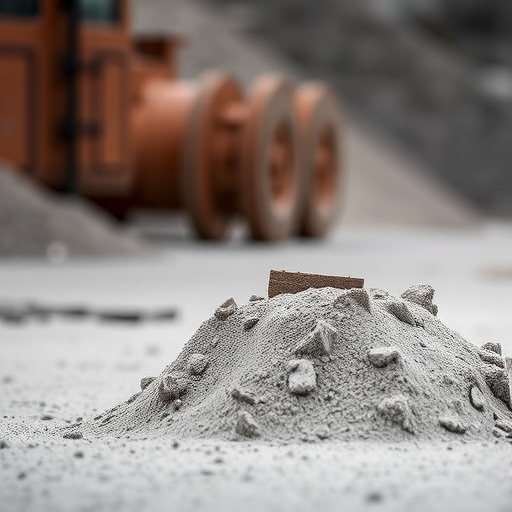
In the rapidly evolving field of environmental science, the critical assessment of mining byproducts is gaining traction, particularly concerning the risks associated with silica sand tailings. A recent case study conducted in the Shankargarh area of Prayagraj, India, sheds light on the significant environmental and health hazards posed by these materials. Researchers S. Dwivedi, M. Yadav, and A.K. Singh carried out an extensive investigation into the toxicity of silica sand tailings, which has implications for both local ecosystems and human populations. This research highlights the pressing need for more robust environmental monitoring and regulation concerning mining operations, especially in resource-rich regions.
Silica sand is widely utilized across various industries, including construction, glass manufacturing, and industrial processes. However, the extraction of silica sand often results in substantial amounts of tailings—unwanted residues that contain hazardous constituents. The study conducted by Dwivedi and colleagues meticulously evaluated the chemical composition and potential toxicological effects of these tailings, revealing alarming findings that underscore the urgency for intervention in affected regions like Shankargarh.
The investigation began with a thorough sampling process where the researchers collected silica sand tailings from strategic locations in the Shankargarh area. Each sample was analyzed using advanced chemical techniques to test for the presence of heavy metals and other toxic substances. The findings were eye-opening: many samples contained concentrations of heavy metals that exceeded safe limits, posing serious threats not only to soil health but also to surrounding water bodies.
One of the most significant aspects of this research is its comprehensive evaluation of the bioavailability of toxic elements in the silica sand tailings. Bioavailability refers to the degree to which harmful substances can be absorbed by living organisms. The results indicated that certain heavy metals, notably lead and arsenic, were highly bioavailable, raising alarm bells regarding their potential accumulation in the food chain. This accumulation could have devastating effects not only on local flora and fauna but also on the health of communities relying on agriculture and local water sources.
The potential pathways through which these toxic metals could enter human bodies are concerning. Water contaminated with heavy metals from tailings can infiltrate local groundwater systems, affecting drinking water quality. Additionally, agricultural practices in the vicinity may inadvertently contribute to the uptake of these toxins through crops that absorb contaminated soil or water. The implications for food security and public health cannot be overstated, particularly in regions already grappling with socioeconomic challenges.
Given the public health implications, the researchers outlined several recommendations for local authorities and regulatory bodies. The study advocates for the implementation of stringent monitoring protocols around mining sites to ensure that hazardous materials are appropriately managed. Furthermore, the need for community education regarding the risks associated with silica sand tailings is critical. Empowering local populations with knowledge can foster proactive measures that mitigate exposure to toxic substances.
Another essential highlight of this study is the articulation of environmental justice issues in relation to mining operations. Historically, marginalized communities often bear the brunt of environmental degradation, including contamination from mining activities. The Shankargarh area, predominantly inhabited by economically disadvantaged groups, epitomizes this injustice. Advocacy for equitable policies that safeguard both the environment and public health must be a priority for governments and organizations involved in mining and environmental management.
In conclusion, the assessment of toxicity in silica sand tailings from Prayagraj represents a critical lens through which we can view the intersection of industry and public health. As economic pressures drive the demand for silica sand, the environmental consequences of its extraction cannot be overlooked. This case study serves as a wake-up call for both researchers and policymakers to prioritize sustainable mining practices that protect the environment and the health of local communities. It underscores the urgent need for comprehensive studies like this one to guide responsible resource management, ensuring that the benefits of mining do not come at the cost of environmental and human health.
In the context of ongoing discussions around climate change and environmental stewardship, the findings from this research should catalyze broader conversations about sustainable industrial practices. The potential for integrating ecological considerations into mining legislation represents a progressive step towards preserving the health of future generations. As we continue to grapple with the repercussions of industrialization, this case study of silica sand tailings stands as a poignant reminder of the delicate balance required in managing natural resources.
Astute policymakers must recognize the intersection of environmental science, public health, and socioeconomic equity in shaping policy frameworks. As mining activities surge in regions like Prayagraj, concerted efforts to address the ramifications of their byproducts are essential. Only through a holistic approach that includes rigorous scientific research, community engagement, and effective regulatory frameworks can we hope to mitigate the environmental and health impacts posed by silica sand tailings and similar industrial residues.
Dwivedi, S., Yadav, M., Singh, A.K. et al. Assessment of toxicity in silica sand tailings—a case study of Shankargarh area of Prayagraj, India.
Environ Monit Assess 197, 1116 (2025). https://doi.org/10.1007/s10661-025-14575-5
Cite Scienmag News
Violet Maxwell. (September 16, 2025). Toxicity Evaluation of Silica Sand Tailings in India. Scienmag. https://scienmag.com/toxicity-evaluation-of-silica-sand-tailings-in-india/
Violet Maxwell. "Toxicity Evaluation of Silica Sand Tailings in India." Scienmag, 16 September 2025, https://scienmag.com/toxicity-evaluation-of-silica-sand-tailings-in-india/. Accessed 3 September 2026.
Violet Maxwell. "Toxicity Evaluation of Silica Sand Tailings in India." Scienmag. September 16, 2025. https://scienmag.com/toxicity-evaluation-of-silica-sand-tailings-in-india/


